



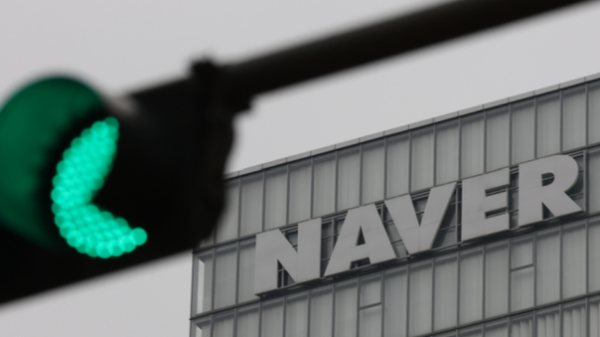




































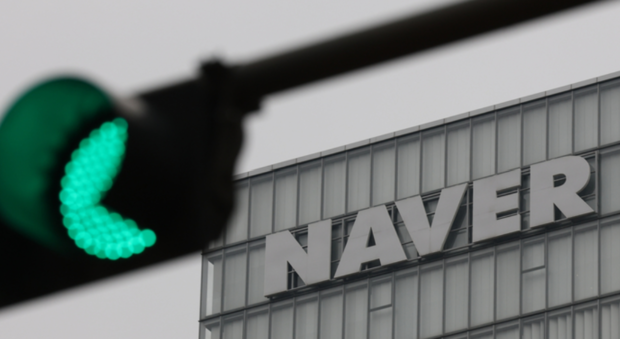
Naver is expanding its medical artificial intelligence (AI) development team as part of a strategic move into healthcare, positioning the sector as a key driver for future growth. This initiative follows the unveiling of a medical AI model last year, coupled with a series of acquisitions and investments in healthcare companies, indicating a robust commitment to healthcare commercialization.
According to IT industry sources on October 5, Naver’s Applied AI group has been transferred from Naver Cloud to its parent company, Naver, through an organizational restructuring. This group has spearheaded Naver’s medical AI developments, including the launch of “Kmed.ai,” a medical large language model (LLM) introduced in November of the previous year. The unit will now operate under the Tech Business division, which is responsible for overseeing Naver’s healthcare operations. The company is also actively recruiting AI agent engineers and backend developers specializing in healthcare AI services.
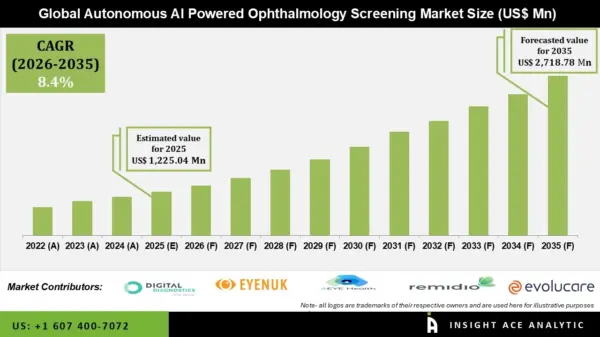
This structural change and hiring initiative reflect Naver’s aggressive investment approach within the healthcare landscape. Global market research firm Straits Research projects that the worldwide healthcare AI market will expand from $19.67 billion in 2023 to $183.85 billion by 2032, driven by aging populations and advancements in AI technology. Naver aims to leverage medical AI as a growth engine, succeeding its traditional search and commerce businesses, by establishing direct CEO oversight for the Tech Business division in May of last year.
In the latter half of last year, Naver invested in several healthcare startups, including clinical trial data platform J&P Medi and body composition analysis firm InBody, while also acquiring cloud electronic medical records company Senacle in November. Kmed.ai, co-developed with Seoul National University Hospital, garnered attention after achieving an average score of 96.4 on the Korean Medical Licensing Examination last year, highlighting its potential in the medical field.
With the integration of its healthcare business division and research organization, Naver is expected to explore various business opportunities utilizing medical AI agents. Plans are underway to develop AI agents designed for medical professionals to aid in clinical decision-making and to summarize or search through medical documents. Additionally, there will be AI agents focused on general consumers and patients. The “Naver Healthcare” platform, launched in October of last year, may play a crucial role in this endeavor, currently offering features such as predicted diagnoses based on user symptoms and the ability to schedule hospital appointments.
A spokesperson for Naver commented on the restructuring, stating, “The Applied AI group applies AI technology to vertical businesses in the healthcare sector,” and noted that the transition from Naver Cloud to Naver was part of routine organizational adjustments.
Industry observers suggest that Naver is laying the groundwork to secure an early foothold in the medical AI market. An industry source remarked, “Naver is accelerating commercialization based on various data including body composition and clinical data,” adding that ensuring compliance with personal information protection laws and the Ministry of Food and Drug Safety guidelines will be essential during this process.
As Naver intensifies its focus on the healthcare AI segment, the company’s efforts could reshape the landscape of medical technology in South Korea and beyond, further blurring the lines between technology and healthcare services. The commitment to integrate AI into healthcare not only underscores the potential for enhanced medical services but also highlights the broader trend of tech companies increasingly venturing into healthcare solutions.
See also Bank of America Warns of Wage Concerns Amid AI Spending Surge
 OpenAI Restructures Amid Record Losses, Eyes 2030 Vision
 Global Spending on AI Data Centers Surpasses Oil Investments in 2025
 Rigetti CEO Signals Caution with $11 Million Stock Sale Amid Quantum Surge
 Investors Must Adapt to New Multipolar World Dynamics