






















































As the holiday season approaches, many consumers are facing new challenges when it comes to returning gifts. With **72% of large retailers** implementing at least one return fee option this year, shoppers are urged to navigate these changes carefully. Retailers are increasingly charging fees for mail-in returns as a strategy to combat return policy abuse and fraud, which includes practices like “wardrobing,” where items are purchased for short-term use.
Stephanie Carls, a retail insights expert at **RetailMeNot**, explained that these fees are a response to the strain that returns place on customer support and retailer margins. The **National Retail Federation** (NRF) and **Happy Returns**, a UPS-owned company, estimate that **$849.9 billion** in merchandise will be returned this year, accounting for **15.8%** of total annual sales. Approximately **9%** of these returns are believed to be fraudulent, prompting retailers to rethink their return policies.
Major retailers such as **Madewell**, **Macy’s**, and **Best Buy** have introduced specific fees for mail-in returns. For example, Madewell has a **$7.50** return shipping charge for most customers, while Macy’s charges **$9.99** for shipped returns unless customers are part of its Star Rewards loyalty program. Off-price retailers like **T.J. Maxx** and **Marshalls** have also imposed a **$11.99** fee for mail returns. Best Buy takes a more stringent approach, charging up to **$45** for restocking opened packages of certain devices.
While these fees aim to reduce fraudulent returns and curb operational costs associated with processing returns, they risk alienating customers. According to the NRF report, about **57%** of surveyed shoppers indicated they would reconsider shopping with a retailer that imposed return fees, a marked increase from **40%** in 2024. Experts warn that as retailers grapple with rising shipping expenses and the impacts of inflation, they must strike a balance between protecting their margins and maintaining customer loyalty.
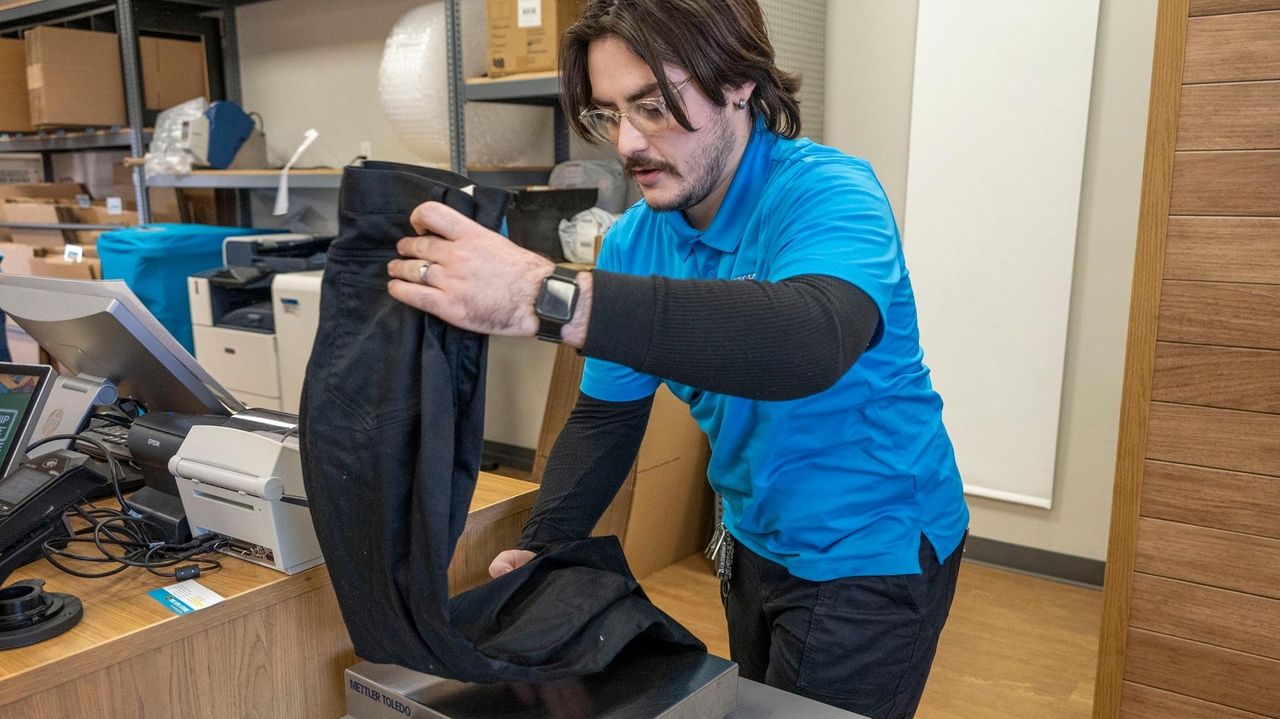
In response to the growing issue of return fraud, companies like Happy Returns are leveraging artificial intelligence tools. These tools assess return risk by analyzing various factors, such as whether a shopper’s email address is linked to multiple accounts. Happy Returns facilitates box-free, label-free returns for numerous retailers, enabling customers to return items through partnered locations like **UPS**, **Staples**, and **Ulta Beauty**. Customers receive a QR code for returns, which is scanned by store employees to process the return.
Happy Returns CEO David Sobie elaborated on the importance of quick processing for customer satisfaction, noting that approved returns typically lead to immediate refunds. However, returns flagged as suspicious may face delays for further review. Sobie highlighted that successful return management not only reduces losses but can also enhance customer loyalty, emphasizing that convenience and speed are paramount for today’s consumers.
In New York, the Department of State has reminded consumers of their rights regarding merchandise returns. Retailers are required by state law to display their return policies prominently. Online retailers must also ensure that their return policies are accessible before checkout. While retailers are not mandated to accept returns, those that do not must provide clear notices to customers prior to the sale. If no policy is posted, retailers must accept returns of unused and undamaged items within **30 days**, given that proof of purchase is provided.
As the holiday shopping season continues, retailers are urged to navigate the complexities of return policies delicately. The ongoing challenge remains how to balance the need for stringent return policies with the expectations of consumers who prefer seamless, hassle-free return experiences. Failure to meet these expectations could lead to a significant shift in customer loyalty as shoppers seek out retailers that prioritize convenience and customer service.
See also Geoffrey Hinton Warns AI May Replace Many Jobs by 2026, Reshaping Labor Market
 Global Expert Adnan Bin-Mahfouz Reveals AI-Driven Business Strategies for Sustainable Growth
 AI Budgets Surge: Enterprises Boost LLM Spending by 75% Amid B2B Growth Shift
 BriefCatch Secures $6M in Series A to Enhance AI Legal Writing Platform
 TestGrid Achieves 2025 Global Recognition Award for CoTester AI Testing Platform