








































As cyberattacks continue to disrupt clinical services and care delivery, healthcare cyber resilience has emerged as a critical priority within the industry. Leaders are increasingly viewing cyber preparedness as an enterprise-wide capability essential for safeguarding operations and ensuring patient safety. The urgency for enhanced security measures has intensified as attacks have escalated in both frequency and impact, highlighting a pressing need for healthcare organizations to elevate their defenses against cyber threats.
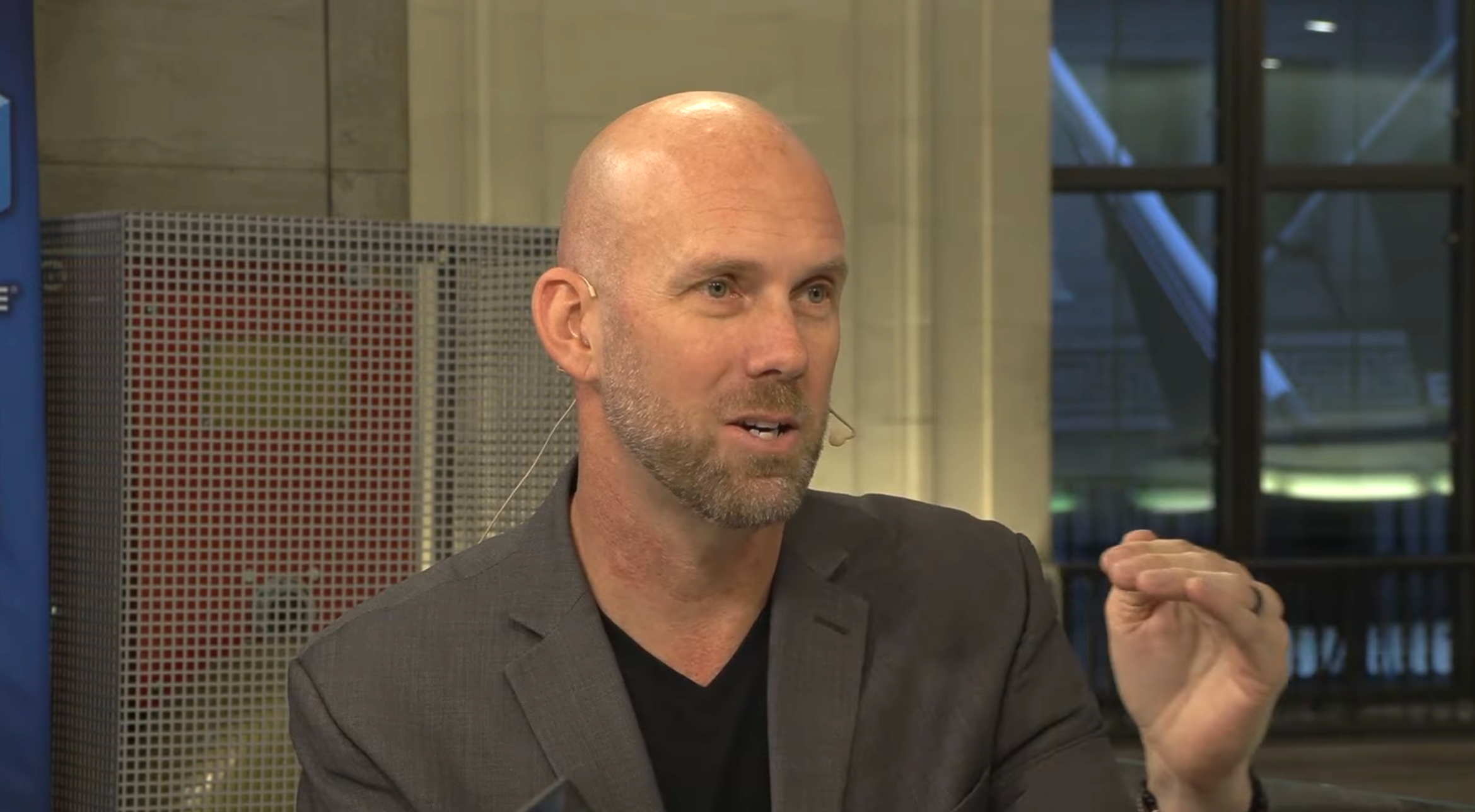
According to Josh Howell, chief technology officer at Rubrik Inc., the ramifications of these cyber incidents extend beyond immediate financial losses. “In terms of the impact to employees, their families, it’s not unusual to see a lot of staff attrition after one of these events,” Howell stated. The lengthy recovery process, often spanning months, can lead to widespread dissatisfaction among employees, who may be reluctant to endure such turmoil again.
Howell articulated these concerns in a recent interview with John Furrier on theCUBE’s “MedTech Unplugged: The Future of AI in Healthcare & Life Sciences.” The discussion underscored the importance of healthcare cyber resilience in light of rising threats and explored the transformative role of artificial intelligence (AI) in healthcare operations.
In navigating the complexities of modern technology, Howell emphasized that security must be integrated into the development process from the outset. “Information technology and security must be involved from the beginning, because security can’t be an afterthought,” he remarked. This proactive approach is essential, particularly as organizations grapple with the challenges posed by evolving AI systems and the need for comprehensive visibility into their data.
Rubrik Agent Cloud exemplifies a solution designed to enhance visibility and control within healthcare organizations. Howell explained that understanding what data AI tools are accessing and managing can mitigate the risks associated with unexpected outcomes. In a sector where AI applications are often employed by service lines or research teams without full oversight from IT and security, the absence of monitoring can lead to severe consequences. “An AI agent that goes wrong can cause tremendous harm at machine speed and scale,” Howell warned.
Amid this landscape, Howell drew attention to the complexities faced by chief information and security officers tasked with overseeing a myriad of AI systems. He referenced a statement from ECRI, an organization focused on technology assessment, which identified AI as the foremost technology threat to patient safety. Alarmingly, there have already been over 500 documented instances where AI has contributed to patient harm, with some cases leading to fatalities.
“We have deaths now that are attributable to AI going wrong,” Howell noted, stressing the critical need for ongoing vigilance. He highlighted the potential for what he termed “silent failure,” where systems fail to perform as intended without any immediate indicators. This stark reality underscores the importance of robust monitoring and validation processes for AI systems in healthcare settings.
As the healthcare industry continues to integrate AI technologies, the stakes are high. Leaders must balance innovation with the imperative of patient safety and operational security. Howell’s insights serve as a reminder of the urgent need for a comprehensive approach to cyber resilience that encompasses not only technology but also the human factors at play. With the complexity of healthcare organizations ever-increasing, ensuring the safety and efficacy of AI applications will be crucial as they navigate the challenges ahead.
The full video interview is part of SiliconANGLE’s extensive coverage on theCUBE’s platform, which engages technology leaders in discussing pressing issues across AI, cloud, and cybersecurity.
About SiliconANGLE Media SiliconANGLE Media is a recognized leader in digital media innovation, uniting breakthrough technology, strategic insights, and real-time audience engagement. The organization operates at the intersection of media, technology, and AI, and aims to provide an open platform for dialogue among technology leaders.
See also Zscaler Appoints Dr. Swamy Kocherlakota as EVP to Enhance AI Security Engineering
 Seceon Launches AI-Driven Real-Time Threat Intelligence to Combat Advanced Cyber Threats
 Saudi Arabia’s Cybersecurity Market Set to Reach $7.5B by 2034 Amid AI Innovations
 ETSI Launches EN 304 223 Standard Defining Cybersecurity for AI Systems
 CISOs and CEOs Diverge on AI’s Cybersecurity Role: 30% vs. 20% Confidence Levels