


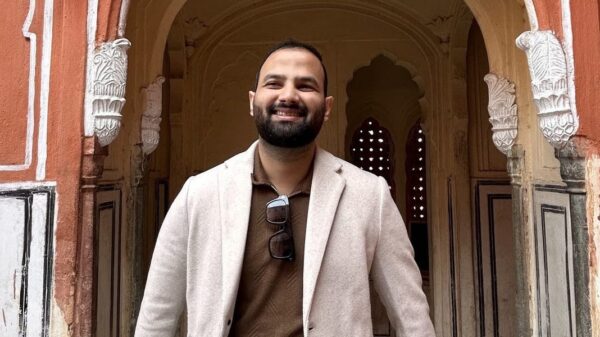








































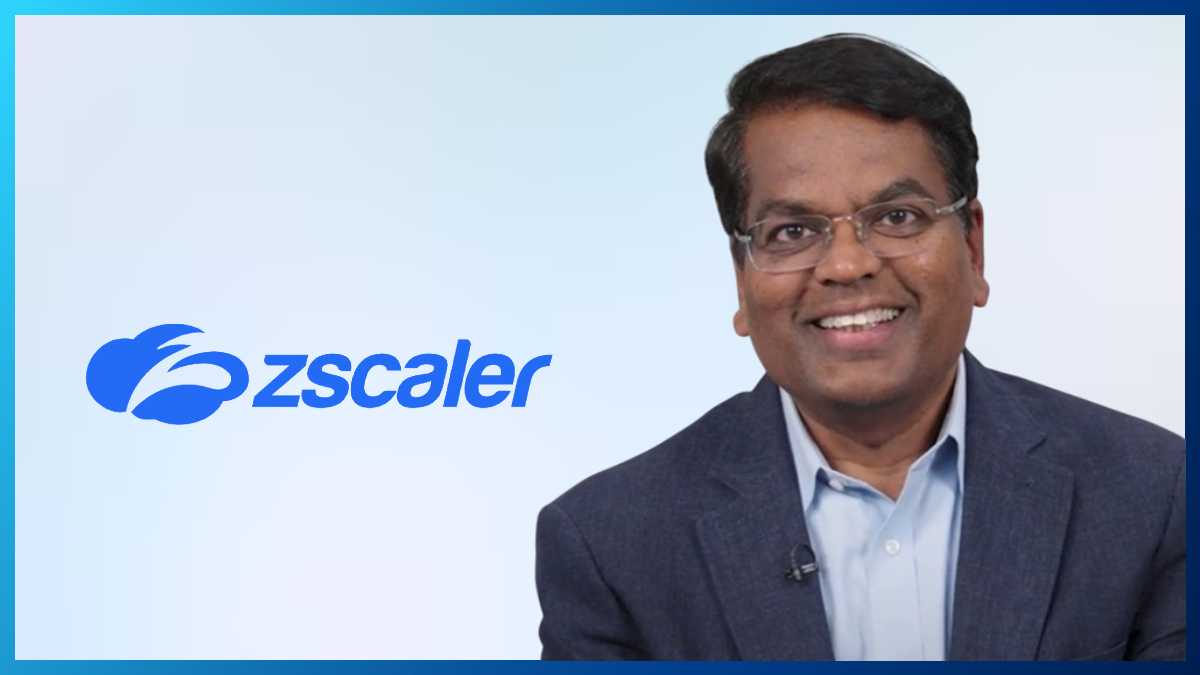
Zscaler, a prominent cloud security company, has appointed Dr. Swamy Kocherlakota as Executive Vice President of Agentic AI Security Engineering. This strategic move aims to enhance the company’s approach to securing organizations against evolving cyber threats by addressing vulnerabilities at the architectural level, which traditional security vendors have struggled to do effectively.
Dr. Kocherlakota, a seasoned technology expert with over 30 years of experience, previously spearheaded AI strategy at a leading global financial analytics firm. In his new role, he is set to accelerate the expansion of the Zscaler Zero Trust Exchange, a platform currently trusted by 45% of Fortune 500 companies to secure agile workflows. His leadership is expected to drive innovation deeper into the AI stack, forming a robust foundation for AI developers and business executives as they navigate the increasingly complex cyber threat landscape.
Jay Chaudhry, CEO, Chairman, and Founder of Zscaler, emphasized the importance of Dr. Kocherlakota’s expertise, stating, “Agentic AI is the future of how organizations will work, creating enormous opportunities for automation and scale, but also introducing significant new risks that legacy security tools cannot address.” Chaudhry further noted that Kocherlakota’s extensive experience in developing AI strategies within highly regulated environments positions Zscaler to enhance its Zero Trust architecture effectively. This architecture aims to secure both human and machine identities, reinforcing Zscaler’s standing as a leading security platform in the emerging AI era.
In his comments, Dr. Kocherlakota remarked, “Zscaler defined and pioneered Zero Trust security for users and applications, and I believe it’s the only company with the data and architecture required to secure the AI era. I look forward to helping our customers accelerate this transformation, enabling them to empower their business leaders while rigorously protecting their intellectual property, brand, and data.” His focus on comprehensive AI security aligns with the growing need for organizations to adapt to the rapid pace of technological change.
The appointment of Dr. Kocherlakota reflects a broader trend within the cybersecurity sector, where organizations are increasingly recognizing the importance of integrating advanced AI capabilities into their security frameworks. As the frequency and sophistication of cyberattacks escalate, the demand for innovative solutions capable of addressing these threats is paramount.
With the growing reliance on AI across various industries, Zscaler’s commitment to enhancing its security architecture could position it advantageously in a competitive market. As businesses continue to adopt AI technologies, the challenges associated with securing these systems will become even more pronounced. By leveraging Dr. Kocherlakota’s expertise, Zscaler aims to be at the forefront of this critical intersection of AI and cybersecurity.
As Zscaler embarks on this next chapter, industry observers will be keen to see how effective the company’s initiatives under Dr. Kocherlakota’s leadership will be in navigating the complexities of securing AI-driven environments. The outcome of these efforts could not only shape Zscaler’s future but also influence best practices across the cybersecurity landscape.
See also Seceon Launches AI-Driven Real-Time Threat Intelligence to Combat Advanced Cyber Threats
 Saudi Arabia’s Cybersecurity Market Set to Reach $7.5B by 2034 Amid AI Innovations
 ETSI Launches EN 304 223 Standard Defining Cybersecurity for AI Systems
 CISOs and CEOs Diverge on AI’s Cybersecurity Role: 30% vs. 20% Confidence Levels
 Observability Tools Revolutionize Cyber Defense Amid Rising AI-Driven Threats