





























Microsoft Research has unveiled a new AI-driven system named OptiMind, designed to bridge a significant gap in operations research: the conversion of real-world problems into mathematical models suitable for optimization. Announced by Doug Burger, Managing Director of Microsoft Research Core Labs, the release aims to simplify the complex task of formulating problems in a way that machines can efficiently optimize.
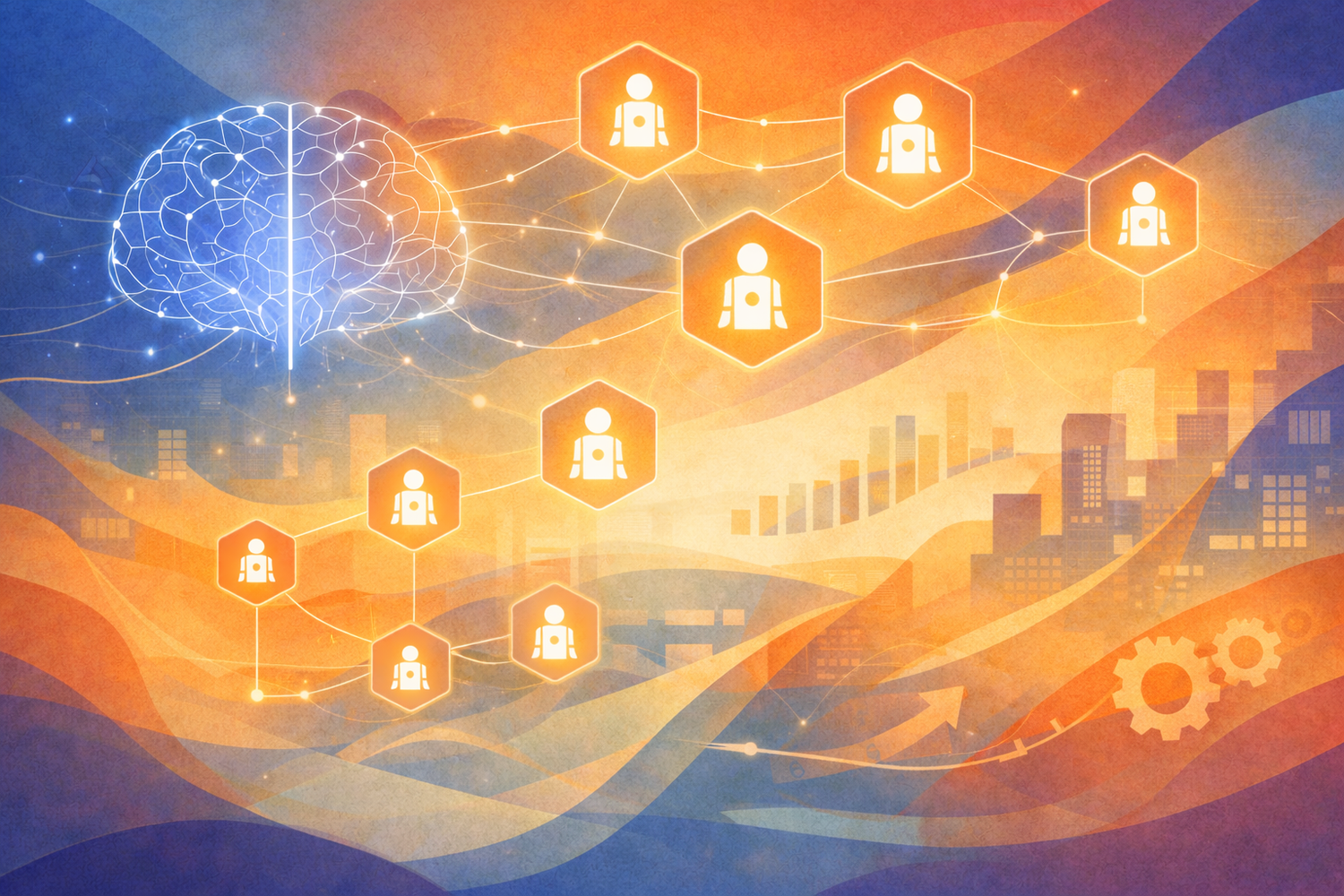
In a LinkedIn post, Burger explained that OptiMind can transform natural language descriptions into formal optimization models, including mixed-integer linear programs, which are then solvable using existing optimization engines. He emphasized that this system addresses the challenge of formulating intricate problems and systems, stating, “OptiMind turns natural language into mathematical formulations… that makes it easier to explore solutions with powerful optimization solvers.”
OptiMind is particularly suited for environments where systems are too intricate, dynamic, or interconnected for manual modeling. According to Burger, the tool enables organizations to optimize and enhance complex systems such as supply chains, manufacturing systems, and global scheduling frameworks, while also facilitating scenario testing and re-optimization as conditions evolve.
This development is part of a larger initiative by Microsoft Research to integrate large language models with traditional optimization tools, rather than viewing generative AI as a standalone solution. Burger highlighted that this innovative approach allows users to continuously explore alternatives as constraints, inputs, and objectives change.
Currently, OptiMind is accessible for experimentation through Microsoft Foundry and Hugging Face, with benchmarks and data-processing pipelines made openly available. Burger noted that the choice to publish these resources was aimed at fostering transparency and encouraging community-driven progress in the field.
The introduction of OptiMind is reflective of a broader ambition by Microsoft Research’s machine learning and optimization team to democratize optimization across various sectors using generative AI and agentic solutions. This approach combines advanced language models with existing simulators and optimization algorithms employed in industry.
Looking beyond enterprise applications, Burger pointed out potential long-term uses for the technology in managing larger systems such as urban infrastructure and local economies. He expressed optimism that tools like OptiMind could contribute to sustainability initiatives, stating they would be “important in reducing emissions and building a more sustainable future.”
In conclusion, this launch represents a significant advancement in the intersection of AI and operations research, showcasing Microsoft’s commitment to leveraging technology for practical, real-world applications that extend beyond traditional enterprise contexts. Burger credited the Microsoft Research team for their contributions, which span optimization, machine learning, and systems design, as they continue to explore innovative solutions in this rapidly evolving field.
See also Andrew Ng Advocates for Coding Skills Amid AI Evolution in Tech
 AI’s Growing Influence in Higher Education: Balancing Innovation and Critical Thinking
 AI in English Language Education: 6 Principles for Ethical Use and Human-Centered Solutions
 Ghana’s Ministry of Education Launches AI Curriculum, Training 68,000 Teachers by 2025
 57% of Special Educators Use AI for IEPs, Raising Legal and Ethical Concerns