


































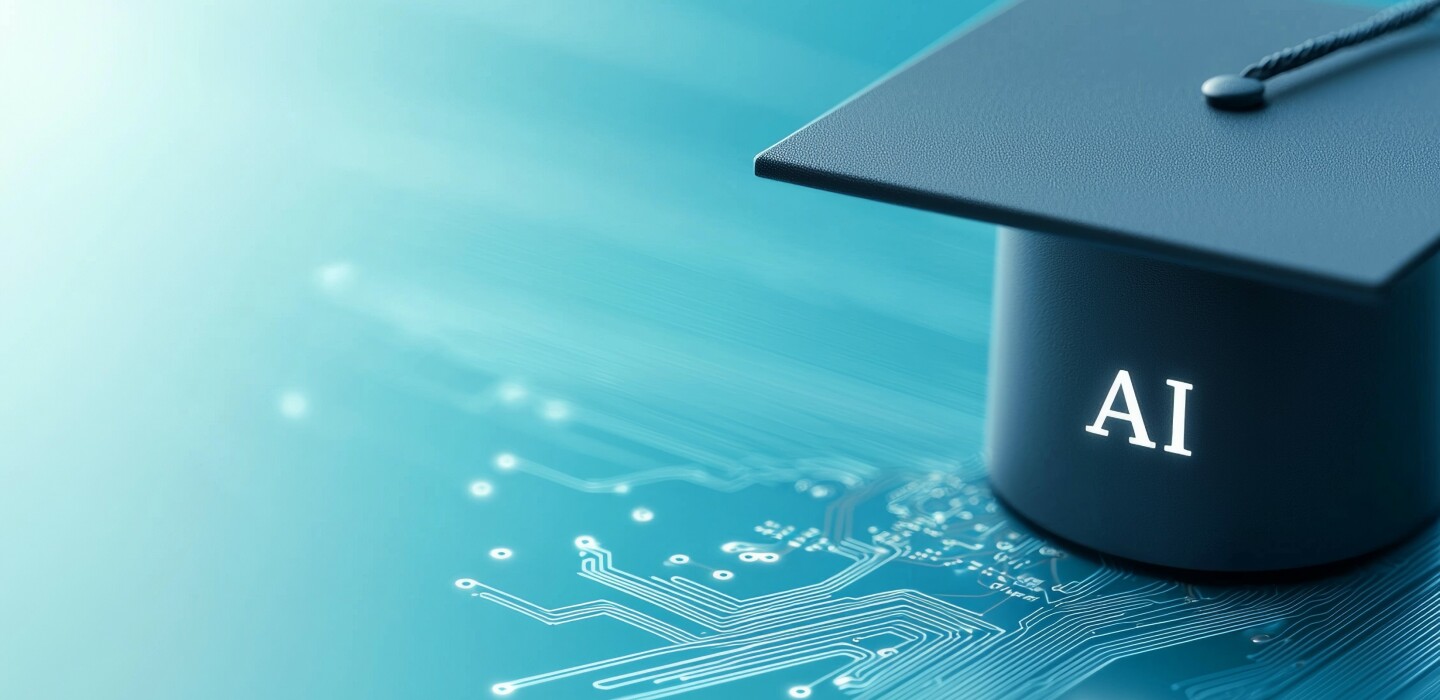
Rose-Hulman Institute of Technology has unveiled a new undergraduate major in artificial intelligence, a response to the escalating demand for skilled professionals in this rapidly evolving field. This initiative will officially launch in the 2027-28 academic year, with coursework starting in the 2026-27 academic year. The program aims to equip students with both technical expertise and a thoughtful approach to the ethical implications of AI, as highlighted in a recent college news release.
The expansion of artificial intelligence programs across universities nationwide underscores the increasing need for talent in this area. Employers are particularly interested in graduates who not only possess a strong foundation in AI technology but also understand how to apply these tools responsibly across various sectors. Rose-Hulman intends to prepare students for this demand through an interdisciplinary curriculum that includes hands-on projects and courses taught by faculty with practical experience in the industry.
“There is a huge debate in higher education about AI and whether it should be used or not and where it’s appropriate to use,” said Robert Coons, president of Rose-Hulman, in an interview. He noted that the institution has long taught the technical elements of AI within its computer science curriculum. “We have re-calibrated the offerings into an actual major in AI,” he added, emphasizing the shift to a dedicated program.
The decision to introduce this major was significantly influenced by industry demand and job opportunities in the field. Coons remarked that just a few years ago, computer science graduates faced an explosive job market. However, with the rise of AI and other economic factors, the number of computer science graduates struggling to find employment has increased, leading to a decline in enrollments. Employers are increasingly seeking candidates with specialized AI experience, which the new program aims to provide.
Graduates of the AI major will be prepared for diverse roles across various industries, including technology, healthcare, finance, robotics, and gaming. The curriculum incorporates ethical training, emphasizing the importance of critical thinking regarding AI-related ethical decisions. “AI is quickly becoming a part of each of the engineering disciplines in different ways, but so far, that’s been fairly limited,” Coons explained. “There is a real push from industry to be aggressive there.”
Additionally, Rose-Hulman plans to invite industry experts to contribute to the program. In an upcoming event, Pete Yonkman, president of Cook Group and Cook Medical in Bloomington, will discuss how his company is utilizing AI tools in their manufacturing processes. “We’re all learning,” Coons remarked regarding the integration of AI in educational and professional contexts.
The World Economic Forum’s “Future of Jobs 2025” report forecasts that AI and data science could generate 11 million jobs in the coming years, highlighting the significance of this academic endeavor. The new AI major will be offered through Rose-Hulman’s Department of Computer Science and Software Engineering, which already includes a computer science major with pathways in software development and research, as well as specializations in areas like cybersecurity, software engineering, and data analytics.
As artificial intelligence continues to permeate various sectors, the introduction of this program at Rose-Hulman reflects a broader trend in education aimed at preparing students for the future job market. To learn more about the new AI major, interested individuals can visit rhit.edu/AI.
See also Andrew Ng Advocates for Coding Skills Amid AI Evolution in Tech
 AI’s Growing Influence in Higher Education: Balancing Innovation and Critical Thinking
 AI in English Language Education: 6 Principles for Ethical Use and Human-Centered Solutions
 Ghana’s Ministry of Education Launches AI Curriculum, Training 68,000 Teachers by 2025
 57% of Special Educators Use AI for IEPs, Raising Legal and Ethical Concerns