


















































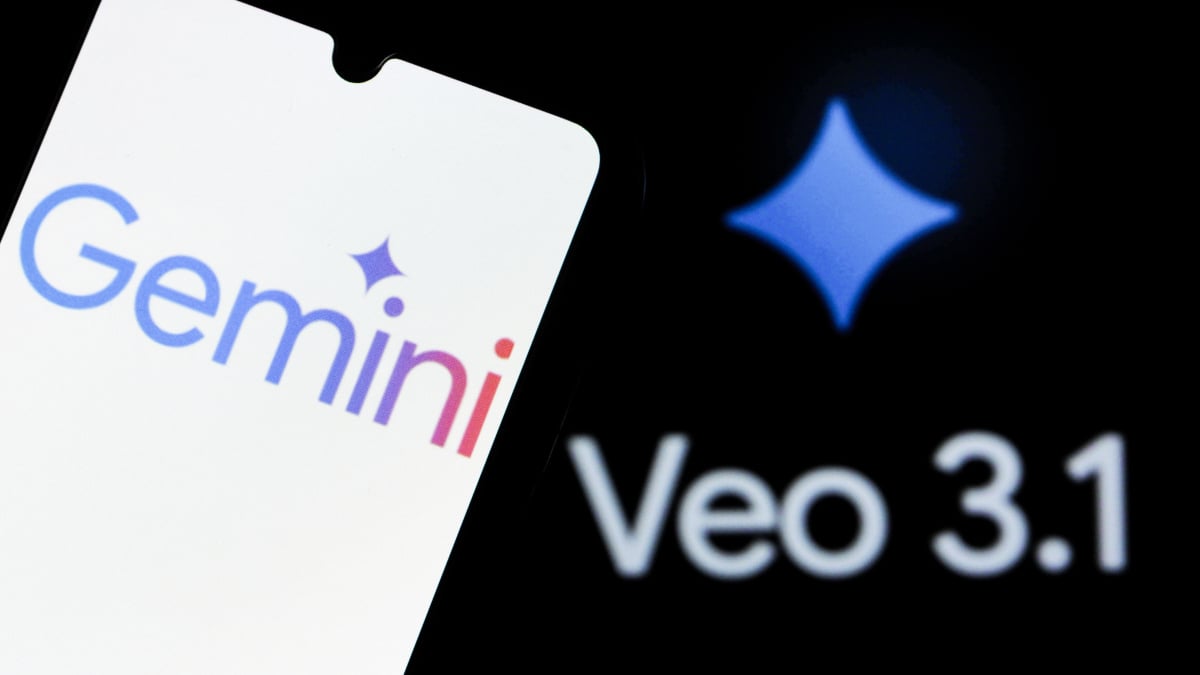
Google is expanding its generative AI capabilities with the launch of a new feature for its Gemini video model that enables users to produce social media-ready vertical videos. This announcement, made earlier this week, raises concerns about the potential increase of low-quality AI-generated content, often referred to as “slop.” The move comes as competition intensifies in the AI video generation sector, where Google Veo is recognized as a leading player.
The latest iteration, Veo 3.1, allows users to generate videos specifically formatted for mobile devices, utilizing a 9:16 aspect ratio that is ideal for platforms like TikTok, YouTube Shorts, and Instagram Reels. Google claims that this mode delivers faster results and improved composition by generating full-frame vertical videos instead of cropping from a standard landscape format.
Despite these advancements, there are concerns about the quality of the content being produced. Critics have noted that the online environment is increasingly filled with AI-generated vertical videos, with a significant portion deemed subpar. For example, Meta recently launched Vibes, a social platform dedicated to scrolling through AI-generated videos, which has been criticized as an “infinite slop machine.” This scrutiny raises the question of whether Google’s new feature will contribute to an already crowded market of low-quality video content.
The decision to enable social-ready video generation aligns with user demand; however, industry observers wonder if this will enhance users’ experiences or simply add to the noise. The prevalence of AI-generated content has already altered how consumers engage with media on social platforms, leading to a mixed reception.
As technology continues to evolve, the challenge for companies like Google will be to strike a balance between innovation and quality. The introduction of Veo 3.1 may cater to current trends, but the potential for increased saturation of low-quality videos could complicate the landscape further.
Moving forward, the implications of this development are significant. As generative AI continues to shape the content creation space, the effectiveness of these tools in delivering meaningful, high-quality videos will be scrutinized. What remains to be seen is how consumers will respond to this influx of AI-generated vertical videos, and whether platforms will implement measures to ensure quality control. In an era where content is king, maintaining a standard may prove to be as crucial as the technology itself.
See also AI Models Struggle with Visual Tasks, Scoring Below Average Toddlers, Reveals UniPat Study
 Android Studio Otter Launches LLM Flexibility and Enhanced Agent Workflows for Developers
 Pakistan Launches National GenAI Cyber Initiative to Boost Cybersecurity Resilience
 Explainable Generative AI Study Reveals Major Gaps in Current Techniques and Standards