





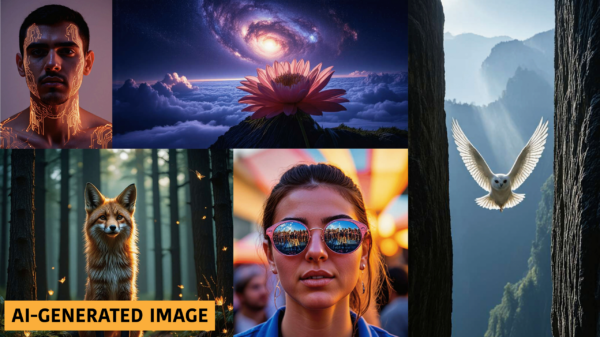






















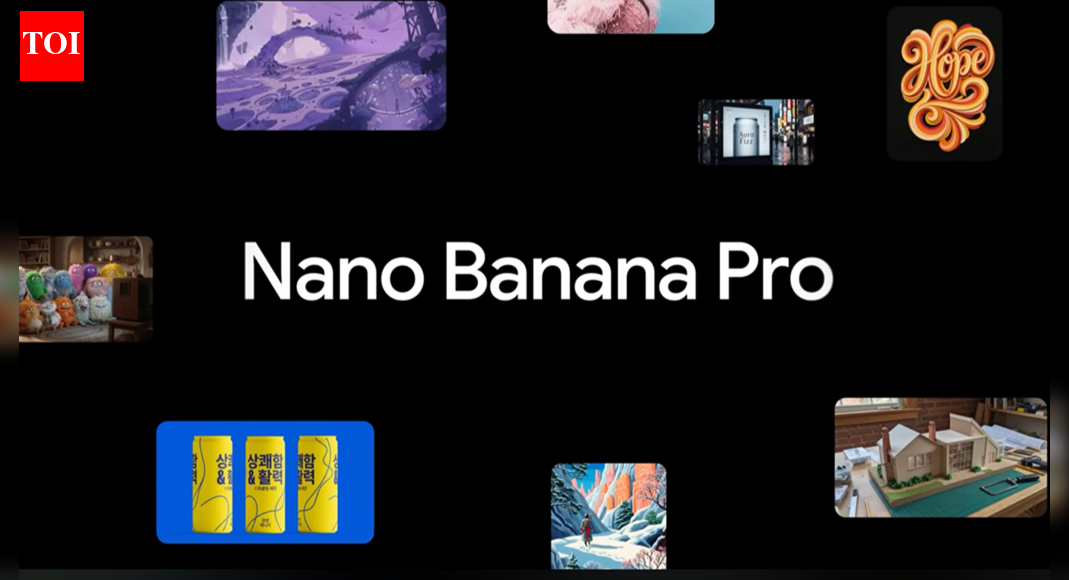
In response to surging demand and strained computing resources, both Google and OpenAI have imposed restrictions on the use of their artificial intelligence (AI) tools for photo and video generation. Google recently launched its newest image generation tool, Nano Banana Pro, but has already limited free users to producing just two images per day, a reduction from an initial limit of three images. This change was highlighted by 9to5Google and marks the company’s ongoing practice of adjusting usage caps following the release of popular features.
Google cautioned users that these limits could change frequently and without prior notice. Additionally, free users will see restricted access to its underlying large language model, Gemini 3 Pro. “You can upgrade to a Google AI plan for expanded access to features and models in Gemini Apps,” the company stated. The upgrades are available as part of select paid plans for personal accounts.
Meanwhile, OpenAI has announced similar restrictions for its video generation capabilities using the Sora AI model. Bill Peebles, the head of Sora at OpenAI, described the immense computational demands of the platform, noting, “Our GPUs are melting.” As a result, free users will now be limited to generating six videos per day. Unlike previous revisions, Peebles did not frame these new limits as temporary, suggesting a permanent shift in strategy that aligns with a push toward monetization.
Peebles added that users can purchase additional video generations as needed, indicating a potential revenue stream for OpenAI. “We’re setting usage limits for free users to six gens per day,” he explained in a post on X (formerly Twitter). Users subscribed to ChatGPT Plus and Pro plans will see their video generation limits remain unchanged, allowing them continued access to the platform without restrictions.
The adjustments reflect a broader trend of resource management among AI companies as they grapple with the challenges of scaling their offerings to meet growing consumer interest. As AI-generated content becomes more mainstream, companies are navigating the delicate balance between accessibility and resource allocation.
These changes also spotlight the competitive landscape in the AI sector, where rapid advancements and user expectations are prompting firms to reevaluate their service models. By limiting free access while promoting paid subscriptions, both Google and OpenAI are signaling a move towards monetization strategies that could reshape how consumers interact with AI technologies.
As the demand for AI-generated content continues to rise, industry observers will be watching closely to see how these usage limits impact user engagement and revenue models. The decisions made by these tech giants may set precedents for future AI development and deployment, shaping the landscape of digital content creation in the years to come.
See also Google Limits Free Use of Nano Banana AI Image Generator to Two Images Daily Amid High Demand
 Study Reveals Generative AI’s Creative Limits: Capped at Average Human Level
 AI Study Reveals 62% Success in Bypassing Chatbot Safety with Poetry Techniques
 Imagiyo AI Image Generator Launches Lifetime Subscription for $34.97, 93% Off Until Dec. 14
 AI in Aviation: Key Leaders Stress Need for Verification to Prevent Human Oversights