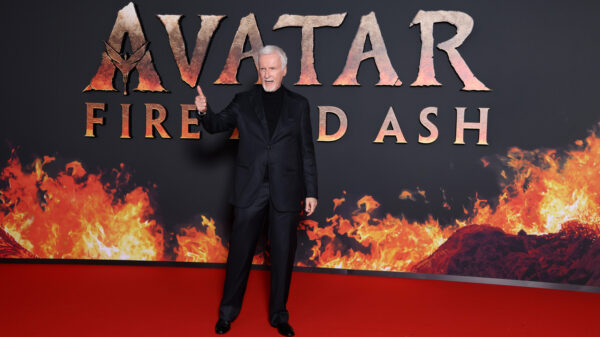

































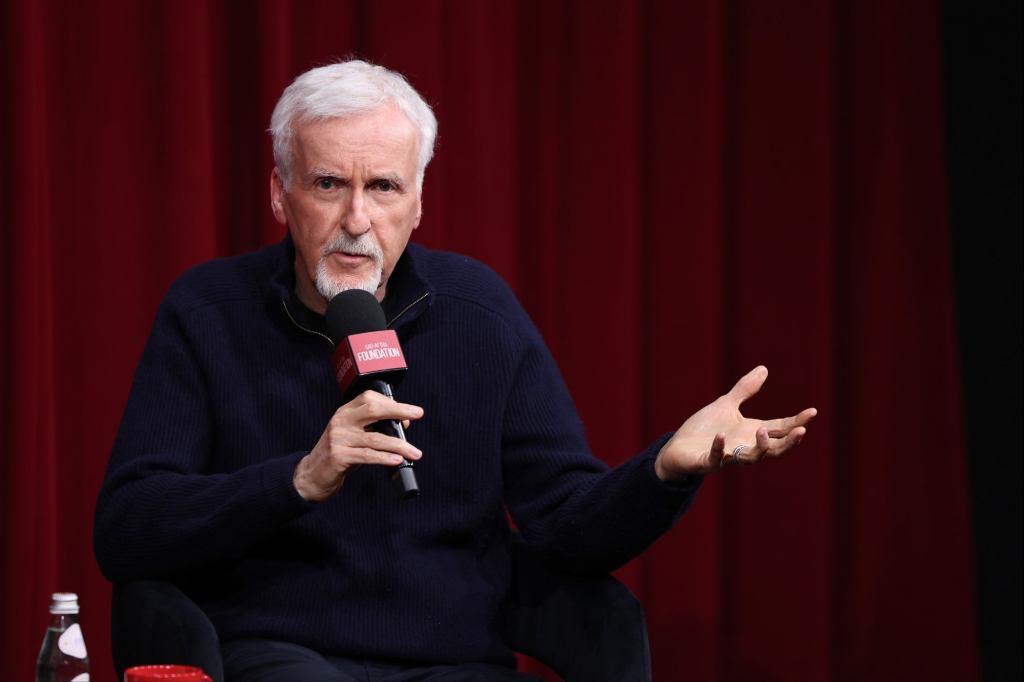
James Cameron, the renowned 71-year-old director of blockbuster films such as Avatar and Titanic, expressed strong reservations about generative AI in a recent interview with CBS Sunday Morning. Tied to the upcoming release of Avatar: Fire and Ash on December 19, Cameron described the technology, which creates scenes, characters, and performances based on text prompts, as “horrifying.”
Generative AI has gained traction in the film industry for its ability to autonomously generate content. Cameron, however, is critical of this approach, voicing concerns that it undermines the artistry involved in filmmaking. “No, that’s horrifying to me,” he stated during the interview. “That’s exactly what we’re not doing.”
While generative AI automates the process of creating characters and performances, Cameron emphasizes his commitment to performance capture, a method that accurately records an actor’s full performance—body language, facial expressions, and vocal inflections. This data is then mapped onto computer-generated characters, producing lifelike representations that celebrate the collaboration between actors and directors, rather than replacing them. “When in fact, once you really drill down and you see what we’re doing, it’s a celebration of the actor-director moment,” he explained.
Performance capture is a key technique for creating the stunning visuals in the Avatar franchise. For instance, in the CBS interview, Cameron showcased the cast performing underwater scenes in a 250,000-gallon water tank, highlighting the intricate work involved in bringing these characters to life through human expression rather than AI-generated imagery.
Despite his critical stance on generative AI, Cameron is not entirely opposed to the technology. He has joined the board of directors at Stability AI, a company known for its text-to-image model, Stable Diffusion. He noted the potential for AI tools to enhance visual effects, enabling filmmakers to streamline processes and reduce costs. However, Cameron remains skeptical about the creative capabilities of AI, arguing that it cannot produce genuinely original content. “It puts all of the human experience into a blender and creates something that is kind of an average of that,” he stated.
As the debate over AI’s role in filmmaking continues, some studios are already experimenting with the technology. Netflix utilized generative AI for the first time in July to create a scene in the Argentine science fiction show El Eternauta, completing the segment “10 times faster” than traditional methods, according to co-CEO Ted Sarandos. He noted that the AI-generated scene resonated with audiences, suggesting that AI can be a valuable tool in the creative process when used judiciously.
“This is real people doing real work with better tools,” Sarandos remarked. “The creators were thrilled with the result. We were thrilled with the result, and more importantly, the audience was thrilled with the result.”
Cameron’s comments reflect a broader industry debate on the implications of AI technology within creative fields. As filmmakers navigate this evolving landscape, the tension between traditional artistry and innovative technology will likely continue to shape the future of cinema.
See also Runway Launches Gen-4.5 Video Model, Achieves 1,247 Elo Points in AI Leaderboard
 Rockstar Co-Founder Dan Houser Warns Generative AI May Degrade Game Quality
 DeepSeek Launches V3.2 Models to Rival GPT-5 and Gemini 3 Pro with Advanced Reasoning
 OpenAI, Google Impose Daily Limits on AI Tools: Sora at 6 Videos, Nano Banana Pro at 2 Images
 Kling AI Launches Kling O1, First Unified Multimodal Video Model for Seamless Content Creation