





































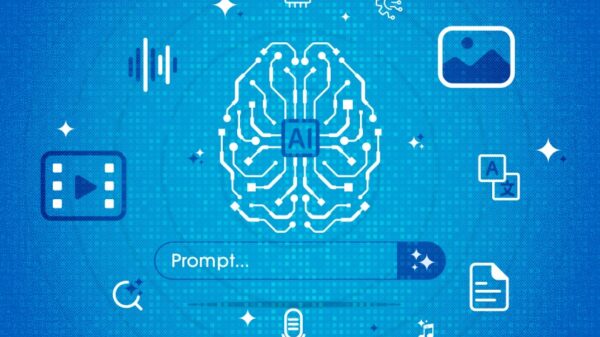





Umeå University in Sweden has announced a pioneering multimodal AI approach, termed #frAIday, aimed at enhancing the interaction between artificial intelligence and human users. This initiative seeks to integrate various modes of communication, including text, voice, and visual data, to create a more intuitive and responsive AI experience. The launch event, scheduled for next week, will showcase the university’s latest research and applications in the field of AI, with a particular focus on improving user engagement and accessibility.
The development comes at a time when the demand for sophisticated AI solutions is rapidly increasing across multiple sectors, including education, healthcare, and customer service. By employing a multimodal framework, Umeå University is positioning itself at the forefront of AI innovation, facilitating a more holistic understanding of user needs and preferences.
Dr. Sofia Andersson, a lead researcher on the project, emphasized the significance of integrating different forms of data. “Our goal is to develop AI that not only understands text but can also interpret images and voice nuances, leading to a richer interaction,” she stated. This approach is intended to remove barriers that often hinder effective communication between users and AI systems.
Initial tests of the #frAIday systems suggest that this method could improve user satisfaction and reduce misunderstandings in AI interactions. In pilot studies, participants reported a 30% increase in their overall satisfaction when engaging with multimodal inputs compared to traditional single-modality systems.
Umeå University is not alone in its pursuit of advanced AI methodologies. Major tech companies and academic institutions globally are exploring multimodal AI, recognizing its potential to transform user experiences. The increasing complexity of user demands necessitates more adaptable and versatile AI systems that can cater to diverse communication styles.
As the field of AI continues to evolve, multimodal systems are poised to become a key component of consumer technology. Applications range from virtual assistants that better understand context to educational platforms that personalize learning experiences through various media. The implications for industries such as telecommunication, where customer interaction is paramount, could be substantial.
The #frAIday initiative reflects broader trends in AI research that prioritize user-centric design and functionality. By leveraging multiple data types, such systems can not only enhance practical applications but also contribute to the ethical considerations surrounding AI, ensuring that technology serves diverse populations effectively.
Looking ahead, Umeå University’s efforts may influence how AI is integrated into everyday life. As users increasingly interact with AI across various platforms, the success of multimodal approaches like #frAIday could set new standards for future developments in artificial intelligence. The university’s commitment to advancing this field could foster further collaborations and innovations that shape the future of technology.
See also AI Tools Match Human Expertise in Data Analysis, Boosting Preterm Birth Predictions
 Gemini App Launches Video Templates for Streamlined Content Creation
 Interview Kickstart Launches Advanced Generative AI Course for Engineers, Lasting 9 Weeks
 OpenAI Reveals 20 Best Generative AI Tools of 2026 to Boost Productivity and Creativity