











































xAI’s newly launched Grok Imagine 1.0 has generated an astonishing 1.245 billion videos in just 30 days, marking a significant shift in the realm of AI video creation from experimental technology to practical application. This advancement could redefine the way users interact with platforms like TikTok, potentially altering the landscape of online content consumption.
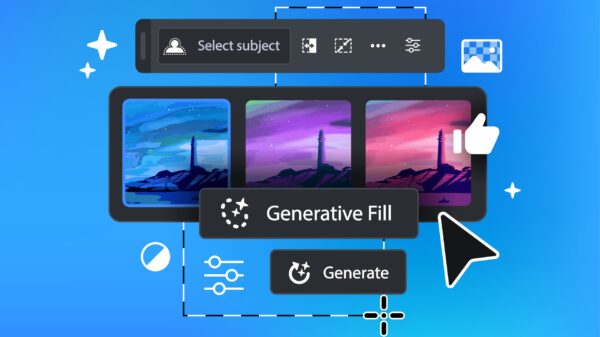
The Grok Imagine platform offers creators the ability to produce 10-second videos at a 720p resolution, complete with synchronized audio and cinematic music. Its features include transforming text prompts into short videos, animating static images, and editing footage through object manipulation and scene transformations. This tool has been likened to Photoshop’s ambitious younger sibling, offering a more dynamic and versatile approach to video content creation.
In this evolving competitive landscape, Grok Imagine is positioned against established players such as Google’s Veo 3.1 and OpenAI’s Sora. While these platforms have historically garnered attention, Grok Imagine has quietly built a robust infrastructure capable of handling over a billion video requests monthly. The platform’s recently released API has reportedly achieved top performances in quality, cost, and speed benchmarks as indicated by Artificial Analysis. However, whether these metrics hold up in the day-to-day workflows of creators remains a critical factor.
In a strategic move, Elon Musk’s SpaceX acquired xAI in February, a decision that valued the combined entity at $1.25 trillion. This merger is seen not just as a corporate maneuver, but as a response to limitations faced by terrestrial data centers. The overarching plan involves leveraging satellite-based AI computing in low Earth orbit, which aims to alleviate current power constraints that hinder AI development. Despite this ambitious vision, it is essential to note that xAI was reportedly burning through $1 billion monthly prior to the merger.
However, Grok Imagine’s launch is not without its controversies. The platform’s previous image generation tools have been scrutinized for facilitating the creation of explicit content, leading to European Commission investigations. Although new safeguards have been implemented, reports of bypasses have emerged. For content creators, this history serves as a crucial reminder that while the tools are powerful, they also demand responsible use—especially given the potential reach of content that could touch billions of viewers.
The critical question now is whether creators will choose to engage with another Musk-controlled platform in a crowded marketplace. As the competition intensifies, the strategies and tools available for content creators could increasingly rely on advanced technologies—some of which may even operate from space. The future landscape of video content creation is evolving rapidly, and Grok Imagine’s capabilities may play a pivotal role in shaping how this evolution unfolds.
See also Generate Biomedicines Files for Nasdaq IPO to Fund Phase 3 Severe Asthma Program
 Perplexity Launches DRACO Benchmark for Evaluating AI Research Accuracy and Completeness
 MIT Develops DiffSyn AI Model to Accelerate Synthesis of Complex Zeolite Materials
 Sysdig Reveals Attackers Use LLMs to Escalate AWS Access in Under 10 Minutes