


















































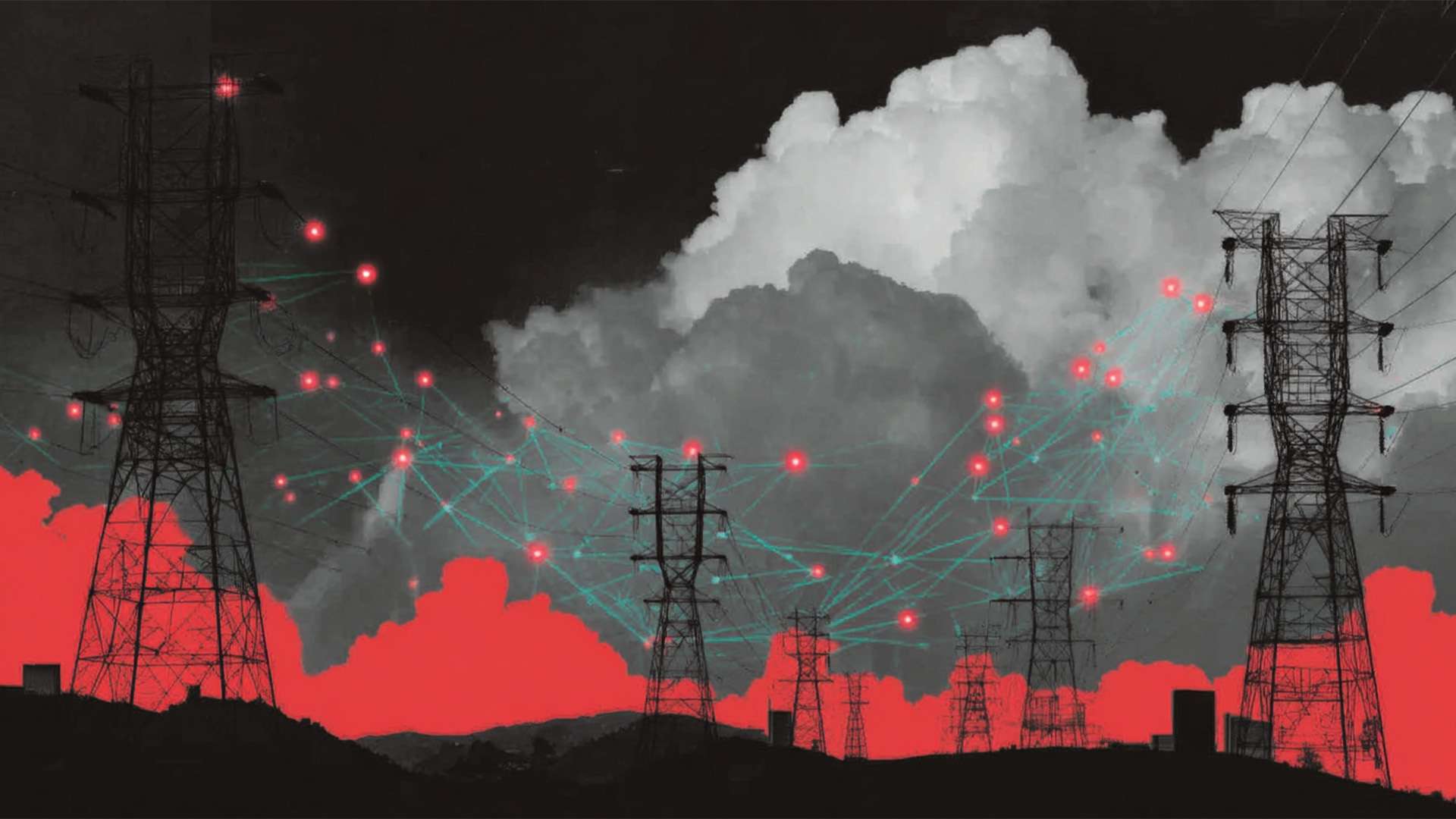
President Donald Trump’s pledge to halve electricity prices within 18 months of taking office appears increasingly unattainable. With just over half of that time elapsed, the latest data indicate a significant rise in residential electricity costs. In October, the Energy Information Administration reported a 5.2 percent annual increase in electricity prices, attributing the spikes to various factors, including the president’s own trade policies. Artificial intelligence (AI) and the proliferation of data centers have been singled out by policymakers as major contributors to these price surges. Senator Bernie Sanders (I–Vt.) has proposed a federal moratorium on data center construction, while Senator Elizabeth Warren (D–Mass.) has initiated an investigation into their impact on electricity costs.
Public sentiment is shifting against AI, with a recent poll from Arbor, an electricity software company, revealing that nearly two-thirds of respondents believe AI is responsible for rising utility bills. Additionally, over 70 percent of Americans expressed concerns about the environmental consequences of AI, according to an Associated Press–NORC poll conducted in September. While it may be easy to attribute these challenges to AI, government interventions could impede the development of solutions that technology firms are pursuing to enhance the grid’s efficiency and sustainability.
Among those companies is Everstar, which aims to tackle one of the key obstacles in nuclear power: overwhelming regulatory paperwork. A reactor license application can exceed 10,000 pages and may take up to two years for federal regulators to review. Even minor errors can lead to substantial delays and costs. For instance, Everstar’s CEO, Kevin Kong, noted that correcting a simple typo in licensing documentation necessitated a “License Amendment Request,” costing the developer “tens of thousands of dollars in engineering time and external consultants” and extending regulatory reviews by several months.
Everstar’s AI-enabled platform, Gordian, is designed to streamline regulatory processes by automating compliance and technical documentation for the nuclear sector. Since its launch earlier this year, Gordian has demonstrated remarkable efficiency. After Last Energy received federal funding in August to showcase its advanced nuclear reactor, it collaborated with Everstar to produce a 50-page environmental assessment that typically takes eight weeks, completing it in just one. Similarly, a 200-page ecology report, which usually takes weeks to revise, was turned around in a single night.
Kong stated that clients have managed to reduce “30-40% of the time spent on major regulatory deliverables,” a significant factor in determining project viability. The company plans to expand its operations in the coming year. However, obtaining federal approval for new energy generation sources is just one part of the solution; developers must also successfully integrate this power into the grid, a process that can take up to five years and keep substantial energy off the market.
Tapestry, a project from Google X, is addressing this issue with its Grid Planning Tool, which aims to expedite the interconnection process for new energy sources. Traditionally, grid operators must conduct extensive simulations to evaluate interconnection requests, sometimes looking decades into the future. Tapestry’s technology has reduced this process from weeks to days, enabling operators to identify the “most affordable, reliable, low carbon” energy sources. This technology is currently being deployed by PJM Interconnection, the largest grid operator in the U.S., to accelerate interconnection timelines.
In addition, Tapestry’s GridAware platform automates inspections of physical grid infrastructure, such as poles and wires, enhancing reliability and lowering maintenance costs for utility companies, which often pass these expenses onto consumers. In New Zealand, GridAware has dramatically reduced inspection times for the country’s largest utility, cutting down the duration from 45 minutes to approximately five minutes per asset.
While AI may currently face criticism as a factor in rising electricity prices, it is simultaneously unlocking innovative solutions aimed at delivering cleaner, more affordable, and abundant energy. The challenge remains whether governmental policies will support or hinder these technological advancements in the energy sector.
See also AI Set to Boost India’s Economy by $1.7 Trillion by 2035, Government Reports
 Shenzhen Aims for AI in Every Home by 2030, Strengthening China-US Tech Rivalry
 India Enacts DPDP Rules and Deepfake Regulations Amidst AI Governance Overhaul
 NCAI Consortium Launches Open-Source VAETKI AI Model for 28 Projects Across Key Industries
 Chinese Local Governments Launch AI Bureaus to Enhance Innovation and Industry Growth