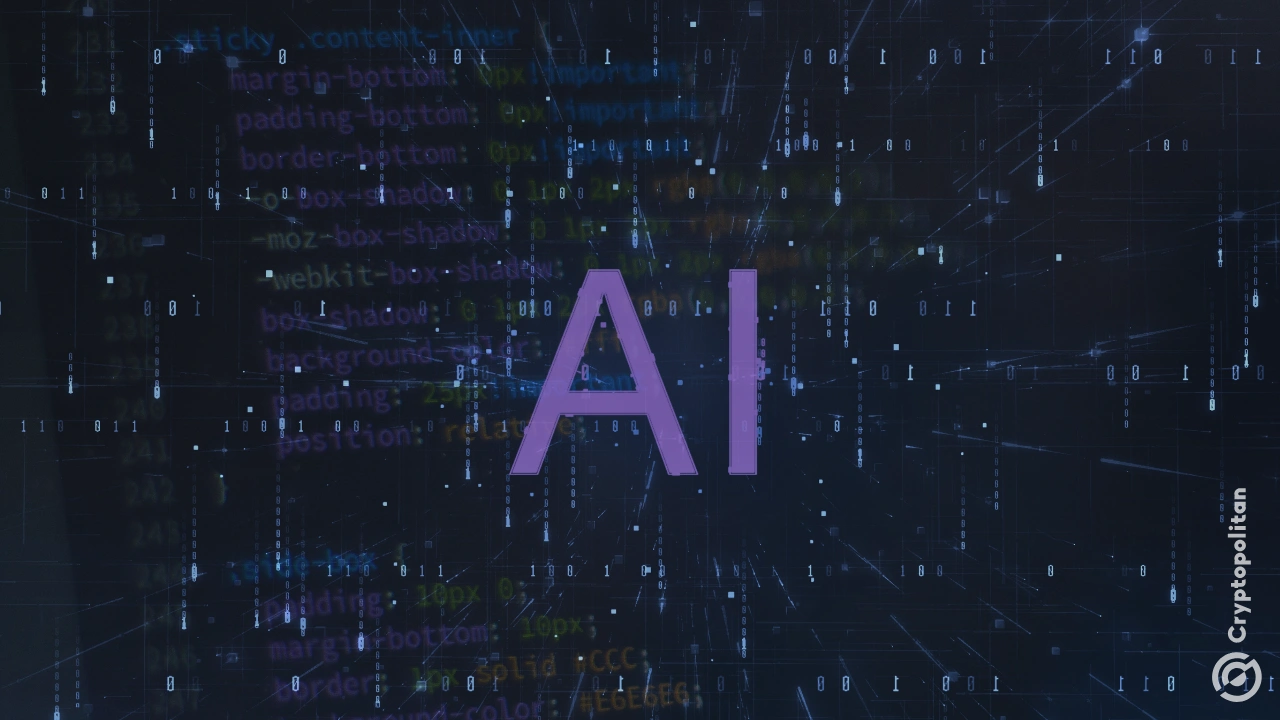
The southern Chinese technology hub of Shenzhen aims to integrate artificial intelligence into every home and business within five years, a strategy that positions the city at the forefront of the growing technological rivalry between China and the United States. City officials outlined this ambitious target on Monday, unveiling Shenzhen’s latest economic roadmap covering the period from 2026 to 2030, with an eye towards becoming one of the world’s leading technology centers by 2035.
The policy document, released by Shenzhen’s Communist Party committee, emphasizes the goal of embedding AI throughout residences and supporting various job sectors. This initiative, referred to as the “AI+” approach, seeks to enhance both government services and private enterprises.
Experts assert that Shenzhen will be a critical testing ground for China’s national AI strategy, especially as AI emerges as a pivotal arena of competition with the United States. Dai Mingjie, a policy researcher at the South China University of Technology, noted that Shenzhen’s actions in the coming decade will significantly impact the nation as a whole.
The city’s AI plan translates broader national objectives into action, reflecting a shift in China’s focus from merely achieving technological superiority—where the U.S. currently leads—to emphasizing practical applications and marketable products. According to Dai, the ultimate success in the AI competition may hinge less on who develops the most innovative technologies and more on who effectively integrates AI into everyday life.
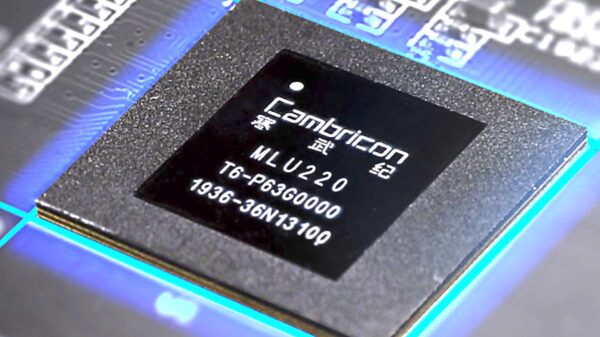
Shenzhen’s strategy aims to create a replicable model for widespread AI adoption, benefiting the entire country. The plan also stresses the necessity for self-sufficiency in AI chip production, software development, and homegrown operating systems, as well as the establishment of robust computing infrastructure to support large-scale implementations.
Key sectors identified for AI integration include robotics, autonomous vehicles, smart transportation systems, and the emerging low-altitude economy, which could catalyze growth in additional new industries. Shenzhen recorded a 5.8 percent economic expansion last year, reaching an output of 3.68 trillion yuan (approximately $526.4 billion), solidifying its position as China’s third-largest city by economic performance. The city has long been a leader in China’s technology sector, hosting major firms such as Huawei Technologies and Tencent, as well as BYD, the world’s largest electric vehicle manufacturer, and DJI, a leading drone producer.
Shenzhen’s approximately 2,800 AI firms generated around 360 billion yuan (about $51.5 billion) in economic activity last year, according to city data. Beijing is relying on Shenzhen to counter Western constraints on AI chips and semiconductor manufacturing while accelerating real-world applications of AI technology.
The city is also collaborating with Hong Kong on a technology park located at their shared border. The previous planning period designated the Shenzhen-Hong Kong Hetao Cooperation Zone as a world-class center aimed at driving technological innovation throughout the Greater Bay Area.
Shenzhen is set to host the Asia-Pacific Economic Cooperation forum in November 2026, providing Beijing an opportunity to showcase the city’s advancements to global leaders, potentially including US President Donald Trump.
Despite these ambitious goals, some analysts caution that Shenzhen must strike a balance between governmental oversight and market dynamics. Tang Dajie, a business researcher at the China Enterprise Institute, emphasized that major tech companies typically succeed without heavy government intervention, and that AI leaders are primarily privately owned.
“The government certainly has a role with its industrial policies and planning, but there is no room for a command economy,” Tang stated. He advocates for allowing researchers and companies to determine the most effective ways to leverage AI, suggesting that market forces should dictate the most efficient applications.
As Shenzhen embarks on this transformative journey, the implications of its AI roadmap will not only affect the city but may reverberate throughout the national landscape, shaping the future of technology in China and its competitive stance globally.
See also India Enacts DPDP Rules and Deepfake Regulations Amidst AI Governance Overhaul
 NCAI Consortium Launches Open-Source VAETKI AI Model for 28 Projects Across Key Industries
 Chinese Local Governments Launch AI Bureaus to Enhance Innovation and Industry Growth
 Texas Enacts New AI Regulations and Tax Hikes Post-Disaster Starting January 1
 UK Government Unveils £1 Billion Plan to Ban Harmful AI Apps and Protect Youth