




































As the conflict in the Middle East disrupts global economies, developments in Canberra are drawing attention for their potential long-term impact on Australia. The rise of artificial intelligence (AI) presents a critical juncture for the nation, compelling the government to consider its regulatory approach amidst public apprehension and indifference.
Despite the increasing integration of AI technologies, such as ChatGPT and Gemini, into everyday life, the broader implications for the economy are not fully acknowledged within Australian society. While there is a burgeoning awareness of the usefulness and shortcomings of large language models, public discourse has yet to grasp their potential as a transformative force that could lead to both remarkable advancements and significant job displacement.
Independent ACT Senator David Pocock has criticized the government’s handling of AI, urging a more cautious and informed approach to the regulatory landscape. He emphasized the need for Australia to be “clear eyed” about the risks associated with AI technologies, warning against relying solely on major tech companies to act responsibly.
When prompted about the most common applications of ChatGPT for Australians, the AI noted it effectively replaces traditional tasks such as Google searches, basic administrative duties, and offers advice akin to that of a “knowledgeable friend.” While this characterization may seem innocuous, the implications of AI’s growing capabilities are far-reaching, with potential economic transformations looming on the horizon.
The opportunity exists for Australia to attract substantial investment into the infrastructure required to support AI technologies, particularly data centers that underpin extensive machine learning applications. However, the environmental costs associated with such developments, including significant energy and water consumption, cannot be overlooked.
In a bid to navigate these complexities, the Labor government recently outlined new national expectations aimed at guiding AI and data center projects. Initiatives prioritizing economic, environmental, and national interest benefits are now at the forefront of government approvals. Minister for Industry Tim Ayres expressed confidence that these guidelines will prevent a “race to the bottom” in terms of resource usage.
Despite these assurances, Pocock’s skepticism remains palpable, with calls for robust regulations to safeguard against potential abuses in the AI space. The divide among ministers regarding the best approach to AI regulation and copyright issues is becoming increasingly evident. Former Industry Minister Ed Husic voiced concerns about the government’s rhetoric, suggesting that without concrete legal mechanisms, the promise of embedding Australian values into AI is simply a hollow gesture.
As the debate intensifies, the creative community is on high alert. Artists and copyright advocates fear that ongoing negotiations with AI developers could lead to weakened protections for creative works. Earlier, the government had drawn a clear line by ruling out a proposed text and data mining exemption that would have allowed AI firms to utilize Australian intellectual property without permission.
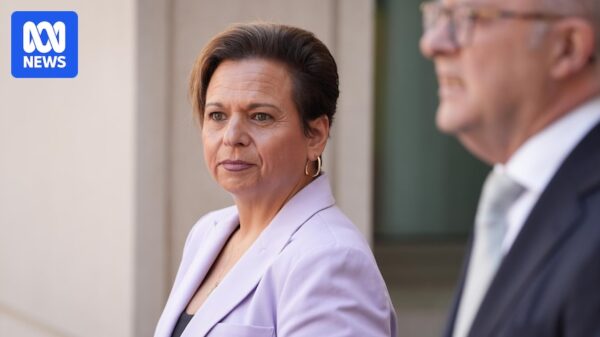
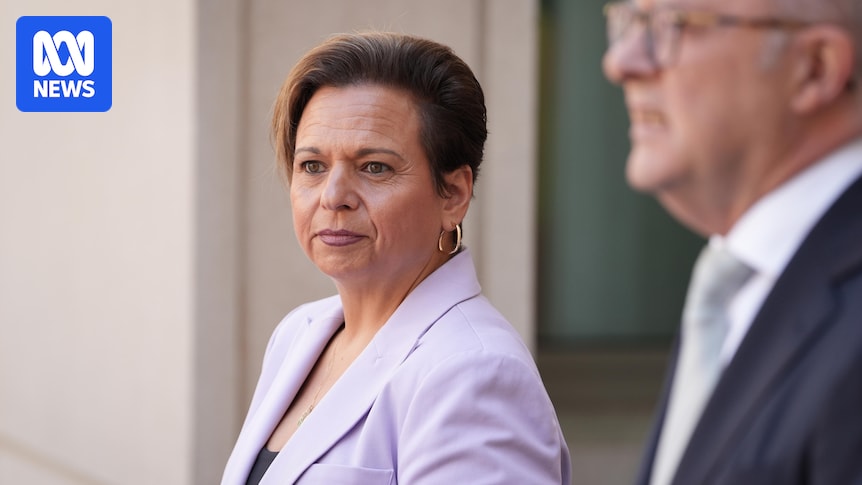
Discussions surrounding copyright are ongoing, with Attorney General Michelle Rowland engaging with the Copyright and AI Reference Group to explore ways to resolve infringement issues. Yet, achieving consensus within this group remains a challenge, and the future direction of copyright protections for creative works in the context of AI is still uncertain.
In a significant development for the sector, Dario Amodei, CEO of AI firm Anthropic, is set to visit Canberra next week, where he will meet with Prime Minister Anthony Albanese and Treasurer Jim Chalmers. His discussions are expected to encompass critical topics, including copyright reform, raising concerns among creatives who feel that the government’s current stance may not adequately safeguard their interests.
The decisions made in the coming months will play a pivotal role in shaping Australia’s trajectory in the AI landscape. The government faces a fundamental choice: to harness the potential benefits of AI while ensuring that the costs are borne equitably across society. As the discourse evolves, the stakes for both the economy and creative industries remain high.
See also AI Technology Enhances Road Safety in U.S. Cities
 China Enforces New Rules Mandating Labeling of AI-Generated Content Starting Next Year
 AI-Generated Video of Indian Army Official Criticizing Modi’s Policies Debunked as Fake
 JobSphere Launches AI Career Assistant, Reducing Costs by 89% with Multilingual Support
 Australia Mandates AI Training for 185,000 Public Servants to Enhance Service Delivery