













































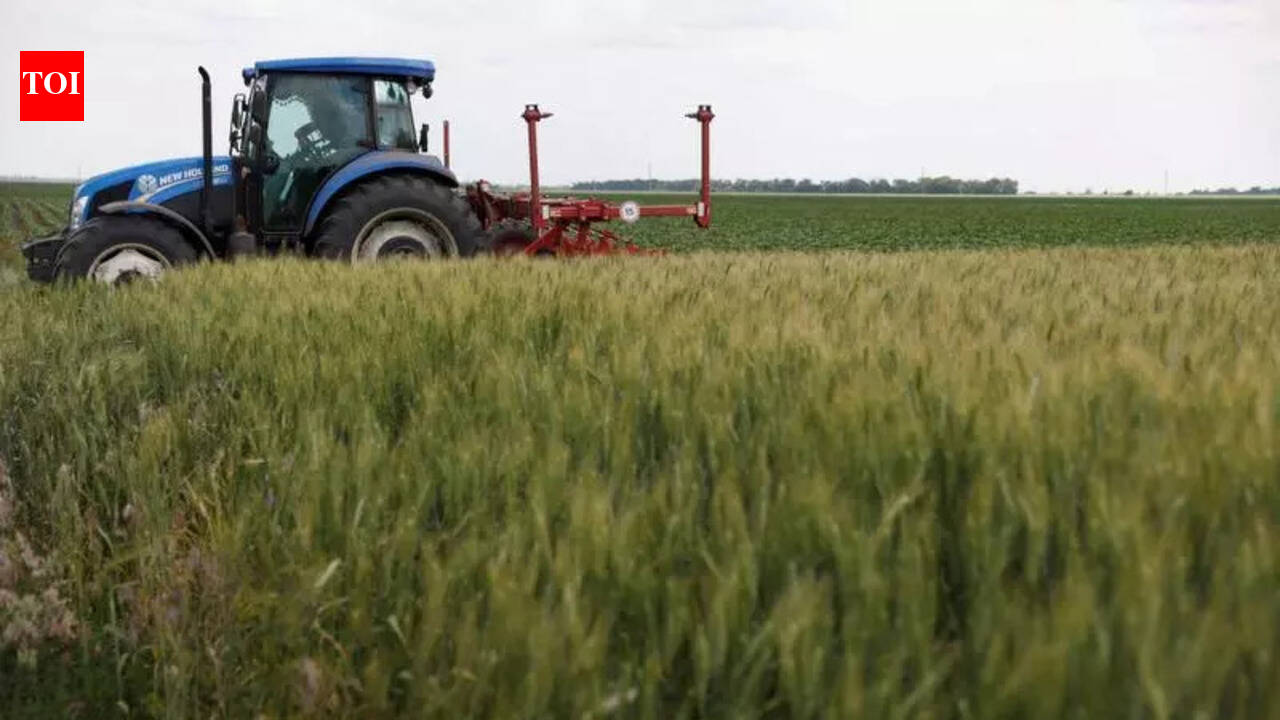
Ropar: The Indian Institute of Technology (IIT) Ropar announced on Monday its plan to deploy 100 advanced AI-based weather stations across Punjab by March 30, 2023. This initiative aims to create a statewide weather intelligence network that will be provided at no cost to farmers. Supported by the Government of India, the project falls under the auspices of ANNAM.AI, a dedicated Centre of Excellence at IIT Ropar.
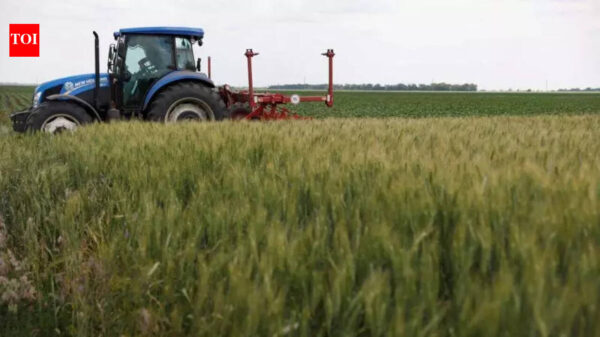
The automatic weather stations are designed to deliver hyperlocal, real-time data, empowering farmers to make informed decisions regarding sowing, irrigation, pest control, and harvesting. By providing accurate data, the initiative aims to mitigate crop losses attributed to unpredictable weather conditions by 7-9% and reduce irrigation water usage by 20-30%. ANNAM.AI stated that this weather network would enhance crop insurance modeling, disaster preparedness, irrigation planning, and Minimum Support Price (MSP) strategies.
ANNAM.AI has emphasized that the data gathered from these weather stations will fuel its multilingual advisory platform, which will offer AI-driven recommendations and issue early warnings regarding pests and diseases within days of installation. In addition to the weather stations, the initiative includes a provision for fully funded AI training aimed at 10,000 students, rural youth, and agricultural professionals, thereby fostering grassroots capacity in climate-smart agriculture.
Following the implementation in Punjab, the ANNAM.AI platform is set to broaden its reach to additional states, including Haryana, Uttar Pradesh, Kerala, Bihar, Odisha, Jammu and Kashmir, Himachal Pradesh, and Maharashtra. The goal is to achieve a pan-India interoperable agricultural intelligence system by June 2023.
In conjunction with this rollout, IIT Ropar will host a “Smart Agri Summit” on March 25, 2023, which will convene key stakeholders from government, policy, and technology sectors. The summit aims to transition Punjab agriculture from the legacy of the Green Revolution to an era of what organizers term “Green Intelligence,” focusing heavily on artificial intelligence and data-driven agriculture solutions. Punjab’s agriculture minister, Gurmeet Singh Khudian, is expected to be the chief guest, underscoring the government’s commitment to integrating advanced technologies into farming.
This initiative not only represents a significant technological advancement for agriculture in Punjab but also reflects a broader trend toward leveraging artificial intelligence within the agricultural sector. As climate variability becomes increasingly unpredictable, the need for sophisticated weather monitoring and data analytics is paramount for ensuring food security and efficient resource utilization.
The deployment of these AI weather stations at no cost to farmers aims to equip them with the tools necessary to adapt to changing climatic conditions, ultimately promoting sustainable agricultural practices. As the initiative unfolds, it could serve as a model for similar projects across the country, further integrating technology into agriculture and potentially setting the stage for a nationwide transformation in farming methodologies.
See also AI Technology Enhances Road Safety in U.S. Cities
 China Enforces New Rules Mandating Labeling of AI-Generated Content Starting Next Year
 AI-Generated Video of Indian Army Official Criticizing Modi’s Policies Debunked as Fake
 JobSphere Launches AI Career Assistant, Reducing Costs by 89% with Multilingual Support
 Australia Mandates AI Training for 185,000 Public Servants to Enhance Service Delivery