



















































Union Budget 2026-27: Will AI, Data Centres and Robotics Shape India’s Economic Future?
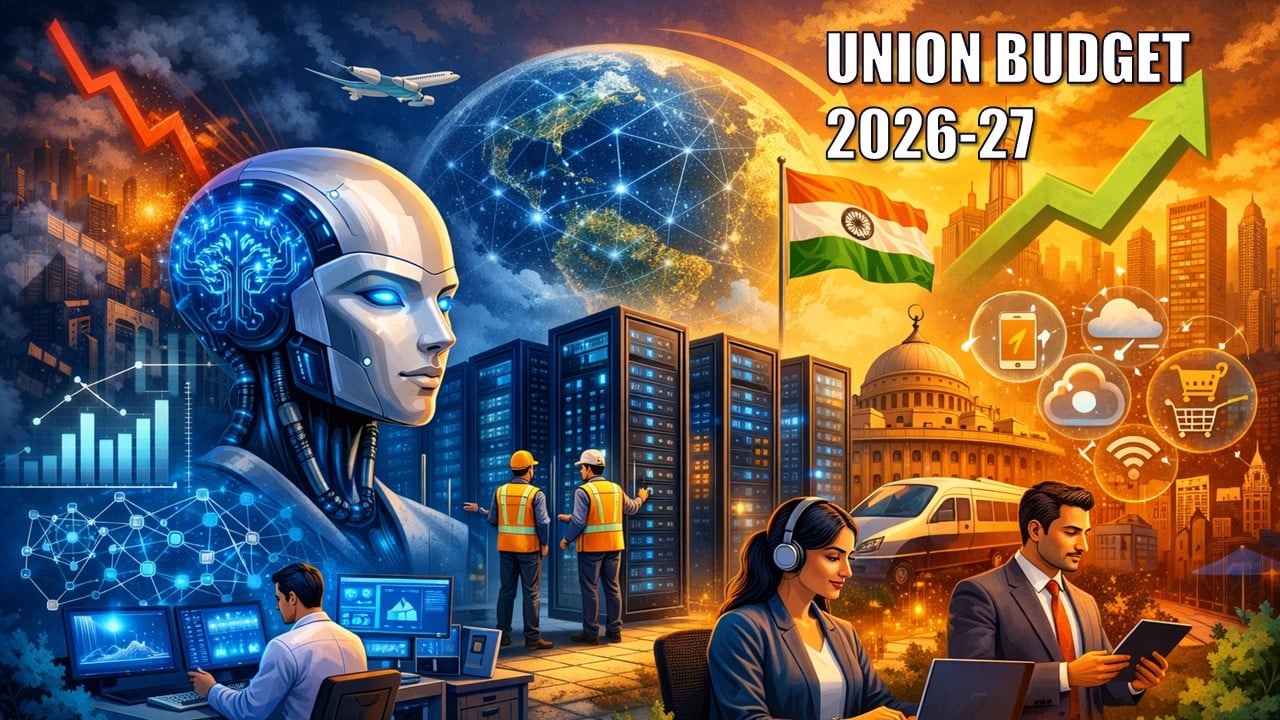
As India prepares for the Union Budget 2026-27, scheduled for release in February, the government is increasingly focused on integrating technology into its economic strategy. In a recent pre-budget meeting chaired by Prime Minister Narendra Modi, economists and industry experts emphasized the need for policy support in high-growth sectors such as data centres, artificial intelligence (AI), and robotics. These sectors are viewed as pivotal in bolstering India’s economic resilience amidst a rapidly changing global landscape.
The meeting underscored the importance of diversifying India’s service exports. Experts argued that by prioritizing high-value sectors like digital services and knowledge-based work, India can better insulate itself from the volatility of global trade. As geopolitical tensions and economic uncertainties threaten traditional markets, enhancing the focus on these modern sectors may offer a pathway to sustainable growth.
Should the government heed the recommendations from these discussions, the forthcoming budget is likely to allocate significant resources to innovative sectors such as AI and robotics. Currently, India’s goods exports face challenges from trade restrictions and fluctuating demand in developed nations. While service exports have mitigated some of these risks, a shift towards more high-value services is deemed essential for long-term stability.
Investing in digital services, AI, and other knowledge-based industries is expected to yield significant economic benefits, positioning India to navigate global challenges more effectively. The government’s role in this transition is crucial, particularly in supporting the development of robust data centres, which play a foundational role in the digital economy. Despite a surge in data consumption, India’s domestic data centre capacity remains limited. By offering incentives such as tax reliefs, lower energy costs, and streamlined approvals, the government can stimulate investment in this critical infrastructure.
Furthermore, enhanced data centres are likely to improve data security while reducing operational costs for startups and established businesses alike. The integration of AI technologies stands to elevate productivity across various sectors, including farming, healthcare, manufacturing, and governance. With appropriate funding directed toward AI research and fostering collaborations between academia and industry, India could cultivate its own AI solutions and reduce reliance on foreign technologies.
This strategy aims not just to elevate technological capabilities but also to reinforce the country’s economic foundation for years to come. As the government prepares to unveil its budget for the upcoming financial year, the potential focus on AI, data centres, and robotics could significantly influence India’s economic trajectory and enhance its competitiveness on the global stage.
See also RecordPoint Supports 80% of Victorian Government with AI-Driven Data Governance
 SKAX Launches First Government-Approved AI Competency Certification Platform in Korea
 Government Urges Musk to Address Grok AI’s Production of Sexualised Images Amid Growing Concerns
 BigBear.ai’s Stock Dips 14.8% Amid $250M Ask Sage Acquisition and Ongoing Losses
 Government Launches Investigation into Sexual Deepfakes Under New AI Law, Says Kihara