







































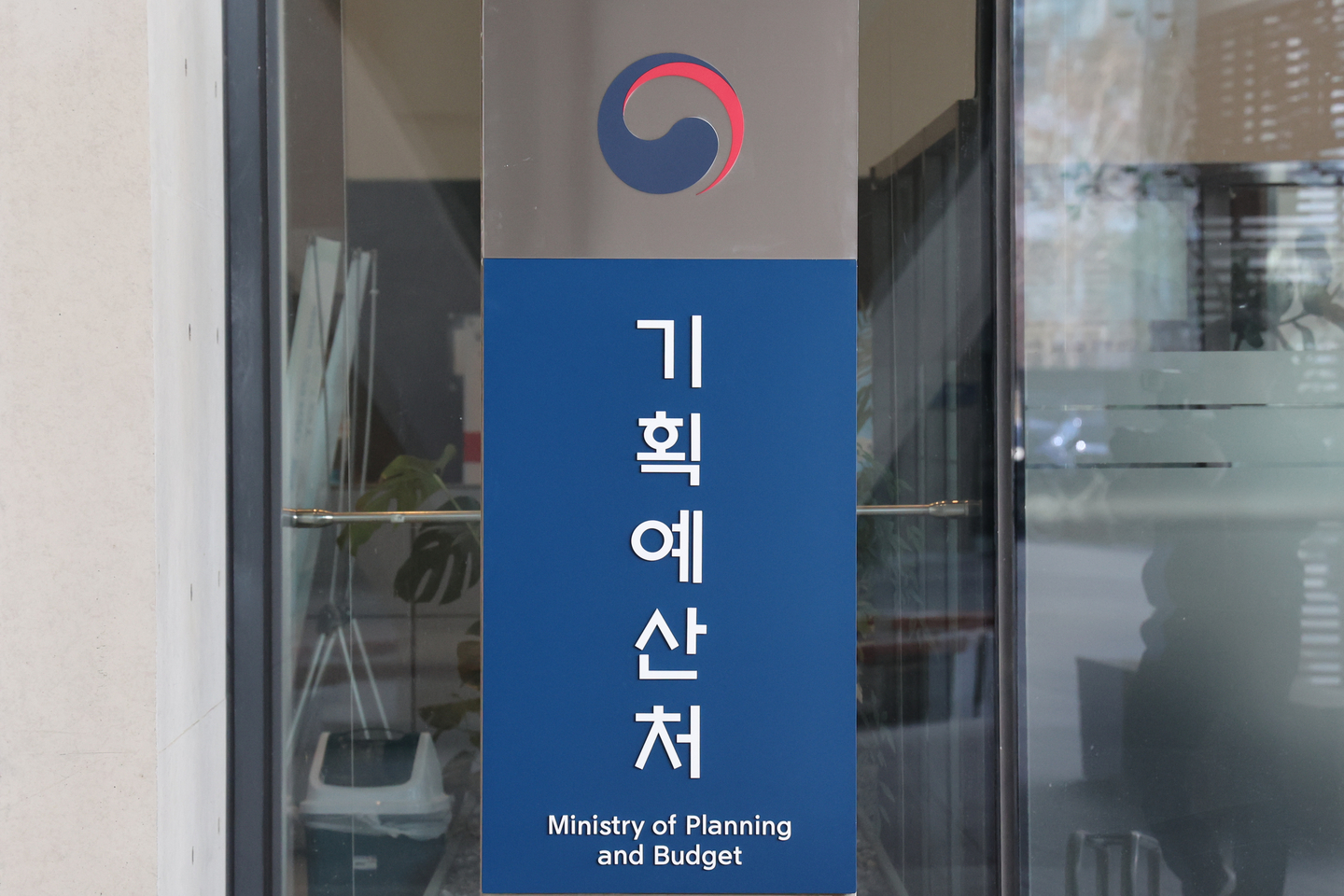
Korea will implement an expansionary fiscal policy next year, aiming to bolster a significant transition toward artificial intelligence (AI), the government announced on Monday. The proposed spending may reach approximately 800 trillion won ($529 billion), reflecting an increase in the fiscal management plan for 2025 to 2029.
The Cabinet approved guidelines that outline a budget of 764.4 trillion won for the upcoming year, marking a 5 percent rise from the 2026 budget of 728 trillion won. Notably, this figure does not include an anticipated supplementary budget of around 25 trillion won, which is currently being prepared. With the continuation of expansionary fiscal policies and expected improvements in tax revenues, next year’s budget could potentially increase to 800 trillion won.
“At this point, what we can say is that we will pursue active fiscal management, as well as sustainable expansionary fiscal policy, but it is difficult to predict the exact size of next year’s fiscal spending,” remarked Cho Yong-beom, a senior official at the Ministry of Planning and Budget. He elaborated that the budget guidelines are indicative of an economic recovery, fueled by a resurgence in domestic demand and sustained export growth, particularly due to rising chip demand.
However, Cho highlighted ongoing structural uncertainties, such as tariffs imposed by major economies, geopolitical tensions in the Middle East, and a declining population, all of which necessitate proactive policy responses. The government’s vision includes cultivating a highly innovative economy that can adapt to industrial changes, particularly those associated with the AI transformation.
To bolster its position as one of the top three global powers in AI, the South Korean government plans to promote AI adoption across all sectors of the economy. This initiative will be supported by an expansion of a national growth fund and the establishment of a special semiconductor account aimed at ensuring stable investment conditions in critical sectors.
The government is also focusing on balanced regional development, moving away from a growth model that has predominantly centered around the Seoul metropolitan area. This initiative seeks to develop five major regional hubs along with three special self-governing provinces. Key national universities in these areas will be transformed into centers for education and research, fostering talent that local industries require and stimulating regional economies.
In addition to economic growth, the guidelines emphasize enhanced support for vulnerable sectors to tackle the widening inequality seen in society. On the industrial front, the government is committed to nurturing a startup-friendly ecosystem for entrepreneurs and small business owners. Funding will be allocated to promising entrepreneurs, and assistance will be provided to small- and medium-sized enterprises to encourage AI adoption and expand into new export markets.
In response to challenges faced by young individuals entering the job market, particularly those identified as economically inactive, the government is set to enhance customized education and training programs. To facilitate these objectives, the Ministry of Planning and Budget announced plans for a comprehensive restructuring of government spending.
The government aims to decrease mandatory spending by approximately 10 percent and reduce discretionary spending by about 15 percent, signaling an intensive restructuring process for the next fiscal year. This effort is expected to surpass the record restructuring seen this year, which amounted to 27 trillion won.
As South Korea embarks on this ambitious fiscal pathway, the focus on AI and regional development reflects a strategic move to adapt to rapid industrial shifts and foster inclusive growth, thereby positioning the nation favorably in an increasingly competitive global landscape.
See also AI Technology Enhances Road Safety in U.S. Cities
 China Enforces New Rules Mandating Labeling of AI-Generated Content Starting Next Year
 AI-Generated Video of Indian Army Official Criticizing Modi’s Policies Debunked as Fake
 JobSphere Launches AI Career Assistant, Reducing Costs by 89% with Multilingual Support
 Australia Mandates AI Training for 185,000 Public Servants to Enhance Service Delivery