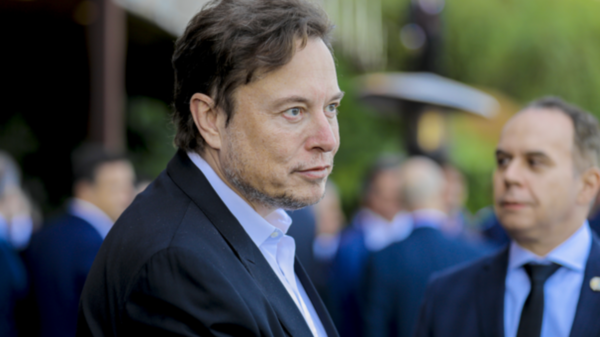









































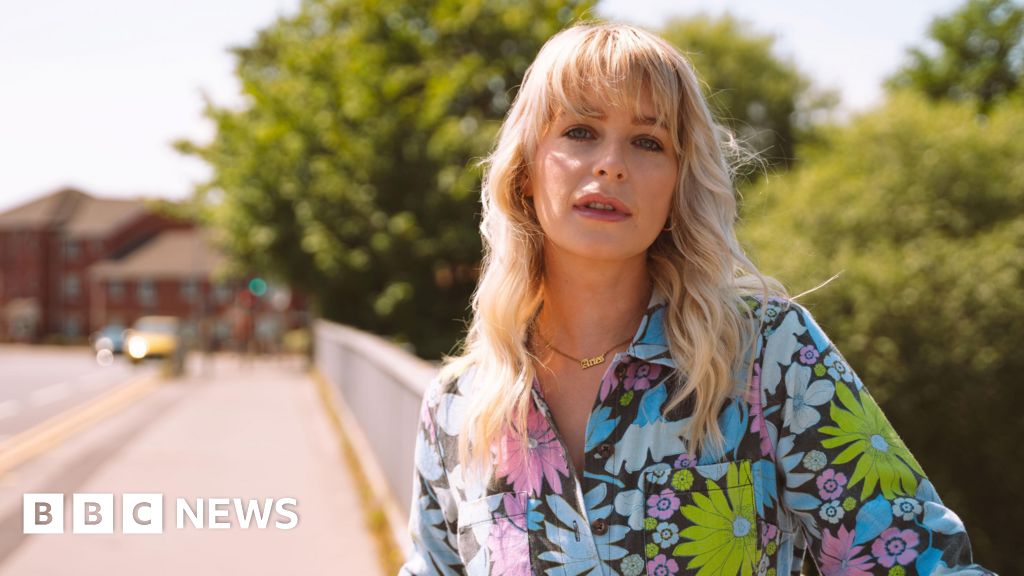
A Welsh presenter has criticized the UK government for its delayed response to the issue of deepfake sexual images created by Grok AI, a chatbot developed by the social media platform X, owned by Elon Musk. Jess Davies stated that more timely action could have prevented further victims, as explicit images of her were generated and shared without her consent when the software was accessible to over half a billion users on the platform. Following public outcry, X announced that only paying users would have access to Grok AI’s image function, a move Davies labeled as “monetising image abuse.”
The UK government is set to enact a new law this week that will make the creation of such AI-generated images illegal, despite the legislation having been ready since June 2025. This has raised questions regarding the proactive measures needed to safeguard individuals from non-consensual image manipulation. When contacted for comment, X referred to a statement declaring that any user prompting Grok AI to generate illegal content would face consequences akin to those imposed on individuals who upload illegal material.
Davies, who resides in Penarth, Vale of Glamorgan, expressed her outrage in an X post on New Year’s Eve, highlighting a troubling surge in non-consensual intimate images on the platform. “It’s awful to say that you become desensitised to seeing this graphic content all the time,” she remarked. “But you still can’t really prepare yourself to have your consent removed from you like this, and the addition that it’s from total strangers who are anonymous online.” This incident is not isolated; Davies has been a long-time advocate for strengthening the Online Safety Act, which aims to create a safer digital environment for users, particularly children.
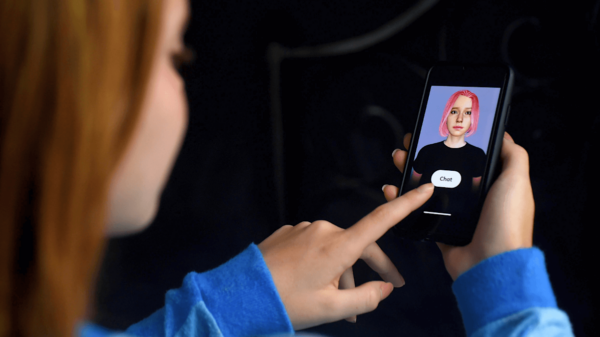
Grok AI, which launched in November 2023, enables users to interact with the AI through prompts on X, often for reactions or contextual responses. However, reports have surfaced indicating that the tool has been exploited for creating explicit images of individuals without their consent. While it is illegal to share intimate, non-consensual deepfakes in the UK, the use of AI tools to generate such content had not been classified as a criminal offence until this week’s announcement.
The UK’s online regulator, Ofcom, has initiated an investigation into whether Grok AI has violated online safety laws. Musk has defended the platform, asserting that the investigation infringes on freedom of speech. The chatbot’s image-generating function was initially available to all users, but it has now been restricted to those who pay a monthly subscription, although there are still reports of free usage through the app.
Community Concerns and Government Action
Davies remarked that while the new law is a positive development, it comes after a protracted wait of six months during which numerous victims could have been protected. “I don’t know why the government dragged their feet for so long,” she stated. “We already knew that the legislation was out and ready to go, and it would’ve protected victims. Think of how many victims are out there already from this.” She also noted that she was able to produce images of herself in lingerie and in a micro thong using the Grok app, emphasizing the need for stricter regulations.
Dr. Daisy Dixon, a philosophy lecturer at Cardiff University, voiced her own experiences with Grok AI during a recent appearance on BBC Radio 4’s Women’s Hour. She reported an escalation in non-consensual images being created and received death and rape threats as a direct response to her speaking out about the technology. “I have seen a real escalation in what users are doing,” Dixon said, stressing that many men are reacting with anger. She further pointed out that such incidents reflect broader societal attitudes towards women and girls, calling it a “direct response” to the announcement of the new law.
Liz Kendall, the UK Secretary of State for Science, Innovation and Technology, remarked that the images generated by Grok AI are “an affront to decent society.” Prime Minister Sir Keir Starmer warned that X could lose its “right to self-regulate” if it fails to control its AI chatbot. “Lives can and have been devastated by this content, which is designed to harass, torment and violate people’s dignity,” Kendall stated. “They are not harmless images; they are weapons of abuse disproportionately aimed at women and girls, and they are illegal.” As the conversation around digital safety intensifies, the repercussions of AI technology on personal privacy continue to spark significant debate.
See also Governments Urged to Reassess AI Integration After Tax Fraud Disasters
 RCP Reports 70% of UK Physicians Support AI in NHS, Urges Digital Infrastructure Overhaul
 UK Government Commits £3.25 Billion to Scale AI Across Public Services Amid Execution Challenges
 Missouri Executive Order Launches AI Strategy to Enhance Efficiency and Training Programs
 US Imposes 25% Tariffs on Nvidia, AMD AI Chips to Boost Treasury Amid Trade Tensions