






































A federal judge on Thursday blocked the Trump administration from designating the artificial intelligence company Anthropic as a “supply chain risk” and from imposing restrictions on federal contractors using its technology. US District Judge Rita Lin ruled in favor of Anthropic, issuing a ruling that halted a presidential directive mandating all federal agencies to discontinue the use of the company’s Claude AI model.
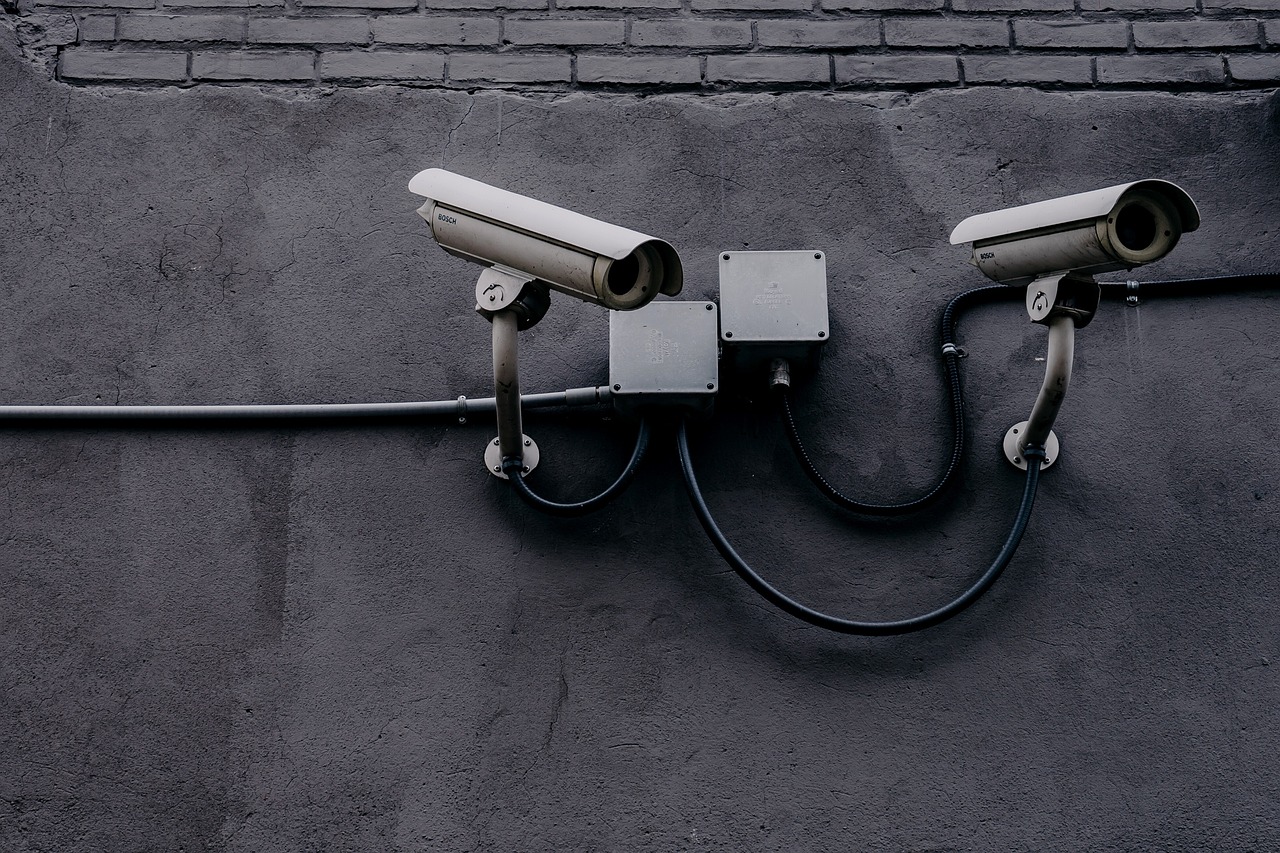
The legal conflict arose during contract negotiations between Anthropic and the US Department of Defense. The Pentagon aimed to accelerate its utilization of AI to enhance intelligence data processing and improve military efficiency. During these discussions, Anthropic insisted on implementing safety guardrails, including a stipulation that prohibited its technology from being used for the mass surveillance of American citizens. A Pentagon official responded that the military only issues lawful orders, highlighting a fundamental disagreement in the negotiations.
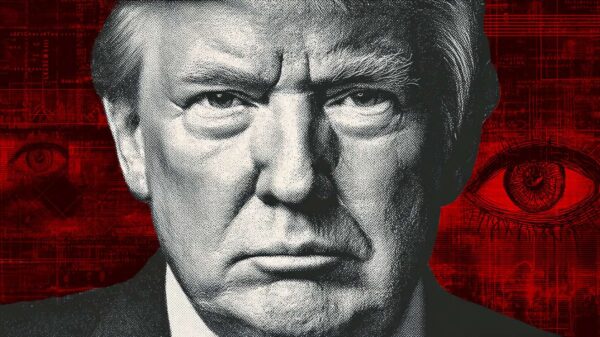
Public comments from former President Donald Trump in February intensified the situation. Trump criticized Anthropic for what he termed a “disastrous mistake” in attempting to compel the Defense Department to adhere to its corporate policies, arguing that such actions jeopardized American lives. Subsequently, the administration labeled the company as a national security threat and identified it as a supply chain risk.
In response to the government’s actions, Anthropic filed a lawsuit against the federal administration, contending that the designation violated the Administrative Procedure Act (APA) and the First Amendment. The company characterized the ban as retaliation for asserting its rights regarding the ethical application of its technology.
Judge Lin sided with Anthropic, declaring in her decision that the administration’s measures “appear designed to push Anthropic,” asserting that penalizing the company for shedding light on the government’s contracting policies constituted “classic illegal First Amendment retaliation.” She emphasized that the government had not provided adequate evidence to substantiate the “supply chain risk” designation and had bypassed necessary legal procedures for such determinations.
This ruling underscores the complex intersection of technology and governance, particularly as the Pentagon pushes to enhance its capabilities through advanced AI. The implications of this decision may resonate beyond the current case, as the military continues to explore partnerships with private technology firms to bolster national security efforts. As the legal landscape surrounding AI and its applications evolves, many stakeholders in the tech industry will likely be watching closely to see how this case influences future interactions between government entities and AI developers.
See also AI Technology Enhances Road Safety in U.S. Cities
 China Enforces New Rules Mandating Labeling of AI-Generated Content Starting Next Year
 AI-Generated Video of Indian Army Official Criticizing Modi’s Policies Debunked as Fake
 JobSphere Launches AI Career Assistant, Reducing Costs by 89% with Multilingual Support
 Australia Mandates AI Training for 185,000 Public Servants to Enhance Service Delivery