














































As artificial intelligence continues to evolve, AI email tools are gaining traction for their ability to enhance communication efficiency. These advanced tools can connect to users’ inboxes, meetings, or documents, allowing them to grasp the context of past discussions and generate replies that make sense within specific conversations. This capability is particularly beneficial in professional settings, where clarity and relevance are paramount.
Users have found that well-utilized AI email tools can significantly improve the tone and clarity of their communications. However, reliance on generic AI-generated responses without human editing may lead to emails that feel impersonal, potentially undermining trust between correspondents. The balance between efficiency and personal touch remains a critical consideration for users navigating this technology.
In addition to crafting messages, many AI tools are now designed to reduce email overload. They offer features that summarize lengthy threads, highlight essential points, and suggest quick replies. This functionality not only aids users in responding more efficiently but also helps in processing communications more swiftly, addressing a pervasive issue in workplaces inundated with emails.
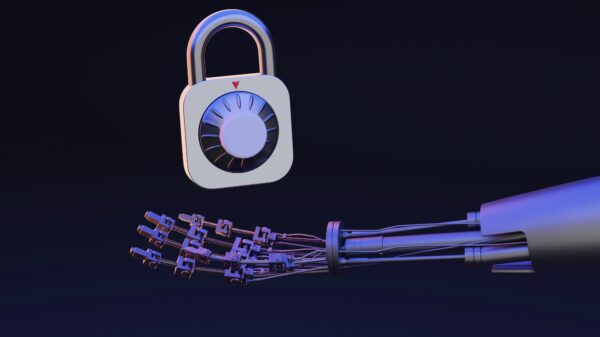
While AI-generated emails demonstrate considerable potential, concerns about security, especially regarding sensitive or confidential communications, persist. The safety of using these tools largely hinges on the specific platform employed. Some tools come equipped with robust privacy controls, while others may process data externally, raising red flags for users handling sensitive information. As such, assessing how a tool manages and stores data is crucial for organizations prioritizing confidentiality.
Moreover, the adaptability of AI email tools to different communication styles and cultural contexts is another notable feature. Advanced platforms can modify their tone based on the intended audience, making emails more formal for corporate settings or more casual for friendly exchanges. However, these tools may not capture every cultural nuance, necessitating a final review by human users to ensure appropriateness before sending.
As AI technology advances, its integration into everyday communication tools like email is likely to deepen. The ongoing development of these tools suggests a future where managing email will become less daunting, allowing users to focus on more strategic tasks. However, as with any technology, the challenge remains in leveraging these innovations while maintaining the human elements that underpin effective communication. Balancing efficiency with personalization will be essential as businesses and individuals navigate the evolving digital landscape.
See also Enhance Your Website”s Clarity for AI Understanding and User Engagement
 FoloToy Halts Sales of AI Teddy Bear After Disturbing Child Interactions Found
 AI Experts Discuss Vertical Markets: Strategies for Targeted Business Growth
 Law Firms Shift to AI-Driven Answer Engine Optimization for Enhanced Marketing Success
 Anthropic Disrupts State-Sponsored Cybercrime Using Claude AI, Reveals Key Insights