





























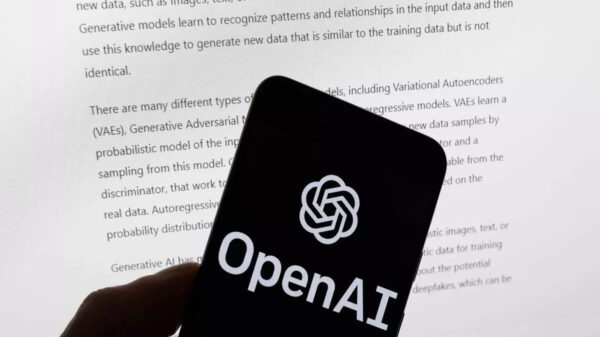








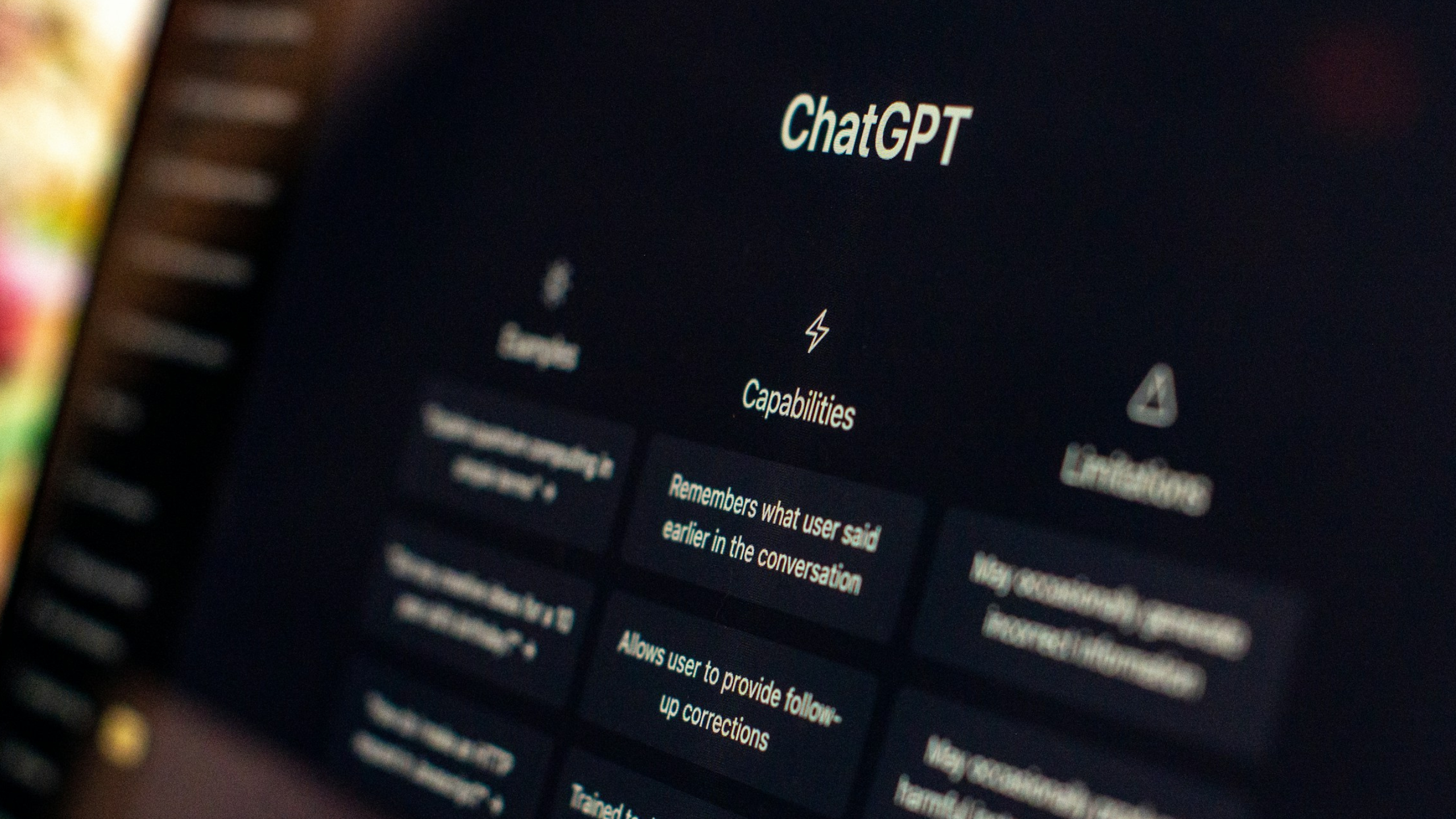
OpenAI is reportedly testing a significant change to its ChatGPT application, with evidence suggesting the potential introduction of advertisements within the app. This development, uncovered in the latest Android beta version, could alter the user experience dramatically, as early reactions indicate concerns about the shift from an ad-free environment.
References to an “ads feature” were identified in the code, accompanied by phrases like “bazaar content,” “search ad,” and “search ads carousel.” The discovery was made by an X user known as Tibor, who has previously provided accurate insights into earlier versions of OpenAI’s products.
Historically, ChatGPT has maintained an ad-free interface, focusing instead on paid tiers and advanced models. This sets it apart from competitors, such as Google Search, which heavily relies on advertisements and sponsored links for visibility. The potential shift towards incorporating digital advertising into ChatGPT represents OpenAI’s intention to explore a monetization strategy within conversational search.
According to the leaked information, the initial rollout of advertisements is likely to integrate with the search experience, positioning promotions directly within responses or in an adjacent carousel, much like traditional search engines. However, the specifics regarding visibility and potential expansion into regular conversations remain uncertain.
Some analysts have pointed out that advertisements embedded within AI-driven searches might exert a more substantial influence than traditional banner ads or sponsored links. Given the conversational nature of ChatGPT, the integration of ads could create a more direct interaction, potentially changing the dynamic of user inquiries that once felt neutral.
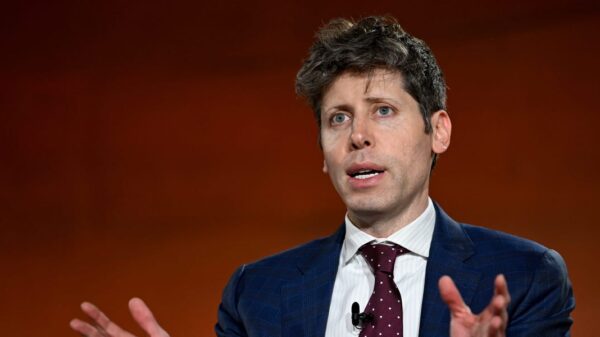
While OpenAI has not officially commented on the leaked details, CEO Sam Altman has previously discussed the company’s intentions regarding advertising. In various interviews, he indicated that the service would “try ads at some point,” though he admitted uncertainty about their specific format. Altman characterized advertisements as a minor opportunity compared to other long-term revenue strategies.
Altman has frequently contrasted ChatGPT with Google’s advertising model, stating that Google’s system often incentivizes results that fall short of user expectations. In a podcast with economist Tyler Cowen, he argued that the existence of ads is a result of organic search results being inadequate. He expressed concern that if Google consistently provided optimal answers, the need for paid slots would diminish, creating a conflict between users and advertisers.
He emphasized that OpenAI’s approach to advertisements would prioritize maintaining the integrity of search results. Altman asserted that if users sensed a manipulation of response quality in favor of paying partners, it would erode trust in the platform. He described any system that placed inferior recommendations above superior ones for monetary reasons as “catastrophic” for user confidence.
In pursuit of a sustainable ad model, Altman proposed a system where users receive the best recommendation first. If a user chooses to act on this recommendation—such as booking a hotel or purchasing a product—OpenAI could earn a small commission. Crucially, he noted that this commission would not influence the ranking of the recommendations presented.
He mentioned that travel bookings might serve as an early example, with ChatGPT identifying the most suitable hotel based on user criteria and providing a direct booking option, ensuring that the commission would follow the transaction rather than affect the recommendation order.
Balancing Monetization and User Trust
Altman has reiterated that there will be no “pay-to-play” links in ChatGPT. Any advertising system that alters rankings based on payment, he argues, would undermine the trust foundational to a conversational assistant. He criticized such models as “really bad” and vowed that OpenAI would steer clear of them.
Although he has distanced himself from the day-to-day product strategy, he expressed confidence in the team responsible for developing an advertising model that preserves user trust. The anticipated changes could give ChatGPT a more commercial ambiance, transforming sessions that were once strictly informational.
For OpenAI, this represents a pivotal step toward monetizing the assistant while striving to uphold the quality of responses. While the company has yet to announce specific timelines or details for the ad rollout, the evidence from early beta testing indicates that this transition may be nearer than many anticipated.
See also HCLSoftware Introduces Agentic AI to Simplify APAC Marketing Tech Stacks and Enhance Compliance
 AI Marketing with Kourtney Launches Human-Centered AI Solutions for Small Businesses
 Marketers Misinterpret AI SEO: 85% of Visibility Comes from Off-Site Credibility
 Real Madrid Expands Partnership with Adobe to Personalize Content for 650 Million Fans
 AI-Driven Tools Achieve 20% Conversion Boost by Automating Lead Nurturing