
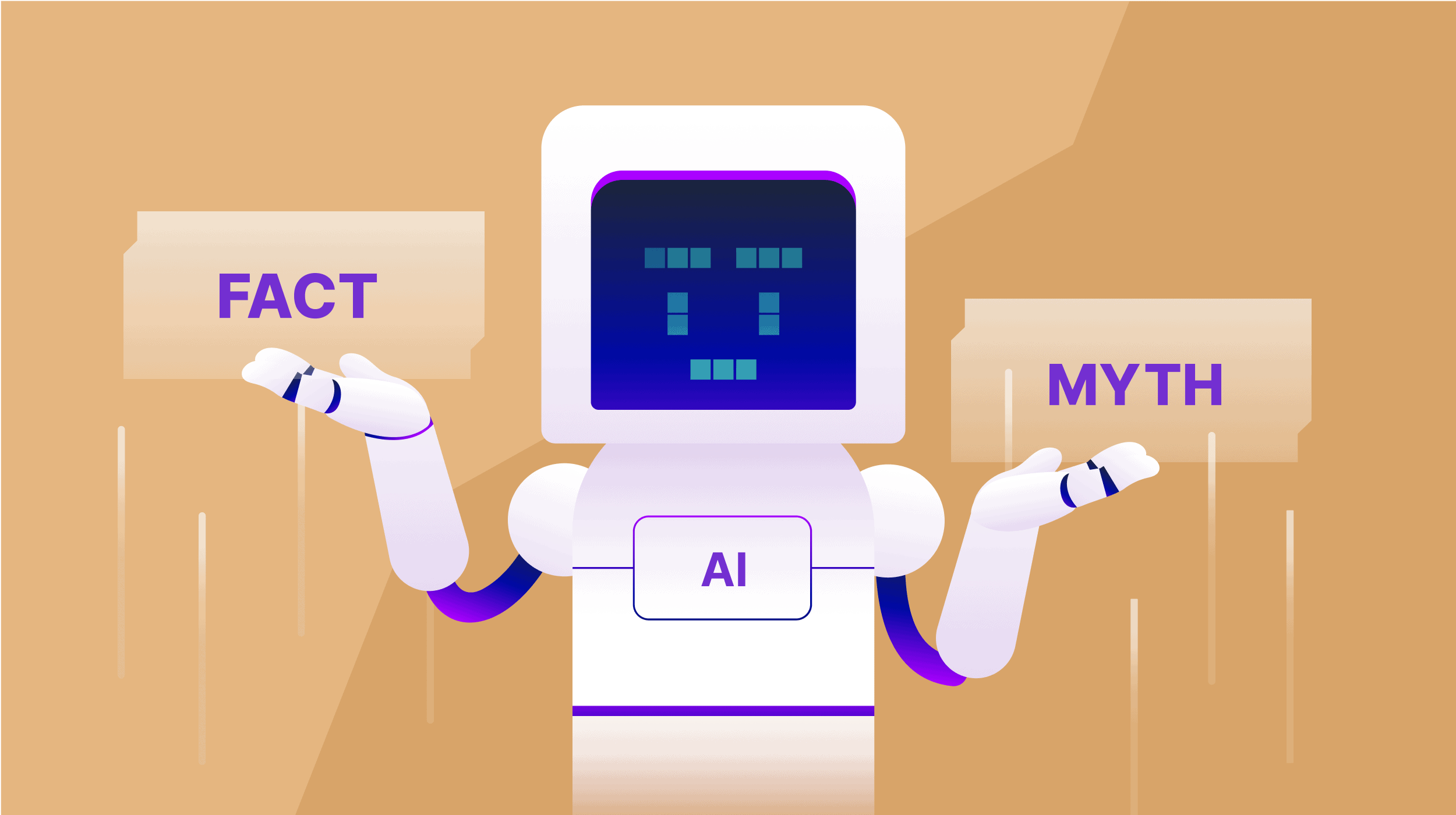
As artificial intelligence transforms the marketing landscape, misconceptions about AI and its impact on search engine optimization (SEO) are proliferating. Marketers are quick to make sweeping claims such as “SEO is dead” and “AI SEO is just good SEO,” but these assertions often miss the complexities of the current environment. Despite these bold declarations, the reality is that SEO remains a vital component of digital marketing, though it has certainly evolved.
According to recent data, the global SEO market is still on a growth trajectory, expanding at a rate of 16.7% annually, even as search behaviors become increasingly fragmented. The advent of AI tools like ChatGPT has not diminished the overall volume of searches on platforms such as Google; rather, it has altered how users engage with content. A study from Semrush indicates that Google usage remains stable, and may even rise, as more consumers begin using AI tools for information gathering. This suggests that AI is complementing traditional search methods rather than replacing them.
This evolving landscape underscores the critical importance of adapting SEO strategies to account for both on-site and off-site visibility. While traditional SEO elements—like metadata and structured HTML—continue to play a role in how AI systems evaluate content, off-site credibility is becoming equally crucial. Research from AirOps reveals that 85% of brand mentions in AI search come from third-party domains rather than owned pages, emphasizing the need for businesses to cultivate their reputations across various platforms.
Moreover, not all AI systems operate under the same rules. Different platforms utilize unique data pipelines and algorithms to determine visibility, meaning that a one-size-fits-all approach is ineffective. For instance, Google’s AI tools often reflect its traditional ranking system, favoring well-established pages, while other platforms like ChatGPT may pull from a wider range of sources, including lower-ranking pages. This distinction necessitates a tailored approach to how brands seek to be recognized in AI responses.
Although the digital landscape is shifting, the foundational elements of SEO are still relevant. In a world where AI tools are gaining traction, the necessity for quality content remains paramount. However, simply creating excellent content is not enough. Brands must ensure their content is frequently cited and referenced across the web to establish authority, which will ultimately influence AI-generated responses. While high-quality content serves as a gateway to visibility, brand association and consistent recognition across platforms build a deeper moat against competition.
The future of SEO lies in what experts are calling “search everywhere optimization.” This approach emphasizes the need for businesses to create a strong presence not just on Google, but across various channels—be it social media, forums, or community platforms. By generating engaging content and participating actively in discussions, brands can foster the kind of visibility that AI systems favor.
As the debate over the role of AI in SEO continues, marketers are advised to focus on data-driven strategies rather than succumb to the hype. The reality is that while AI is changing the rules of engagement, it is not dismantling the need for robust SEO practices. For companies willing to adapt and innovate, the future can still be bright, paving the way for new avenues of discovery and engagement in an increasingly digital world.
See also Real Madrid Expands Partnership with Adobe to Personalize Content for 650 Million Fans
 AI-Driven Tools Achieve 20% Conversion Boost by Automating Lead Nurturing
 Top 7 AI Email Generators of 2025 Streamline Workflow and Boost Productivity
 AI Revolutionizes PPC Advertising: Evolving from A/B Testing to Nuanced Insights
 DashClicks Launches Advanced White-Label SEO Platform with 1500+ Agency Reviews