












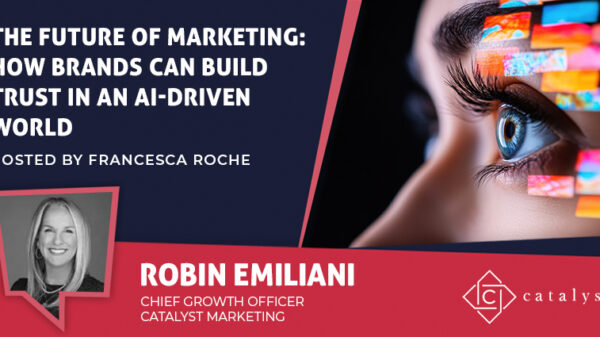




















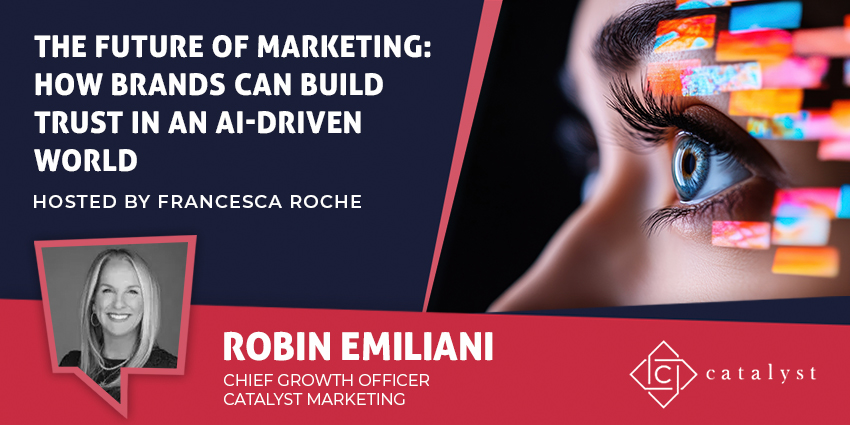
Francesca Roche spoke with Robin Emiliani, Co-Founder and Chief Growth Officer at Catalyst Marketing, to examine the insights from OptiMove’s 2026 Marketing Fatigue Report. The discussion highlighted a critical assertion of the report: marketing fatigue is not merely a result of excessive messaging but stems from brands’ inability to provide relevance, context, and timing in their communications. Emiliani affirmed this viewpoint, noting that brands frequently regard their audiences as a monolithic group rather than recognizing individual needs and moments of intent. She pointed to the prevalence of inbox overload and repetitive cross-channel messaging as indicators of poor coordination rather than simply excessive communication.
Emiliani cautioned that the primary threat for brands is the risk of becoming irrelevant. High unsubscribe rates and audience disengagement often indicate that consumers have learned to overlook a brand’s communications. According to her, messages delivered at inappropriate times can erode trust, diminish open rates, and squandering marketing budgets. She asserted that real-time orchestration of messaging is now a competitive necessity, suggesting that brands that successfully align their messages with the right moments and audiences are more likely to cultivate lasting relationships and drive conversions.
The conversation also delved into the nuances of personalization in marketing. Emiliani distinguished between helpful relevance and invasive targeting, arguing that context and consent are fundamental to effective personalization. She noted that issues arise when brands rely on data that consumers did not consciously share or when retargeting continues long after a single interaction. Emiliani emphasized that the problem lies not in personalization itself, but in the surveillance it can imply. While customers appreciate useful reminders, price alerts, and relevant updates, they tend to disengage from brands that send generic promotions or redundant messages across channels without considering engagement signals.
As the discussion progressed, the role of artificial intelligence (AI) in mitigating or exacerbating marketing fatigue was also explored. Emiliani described AI as a force multiplier that can enhance effective strategies but can also amplify weaknesses. She highlighted that AI has the potential to improve targeting, optimize campaigns in real time, and trigger timely behavioral messages; however, it can equally scale poor data, faulty assumptions, and excessive frequency in messaging. To counter these risks, she called for implementing safeguards such as frequency caps, suppression rules, data cleanliness, and human oversight.
Looking to the future, Emiliani predicted that trust would emerge as the primary competitive differentiator among brands. As AI-driven personalization becomes increasingly ubiquitous, those that respect consumer boundaries, offer transparency, and prioritize customer preferences will distinguish themselves from competitors that merely focus on increasing message volume. This evolving landscape presents both challenges and opportunities for marketers as they navigate the delicate balance between engagement and overcommunication.
See also Enhance Your Website”s Clarity for AI Understanding and User Engagement
 FoloToy Halts Sales of AI Teddy Bear After Disturbing Child Interactions Found
 AI Experts Discuss Vertical Markets: Strategies for Targeted Business Growth
 Law Firms Shift to AI-Driven Answer Engine Optimization for Enhanced Marketing Success
 Anthropic Disrupts State-Sponsored Cybercrime Using Claude AI, Reveals Key Insights