












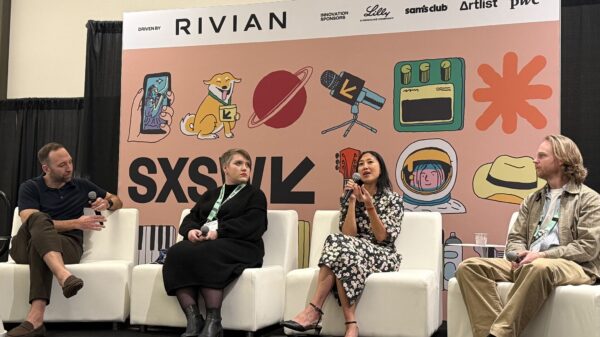




















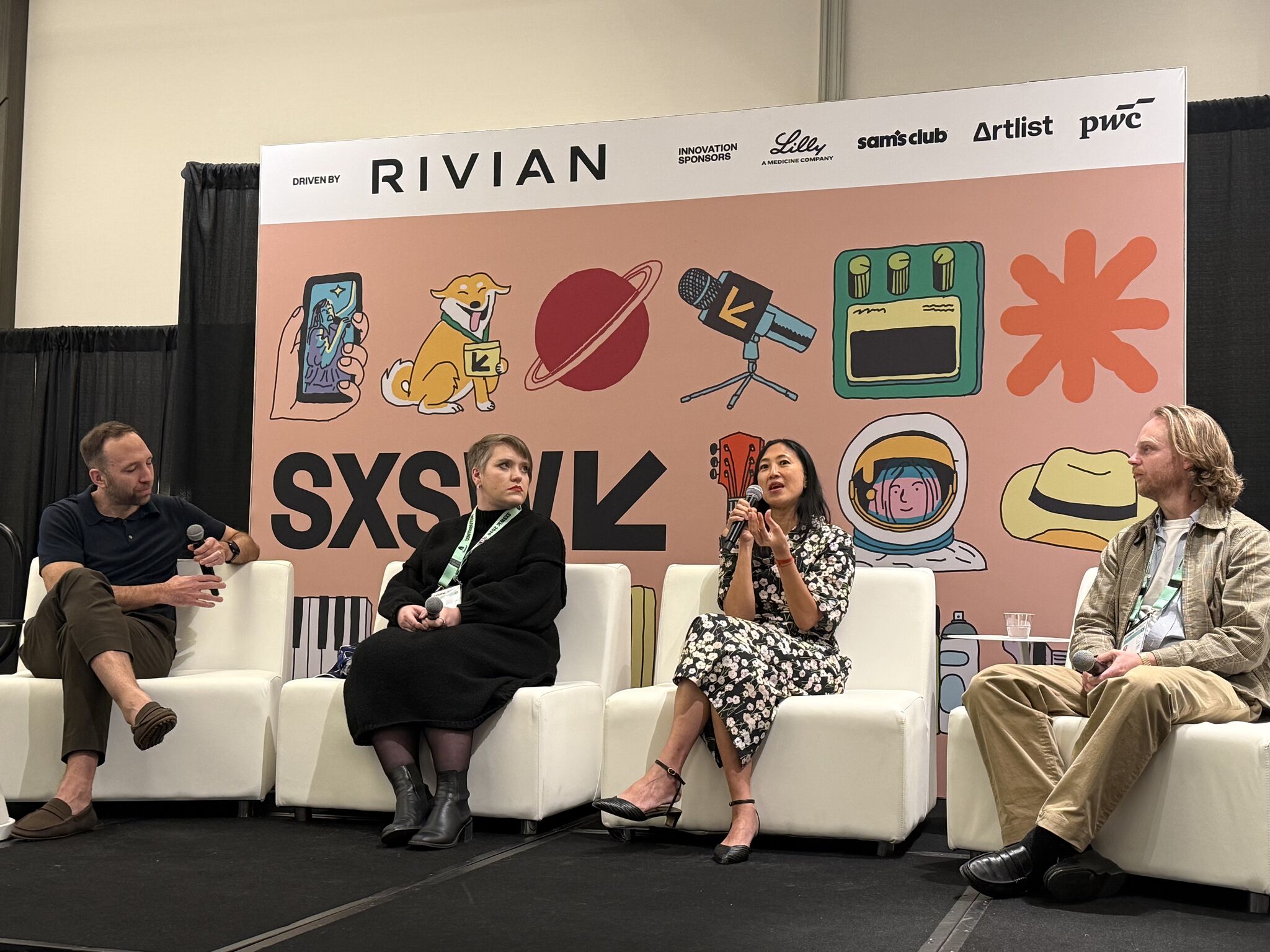
March, 2026.- A featured session titled “AI is Changing Consumer Behavior” at SXSW 2026 brought together industry leaders to examine the evolving dynamics between technology and consumers. The panel, which included Ben Nilsen from BBDO New York, Grace Kao of Snap Inc., Nataliya Kosmyna from the MIT Media Lab, and Allister Hercus of Stoop Studios, highlighted how artificial intelligence is not only reshaping production workflows but also fundamentally altering consumer habits and expectations in their interactions with brands.
The conversation focused on the attention paradox prevalent in today’s saturated digital landscape. As the capacity for content generation via generative models escalates, the human ability to process this information remains constant. This disparity poses a significant challenge for modern marketing; simply increasing the volume of automated messages does not ensure their relevance. Panelists stressed the necessity for companies to prioritize the strategic quality of their content over sheer quantity, warning that in a crowded marketplace, message saturation can dilute brand impact.
Concerns were raised about the homogenization of brand aesthetics and narratives stemming from the widespread adoption of common AI tools. As algorithms often produce average results, the risk that all brands may begin to appear and sound indistinguishable is looming. The panel concluded emphatically that “average” is unlikely to succeed in brand positioning, making distinct human creativity and disruptive vision invaluable assets in this era marked by technological change.
Another key theme was the evolution of interaction models, shifting towards a Human-AI-Human framework. In this paradigm, intelligent agents are expected to mediate consumer decisions prior to purchases. As a result, brand perception is becoming the primary competitive differentiator. With recommendations increasingly sourced from virtual assistants, the factors of brand identity and trust are emerging as critical components influencing both automated systems and consumer choices.
Panelists also noted that in an age dominated by machine-generated content, genuine human connection is set to become a rare luxury and a significant market differentiator. Data from platforms like Snap indicate that the rise of AI does not preclude a growing appreciation for human creators. The brands that will thrive in the near future are those that effectively utilize technology to enhance rather than replace the emotional bonds they share with their audiences.
As the intersection of technology and consumer behavior continues to evolve, the need for brands to navigate these complexities becomes increasingly essential. Companies that harness innovation to foster deeper human connections, while also adapting to changes in consumer expectations, will likely be best positioned for success in a digitally saturated landscape.
See also Enhance Your Website”s Clarity for AI Understanding and User Engagement
 FoloToy Halts Sales of AI Teddy Bear After Disturbing Child Interactions Found
 AI Experts Discuss Vertical Markets: Strategies for Targeted Business Growth
 Law Firms Shift to AI-Driven Answer Engine Optimization for Enhanced Marketing Success
 Anthropic Disrupts State-Sponsored Cybercrime Using Claude AI, Reveals Key Insights