













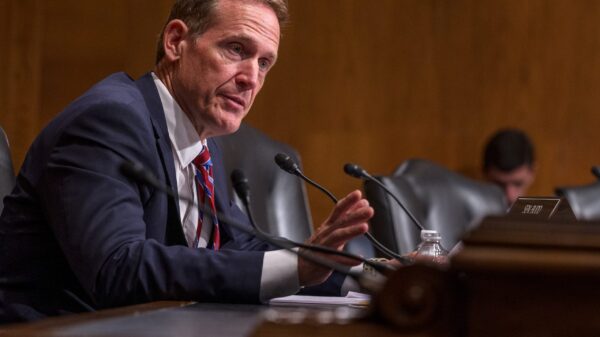














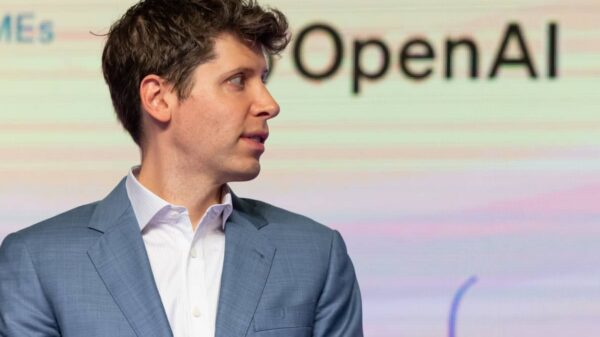


Technology-driven jobs are significantly transforming employment opportunities for individuals with disabilities, as policymakers increasingly advocate for AI skills as a fundamental component of inclusion. Senator Isaiah Jacob emphasized that expanded access to AI and digital economy skills could enhance employment prospects for persons with disabilities (PWDs), with flexible and remote working models emerging as essential tools for workforce inclusion.
Recent advancements in AI and digital technologies are diminishing the reliance on traditional physical workplaces, thereby creating new opportunities for qualified PWDs. Existing vocational training programs have begun reserving places specifically for these individuals, while ongoing efforts aim to connect potential candidates with companies that provide specialized digital training. This focus on AI and digital skills is not just about job creation; it’s a commitment to fostering a more inclusive workforce.
In Malaysia, free education for students with disabilities at public higher learning institutions is anticipated to alleviate the financial burden on their families. This initiative is part of broader efforts aimed at expanding inclusive access to both skills and employment opportunities. The measures are designed not only to enhance individual capabilities but also to empower families who support individuals with disabilities in their educational pursuits.
Despite these advancements, employment remains a substantial barrier due to the absence of enforceable hiring requirements. Current proposals include embedding a 1% employment quota for PWDs into labor law, coupled with tax incentives and the establishment of a dedicated fund to support entrepreneurs with disabilities. These proposals are intended to address the systemic challenges that prevent PWDs from securing stable employment.
As the conversation around inclusive employment continues to evolve, the role of technology becomes increasingly pivotal. The integration of AI and digital skills into various sectors not only fosters greater accessibility but also challenges traditional hiring practices that often overlook qualified candidates based on misconceptions about their capabilities.
In conclusion, the ongoing efforts to enhance education and employment opportunities for persons with disabilities underscore a significant shift toward inclusivity in the workforce. As technology continues to advance, it is essential for policymakers, businesses, and educational institutions to work collaboratively in ensuring that the benefits of these advancements are equitably shared. This collective approach will not only improve the employment landscape for individuals with disabilities but also enrich the broader economy by harnessing diverse talents and perspectives.
See also India’s Budget 2023 Boosts Tech Sector with Tax Reforms and Cloud Investment Incentives
 AFSLs Urged to Self-Regulate AI Use as ASIC Prepares for Governance Enforcement
 Singapore Unveils First Agentic AI Governance Framework; Armor Aids ASEAN Compliance Efforts
 X’s AI Chatbot Grok Faces Class-Action Lawsuit Over Non-Consensual Deepfakes
 Compliance Leaders Adopt Risk-Based Governance for Generative AI to Mitigate Compliance Risks