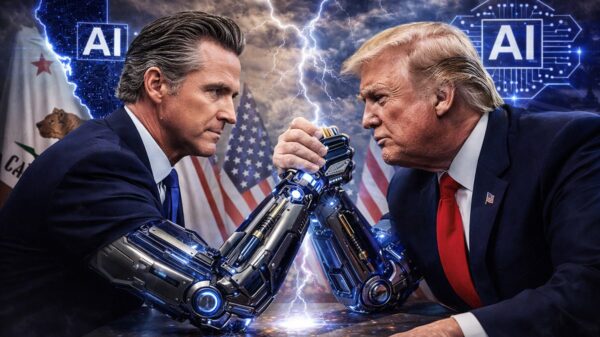



















































In a contentious move, a proposal to impose a ten-year moratorium on state regulation of artificial intelligence is resurfacing in Congress, potentially jeopardizing regulatory efforts in states like California and New York. This debate echoes back to May, when Senator Ted Cruz introduced the idea during discussions on a massive budget bill, prompting bipartisan backlash from lawmakers concerned about the unchecked power of major AI firms.
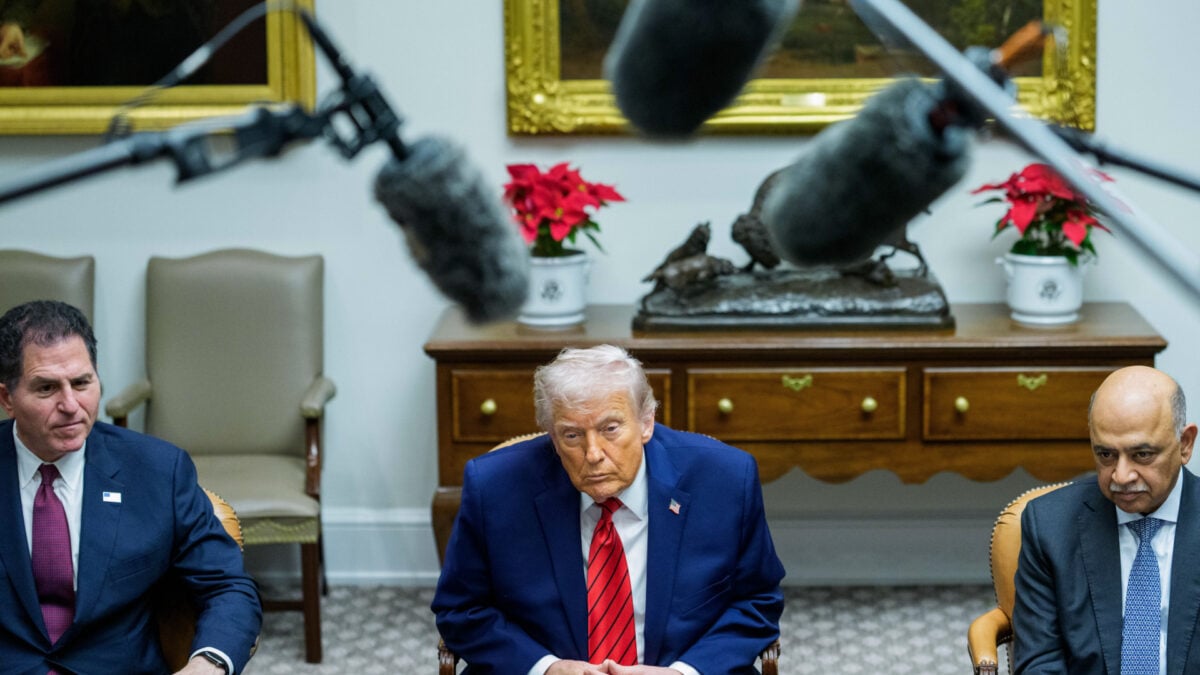
The initial proposal faced significant opposition, with concerns mounting over the implications for consumer protection, data rights, and employment. Seventeen Republican governors publicly criticized the plan, which was ultimately defeated in an unusual display of bipartisan agreement. However, the issue regained traction recently when a House Republican leader hinted at incorporating the moratorium into the annual defense spending bill. A draft document leak suggested that the Trump administration intended to enforce the ban through executive action, a notion that has sparked renewed resistance from various state leaders.
This proposal is underpinned by a mix of ideological beliefs, financial interests, and geopolitical concerns, particularly regarding competition with China. Proponents argue that uniform federal regulation is necessary to prevent what they describe as an inefficient patchwork of state laws that could stifle innovation essential for an AI arms race. This narrative has gained momentum, aided by substantial lobbying efforts from AI corporations seeking to maintain their influence and secure federal support.
Critics, however, contend that the argument prioritizes the interests of a few powerful tech companies over the needs of citizens. By restricting state-level regulation, they argue, the proposal would effectively silence local representatives, leaving citizens vulnerable to the potential harms posed by AI technologies. The debate raises fundamental questions about the nature of freedom: should the emphasis be on the freedom of large corporations or the freedom of individuals to seek protection from technology’s adverse effects?
The discussion is further complicated by political polarization. Vice President J.D. Vance has suggested that such federal preemption is necessary to prevent what he views as overreach by “progressive” states in overseeing AI’s evolution. This bifurcation reflects a broader trend where Democrats criticize the monopolistic tendencies and biases of corporate AI, while Republicans often advocate for deregulation. Nevertheless, both parties share common ground in their interest to safeguard consumers from potential exploitation by Big Tech.
In a pivotal moment during the initial debate, Republican Senator Masha Blackburn highlighted the need for states to retain their regulatory powers, arguing that federal inaction could allow corporations to exploit vulnerable populations, including children and creators. Florida Governor Ron DeSantis has also voiced support for state-level AI regulation, underscoring the bipartisan recognition of the importance of local oversight.
Concerns about the complexities of complying with diverse state regulations are often met with skepticism. Industries such as automotive, pharmaceuticals, and food production have successfully navigated various local regulations, proving that compliance is feasible. The AI sector, boasting some of the world’s most valuable companies, has demonstrated adaptability in meeting stringent international regulations, such as those in the European Union.
The ability of states to act as “laboratories of democracy” is crucial in developing regulatory frameworks that address AI’s unique challenges. By allowing states to experiment with different approaches, lawmakers can cultivate regulations that evolve with public needs, especially in an arena as dynamic as AI.
Regulation should not be seen merely as a limitation on innovation; rather, it can serve as a catalyst for responsible advancements. Just as safety regulations in pharmaceuticals have driven the development of safe and effective drugs, state regulations can guide AI innovation to prioritize public welfare. The pressing need is to mitigate the concentration of power among trillion-dollar AI corporations and the potential societal ramifications of their technologies.
As discussions around AI regulation continue, it becomes clear that states may represent the most effective means of asserting control over an industry rife with challenges. The federal government should instead work to empower states in their regulatory endeavors, supporting innovations that benefit the public. Following models from nations such as Switzerland, France, and Singapore, the U.S. could invest in developing AI technologies designed to serve as public goods, enhancing transparency and usability in governance.
Ultimately, the question remains whether the government can be trusted to prioritize public interest in AI development. Many argue that states, given their proximity to constituents, are better suited for fostering innovation that aligns with local needs. Funding from the federal government could facilitate state-led initiatives to develop AI tools that genuinely serve the public good, thus fostering an ecosystem where regulation and innovation coexist to enhance democratic principles.
See also Hochul Revises AI Safety Bill, Aligns with Big Tech Interests Amid Lobbying Pressure
 Trump Signs Executive Order Limiting State AI Regulations to Boost U.S. Innovation
 Trump Signs Executive Order to Block State AI Regulations, Directs Task Force to Challenge Laws
 Trump Signs Executive Order to Block State AI Regulations, Favoring Tech Giants