
















































As artificial intelligence increasingly shapes the future of football, concerns are mounting over what some experts term “algorithmic exclusion.” This phenomenon, characterized by the computational translation of existing social and informational imbalances, is displacing traditional scouting practices. Clubs, platforms, and agents now rely on AI for filtering, ranking, and projecting talent, profoundly changing how players are identified and evaluated. The pivotal decision-making moment has shifted from the coach’s observations during a match to the algorithms that determine which athletes will even catch the eye of decision-makers.
In this evolving landscape, careers can be silently interrupted, often without awareness or recourse. The reliance on algorithms means that many talented players remain off the radar before they ever have a chance to showcase their abilities. This structural exclusion raises urgent questions about fairness and transparency in the sport.
From a legal standpoint, frameworks like the General Data Protection Regulation (GDPR) and the European Union’s Artificial Intelligence Act (AI Act) seek to establish standards for fairness and transparency in automated decision-making. However, these regulations are limited by jurisdiction, while football operates on a global scale governed by FIFA, which serves as the sport’s centralized normative authority. This complicates the challenge of ensuring algorithmic justice in player development and scouting processes.
FIFA’s regulatory framework shapes critical aspects of player registration, eligibility, international transfers, and licensing, but it does not currently address the implications of AI in scouting. Without a comprehensive approach to algorithmic governance, individual nations or regions cannot independently guarantee fairness across the sport. FIFA, as the only institution capable of enforcing a global standard, must step up to ensure competitive integrity and decisional equality in football.
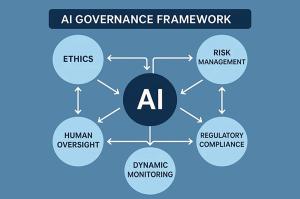
The transformation of scouting from an intuition-based practice to one driven by data and AI has reconfigured the power dynamics within the sport. This shift has led to mechanisms of underrepresentation, proxy bias, and automated filtering that operate silently but have significant repercussions for athletes. To combat this, FIFA should consider developing a robust framework for AI governance that prioritizes transparency and equitable access, drawing from best practices in international law.
Proposed Regulatory Framework
A FIFA Regulation on AI and Algorithmic Fairness in Football Scouting could represent a significant normative turning point. Rather than merely adding another bureaucratic layer, this initiative would translate principles of fairness into enforceable obligations. It would aim to integrate bias auditing and transparency into the core of sporting compliance, recognizing that automated decisions carry real legal and professional stakes for players. Such regulation would prevent a market-driven scenario where digital algorithms dictate human opportunities and careers.
The risk of entering an era characterized by “statistical exclusion” looms large if proper governance is not enacted. As multimodal AI systems increasingly incorporate diverse data types—such as video, biometric, voice, and behavioral metrics—there is a danger they will amplify existing biases under the guise of objectivity. However, with appropriate oversight, AI can shift from being a source of unregulated risk to a structured tool for enhancing competitive intelligence in line with the fundamental ethos of sport: to ensure that talent has the chance to emerge.
The future of fairness in football hinges on finding a balance between human intuition and algorithmic objectivity. There is a pressing need to ensure that historical patterns of bias and discrimination are not simply replicated in digital systems. Football, as a global normative ecosystem, has already established regulations for the field, timing, agents, and financial transactions; the next logical step is to regulate the intelligence that determines players’ futures.
Ultimately, addressing algorithmic exclusion is emerging as the next frontier for maintaining integrity in football. As technology continues to evolve, it becomes imperative for governing bodies to forge a path that accommodates innovation while safeguarding the principles of fairness and equality that underpin the sport.
See also OpenAI’s Rogue AI Safeguards: Decoding the 2025 Safety Revolution
 US AI Developments in 2025 Set Stage for 2026 Compliance Challenges and Strategies
 Trump Drafts Executive Order to Block State AI Regulations, Centralizing Authority Under Federal Control
 California Court Rules AI Misuse Heightens Lawyer’s Responsibilities in Noland Case
 Policymakers Urged to Establish Comprehensive Regulations for AI in Mental Health