






















































Investors are embracing a new investment philosophy as they brace for the potential economic upheaval brought by artificial intelligence (AI) – the “Halo trade.” This term, short for “heavy assets, low obsolescence,” reflects a growing interest in companies possessing tangible, productive assets that may be insulated from AI disruption. Sectors such as energy and transport infrastructure have emerged as focal points for investors.
While major US tech companies have faced challenges at the start of 2026, the Halo trade has contributed to record highs in UK and EU stock markets by the end of February. A report from Goldman Sachs indicated that its basket of over 100 capital-intensive companies had outperformed a similar group of capital-light firms by 35% since 2025, underscoring that “asset intensity becomes a key driver of valuations and returns.”
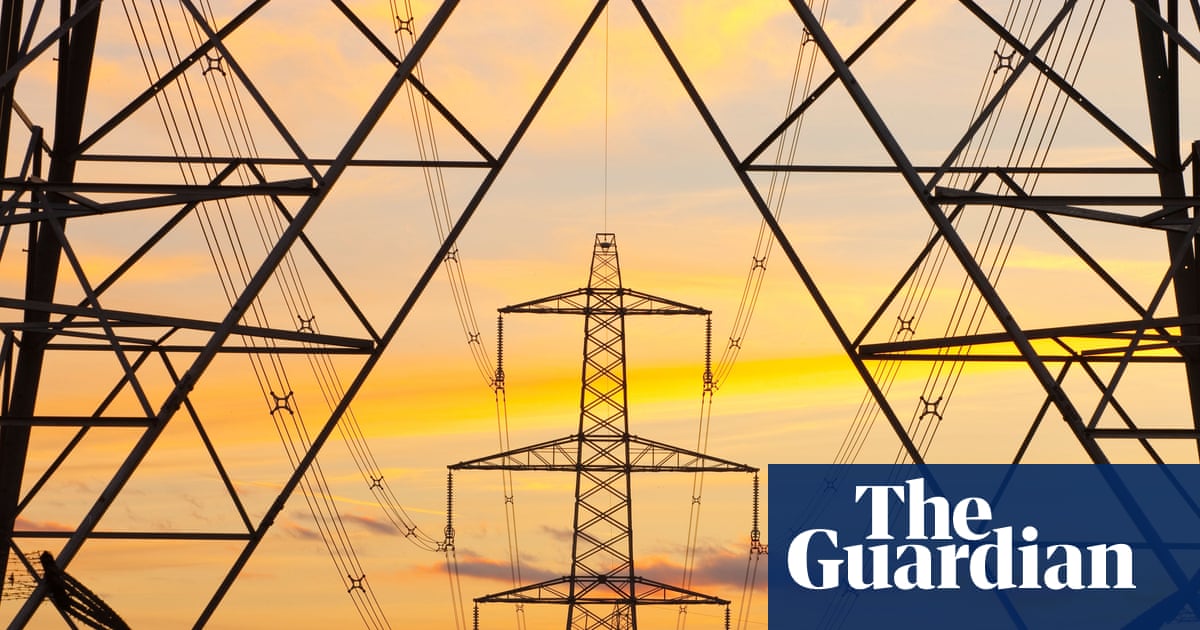
Goldman analysts highlighted that after more than a decade of under-investment, particularly in Europe, corporations are decisively shifting back toward physical assets. They defined Halo businesses as those that combine significant physical capital—where barriers to replication include cost, regulation, time to build, or engineering complexity—with lasting economic relevance. This includes assets like grids, pipelines, utilities, and long-cycle industrial capacities.
The valuation gap between capital-intensive and capital-light businesses in Europe has narrowed notably, with capital-intensive firms now attracting higher ratings on a price-to-earnings basis, a critical measure of stock performance. Ruben Dalfovo, an investment strategist at Saxo, pointed to energy infrastructure firms and oil and gas majors with comprehensive supply chain control as prime examples of Halo companies. He also identified essential services, such as utilities, that investors increasingly favor for their reliability over excitement.
“Waste collection, water services, and regulated power networks rarely dominate dinner party chat,” Dalfovo noted, “but they tend to gain attention when investors shift focus from thrill to reliability.” The FTSE 100, heavily weighted with traditional economy companies, has achieved a series of record highs in 2026, marking February as the index’s strongest month since November 2022 and extending its winning streak to eight months.
Ipek Ozkardeskaya, a senior analyst at Swissquote, stated, “Investors are rotating from expensive AI and growth stocks into businesses with tangible infrastructure and long-lived assets – energy, materials, industrials, shipping, and other ‘real world’ enterprises.” She emphasized that the FTSE 100 is well-positioned to capture Halo inflows, driven by energy and mining sectors.
The pan-European Stoxx 600 share index also reached record levels last week, buoyed by a shift from US technology stocks into more traditional sectors. Companies such as Frontline, a Cyprus-based oil tanker shipping firm, have been standout performers, with a 57% increase in value this year. Norway’s Kongsberg Gruppen, which supplies high-tech systems for marine, aerospace, defense, and energy industries, has seen a 46% rise since early January.
In stark contrast, software and data-centric companies have faced mounting pressure in recent weeks as AI firms expand their service offerings, threatening established revenue models. A speculative report from analysts at Citrini Research last week sent shockwaves through markets by outlining a scenario where autonomous AI systems could fundamentally disrupt the US economy, affecting everything from jobs to financial markets and increasing unemployment.
The shifting investment landscape reflects a broader trend where tangible assets are gaining favor amidst concerns over the long-term viability of tech-centric business models in an AI-driven future. As the Halo trade gains momentum, it indicates a potential reassessment of risk and opportunity in a rapidly evolving economic environment.
See also AI Communication Shifts: Intent Engineering Evolves Beyond Prompt Techniques
 AI Complexity Hits Comprehension Wall, Threatening Business Operations at Scale
 Australia Demands Age Verification for AI Services by March 9, Targets Apple and Google
 Silicon Photonics Chips Poised for 50-70% Market Penetration by 2026 as Foundry Competition Intensifies
 Turiyam.ai Secures $4M in Pre-Seed Round to Develop Full-Stack AI Hardware Platform















