
































Artificial intelligence is transitioning from experimentation to mainstream business operations, with Ireland emerging as a key hub for this transformation. Known for its lush landscapes, the country is now gaining recognition for its technological expertise, consistently ranking among the best in the EU for digital skills. Ireland not only excels in digital competencies but also leads in AI investment strategies, according to new research from Deloitte, which ranks it number one for AI strategy integration across Europe, the Middle East, and Africa.
As businesses increasingly incorporate AI into their operations, Ireland’s blend of skilled talent, supportive regulations, and innovation ecosystems is facilitating significant advancements in productivity. This evolution is evident in various sectors, as multinational corporations, Irish startups, and research collaborations collectively shape the broader European AI landscape. Ireland’s commitment to AI began in earnest with the establishment of a national AI strategy in 2019, and it has now evolved into a comprehensive effort guided by an AI advisory council.
Companies operating in Ireland are finding a wealth of local expertise, reducing the need to import AI talent. The country’s partnerships are further catalyzing growth; for instance, IBM announced plans to create 800 AI-related jobs in Ireland in 2024, while Crusoe, an AI infrastructure provider, opened its European headquarters in Dublin the same year. Additionally, Workday, an enterprise AI software company based in California, is investing $202.5 million in an AI Center of Excellence in Dublin, collaborating with local educational institutions to certify hundreds of employees in AI-related fields.
These initiatives reflect a broader trend where multinational firms are integrating AI education into workforce planning, enhancing Ireland’s innovation ecosystem. Microsoft research shows that Ireland ranks fourth globally in AI adoption, underscoring the rapid deployment of AI across critical sectors.
In the financial services industry, banks and investment firms in Ireland are leveraging machine learning for real-time fraud monitoring and predictive risk modeling, essential in compliance-heavy environments. Heavily regulated sectors such as healthcare and finance are deploying AI-enabled solutions for regulatory reporting and process automation, aligning with trends across Europe that favor tech-enabled transparency.
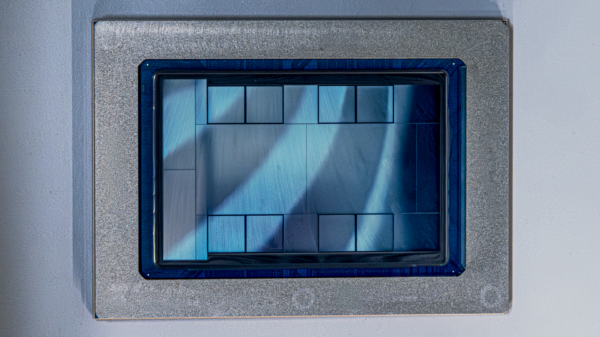
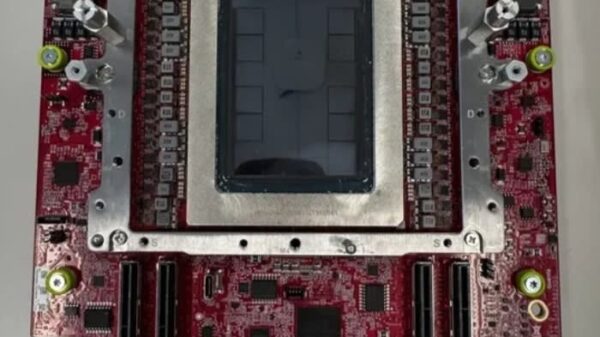
In advanced manufacturing, major medical device firms are embedding AI into quality management and smart-factory initiatives, enhancing precision and reducing error rates. Software companies, like Intercom, are utilizing Dublin’s engineering talent to develop AI tools that have significantly improved customer query resolution rates. In the hardware sector, Intel’s Fab 34 in Leixlip is at the forefront of advanced semiconductor manufacturing, crucial for powering AI workloads, with companies like AMD and Qualcomm also contributing to this ecosystem.
Irish startups are also making strides in AI. Cybersecurity firm Tines utilizes AI to streamline secure workflows, while quantum computing startup Equal1 has partnered with Nvidia to develop high-performance quantum devices designed for AI model acceleration. Despite this rapid progress, several challenges persist in scaling AI.
Data readiness remains a global obstacle, but Ireland’s extensive experience in handling large datasets positions it favorably to overcome this hurdle. Regulatory frameworks like the EU AI Act reflect a cautious but necessary approach to governance, emphasizing safety and privacy while recognizing the need to foster innovation. Former Italian Prime Minister Mario Draghi highlighted this balance in his 2024 competitiveness report, urging the EU to dismantle barriers that hinder technological advancement.
Infrastructure also poses challenges, as AI workloads demand substantial computing power and energy. While Ireland faces constraints in energy demand and grid capacity, the country is making strides in renewable energy, generating 40% of its electricity from wind and solar sources. Investments like the AI Factory Antenna project, a $12 million initiative co-funded by the EU and the Irish government, aim to enhance technical resources available for startups and public sectors.
Industry leaders have recognized Ireland’s potential. OpenAI CEO Sam Altman has noted that Ireland offers a skilled workforce combined with a robust innovation environment, making it an ideal location for establishing a presence in the EU market. OpenAI’s first office in the European Union is located in Dublin, and Anthropic has also set up its EU headquarters there.
Looking ahead, as AI becomes more integral to Irish businesses, the focus is shifting from mere efficiency to enhancing the value of products and services for customers. The narrative is evolving from “How can AI make us more efficient?” to “How can AI enrich our offerings?” This shift mirrors global market dynamics where AI is increasingly viewed as a driver of revenue growth and new business models. With the concept of artificial intelligence first introduced by Irish American computer scientist John McCarthy in 1956, the full potential of AI is only beginning to be realized, suggesting that the most exciting opportunities lie ahead.
See also Anthropic Embeds Consciousness Clause in Claude’s New AI Constitution for Ethical Governance
 Qadi Partners with Core42 to Enhance Sovereign AI Compliance in the UAE
 Vibecode.Law Launches Open Platform for DIY AI Tools in Legal Tech Community
 RAIDS AI Launches Real-Time Monitoring Platform to Combat Rogue AI Behavior