

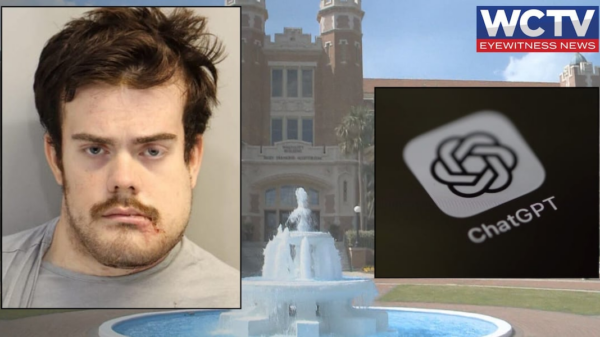









































MASON, Ohio — A teenager from Mason has been charged with over 50 felony counts after police discovered artificial intelligence-generated pornographic images of classmates on his devices. This case has drawn significant attention to Ohio Senate Bill 163, a proposed piece of legislation currently under review in a Senate committee in Columbus, which aims to criminalize the production of child exploitative images using AI.
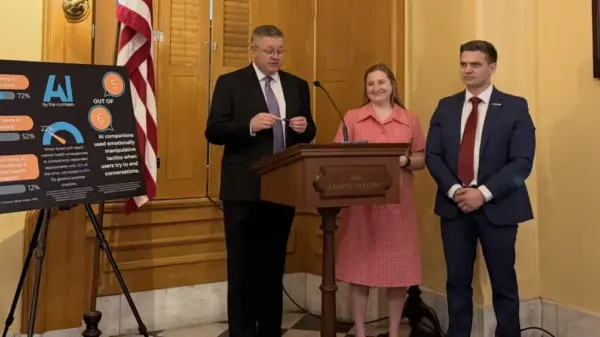
“It is going to criminalize producing child exploitative images using AI,” said Rebecca Surendorff, co-founder of Ohioans for Child Protection. “I’m hoping that it’s going to be a legislative priority.” The bill addresses a critical gap in existing laws, according to Colerain Township Republican Sen. Louis Blessing III, a co-sponsor of SB 163.
Current laws surrounding child sexual abuse material require an actual photograph of a child for prosecution. “With AI not being a real photo, this leads to issues of prosecuting someone generating these photos,” Blessing noted. Senate Bill 163 aims to equip attorneys with the tools necessary to hold perpetrators accountable in such cases.
Surendorff highlighted that Ohio lags behind many other states in addressing the issue of AI-generated deepfake pornography, which can involve superimposing an individual’s face or body onto explicit material without their consent. “It would be good for Ohio to create in our state law — to mirror basically language that exists in 45 other states,” she stated.
For Surendorff and the grassroots coalition of parents and grandparents she has formed, the urgency for legislative action is paramount. “The CDC estimates that 1 in 4 girls will be sexually abused before age 18,” she emphasized. “There’s a large, growing body of evidence that 1 in 6 kids are being exploited online. We can’t combat this alone, just as parents. We need a state that’s behind us and protecting our kids.”
Supporters of SB 163 assert that the legislation is focused on targeting bad actors without infringing on free speech or criminalizing innocent or socially awkward behavior. However, concerns around potential overreach could pose challenges for the bill’s advancement. The proposed legislation also aims to enhance identity fraud protections by addressing AI-generated likenesses created for malicious purposes.
The ongoing case involving the Mason teenager underscores the pressing need for legislative measures that can effectively address the complexities introduced by artificial intelligence in the realm of child exploitation and digital safety. As the committee reviews SB 163, advocates hope it will lead to a more robust legal framework that can better protect vulnerable populations from emerging threats in an increasingly digital landscape.
See also OpenAI’s Rogue AI Safeguards: Decoding the 2025 Safety Revolution
 US AI Developments in 2025 Set Stage for 2026 Compliance Challenges and Strategies
 Trump Drafts Executive Order to Block State AI Regulations, Centralizing Authority Under Federal Control
 California Court Rules AI Misuse Heightens Lawyer’s Responsibilities in Noland Case
 Policymakers Urged to Establish Comprehensive Regulations for AI in Mental Health