
























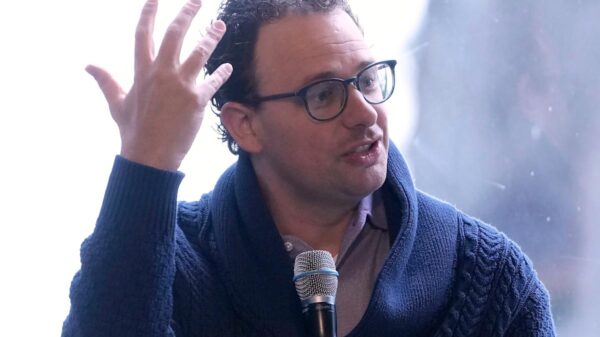




















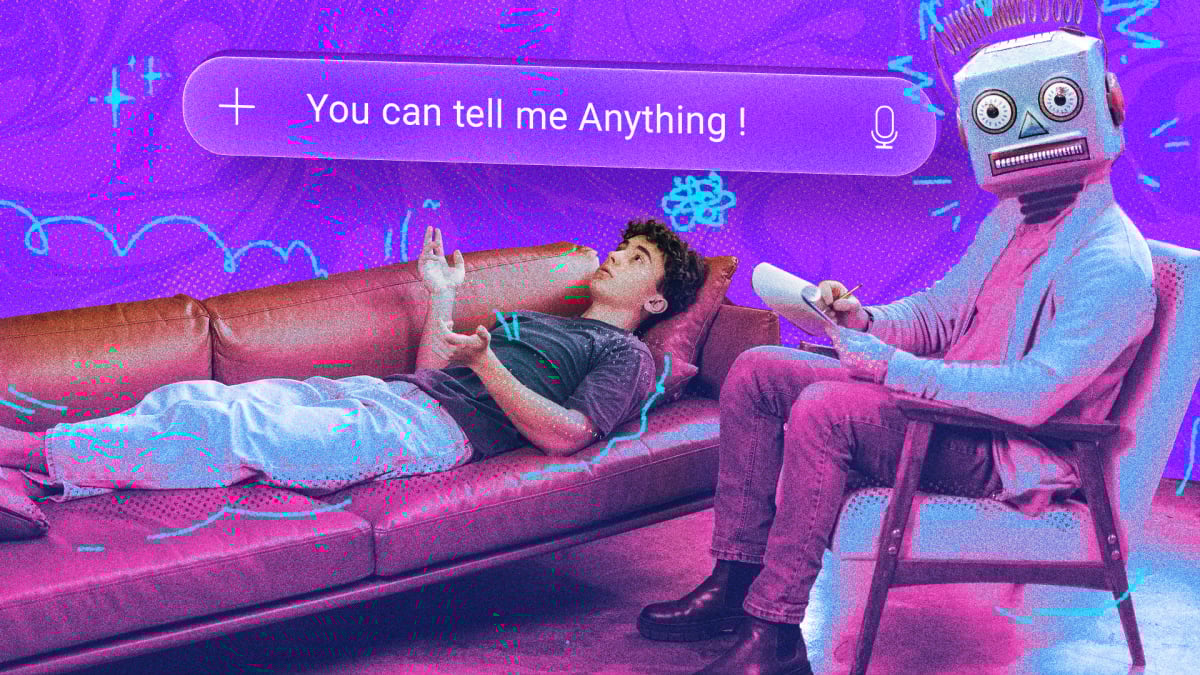
OpenAI CEO Sam Altman has expressed concerns regarding the legal protections afforded to conversations with AI systems, likening them to discussions with human professionals such as lawyers and doctors. In a conversation last July with podcaster Theo Von, Altman stated that it is “screwed up” that interactions with AI do not receive the same legal safeguards as those with human advocates. He emphasized the need for societal progress on this issue, posting on X, “imo talking to an AI should be like talking to a lawyer or a doctor.”
Altman’s push for stronger privacy protections for AI interactions comes amid increasing scrutiny from lawmakers, particularly as states enact regulations around AI tools marketed as therapeutic or legal advisors. However, legal experts suggest that user privacy is not the only motivation behind Altman’s advocacy; there is also a potential corporate interest. If conversations with AI were deemed confidential, it could shield both users and companies like OpenAI from legal repercussions, especially as the company faces its own legal challenges regarding user chat logs.
The concept of “AI privilege” is gaining traction in legal discourse. According to Melodi Dinçer, a senior staff attorney at the Tech Justice Law Project, there are already established forms of privilege recognized in law, such as attorney-client and doctor-patient confidentiality. These privileges ensure that communications between individuals and their trusted professionals remain confidential and are not admissible in court. However, the application of these principles to AI interactions remains ambiguous, raising questions about whether AI-generated conversations should be treated similarly.
As Altman and others push for a cultural shift toward recognizing AI as a trusted advisor, legal experts caution that this move could create complications. The recent legal disputes involving OpenAI, including multiple copyright cases brought by publishers and artists, underscores the necessity for clarity in how AI developers, their products, and user data are categorized in a legal context. The outcomes of these cases could shape the future of how AI is perceived in legal settings.
In a notable case earlier this year, a federal judge ruled against the application of attorney-client privilege to documents generated by Anthropic’s Claude chatbot. The judge determined that the generated materials were not protected due to the lack of confidentiality assurances in Anthropic’s privacy policy. This ruling highlights the complexities surrounding the legal status of AI-generated content and the implications for users who may assume their interactions are private.
Conversely, another ruling found that attorney-client privilege did apply to AI-generated work if it was classified as an “attorney-client work product.” This indicates that courts may differentiate between viewing AI as a tool versus a third-party entity, which has significant implications for the treatment of confidential communications. These early decisions reflect a burgeoning area of law where courts grapple with uncertain definitions and standards concerning AI.
The broader implications of these legal debates come into sharper focus as health technology companies, including OpenAI, increasingly venture into areas traditionally governed by strict privacy regulations. OpenAI’s launch of ChatGPT Health has raised alarms, as users are encouraged to share medical histories to improve personalization, despite lacking protections under the Health Insurance Portability and Accountability Act (HIPAA). Other firms, such as Anthropic and Amazon, are following suit, contributing to a burgeoning market for AI health solutions.
As more AI applications emerge, many privacy experts warn of the potential consequences of a fragmented regulatory landscape. The lack of clarity around AI privileges could benefit developers by allowing them to introduce health-focused products without stringent privacy safeguards. With increasing user engagement in sensitive discussions with AI, some legal experts speculate that the recognition of AI privileges could grow, particularly in jurisdictions that already extend confidentiality protections to medical professionals.
Altman’s efforts to position AI as a trusted advisor mirror a growing trend among tech companies to cultivate consumer confidence. The potential for AI to handle sensitive health data creates a complex environment where legal accountability and user privacy must be carefully balanced. As companies navigate this evolving landscape, the discussions surrounding the legal status of AI interactions are likely to intensify, highlighting the urgent need for clarity and regulation in this domain.
The evolving relationship between AI and legal protections raises crucial questions about privacy, accountability, and trust, underscoring the importance of thoughtful dialogue as society integrates these technologies into everyday life.
See also OpenAI’s Rogue AI Safeguards: Decoding the 2025 Safety Revolution
 US AI Developments in 2025 Set Stage for 2026 Compliance Challenges and Strategies
 Trump Drafts Executive Order to Block State AI Regulations, Centralizing Authority Under Federal Control
 California Court Rules AI Misuse Heightens Lawyer’s Responsibilities in Noland Case
 Policymakers Urged to Establish Comprehensive Regulations for AI in Mental Health