




































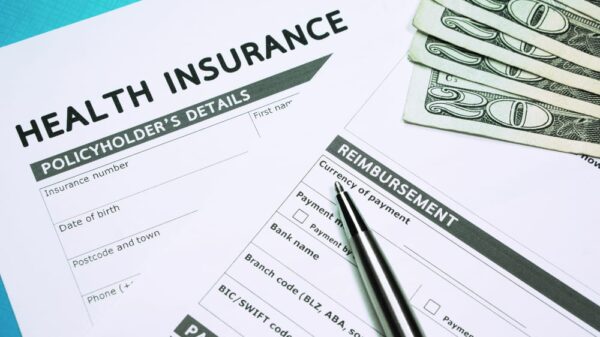









A growing conflict is unfolding between the White House and state governments over the use of artificial intelligence (AI) in health insurance coverage decisions. This controversy centers on whether states can regulate insurers’ use of AI for prior authorization requests and claim denials, or if federal policies will override such state-level efforts. The debate, highlighted in a recent KFF Health News report, is disrupting traditional partisan lines and revealing significant bipartisan concerns regarding algorithmic decision-making in healthcare.
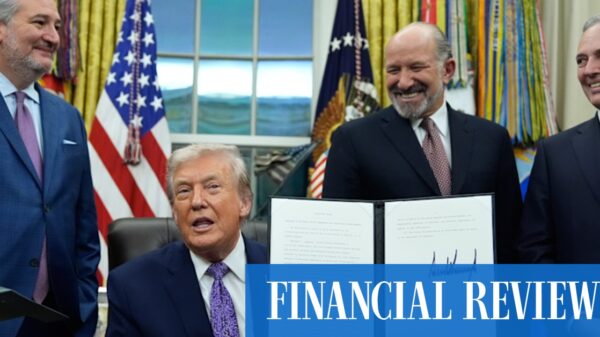
President Donald Trump has framed AI development as crucial for national competitiveness. A December executive order aims to limit state regulations on AI, emphasizing that “excessive State regulation thwarts” U.S. leadership in a global tech race. The order proposes measures to restrict federal funding or initiate litigation against states that impose what it considers burdensome regulations.
In contrast, lawmakers in various states—irrespective of political affiliation—are increasingly enacting laws to limit AI’s role in health insurance. At least four states—Arizona, Maryland, Nebraska, and Texas—passed legislation last year imposing restrictions on insurers’ use of AI. States like Illinois and California had already taken similar steps the previous year, while Rhode Island and North Carolina are contemplating bills to curb AI’s influence in coverage decisions.
The coalition of states is notable. Florida Governor Ron DeSantis, a Republican, has introduced an “AI Bill of Rights” that calls for restrictions on AI in insurance claims processing and empowers state regulators to examine algorithms. DeSantis has framed this issue morally, asserting that the state has a duty to ensure AI develops in alignment with “American values.” Meanwhile, Democratic-led states like Maryland are also taking steps to limit AI-driven denials.
This regulatory movement is fueled by rising public skepticism. A December poll conducted by Fox News indicated that 63% of voters were “very” or “extremely” concerned about AI, reflecting apprehensions shared by both Democrats and Republicans. Simultaneously, there is widespread dissatisfaction with insurers’ prior authorization practices, with investigative reports from ProPublica and others revealing algorithms that quickly deny requests with minimal physician oversight.
Despite these concerns, health insurers have defended the use of advanced AI systems, claiming they do not automatically deny claims. Executives from Cigna and UnitedHealth Group, during a session with the House Ways and Means Committee, rejected the notion that AI is responsible for denials. Industry representatives argue that AI enhances efficiency in approvals and reduces administrative workloads, with Optum recently promoting “tech-powered prior authorization” to expedite decision-making.
However, medical organizations have aligned themselves with state regulators. The American Medical Association advocates for increased accountability and transparency regarding AI tools used in prior authorization, pointing to ongoing issues such as opaque decision-making and delays in care.
From a regulatory perspective, states’ authority is not without limitations. University of Minnesota law professor Daniel Schwarcz noted that states cannot regulate self-insured employer plans, which fall under federal jurisdiction. Furthermore, many state laws require human approval for AI-generated decisions but lack clarity regarding the level of review necessary, raising questions about enforcement.
Insurers caution that a patchwork of state regulations could elevate compliance costs and divert resources from patient care. The trade group AHIP, representing insurance providers, has called for a “consistent, national approach” grounded in federal policy.
Legal experts are questioning whether the administration can unilaterally preempt state AI regulations. Carmel Shachar of Harvard Law School suggested that such preemption authority generally rests with Congress, which has previously opted not to prohibit states from regulating AI. This situation sets the stage for potential legal battles over federalism and the separation of powers.
The resulting standoff presents high stakes. For many state lawmakers, the dilemma has evolved beyond a choice between state and federal regulation to one of state oversight versus regulatory void. As one New York legislator articulated, the crucial question may be whether AI in health insurance is managed at the state level “or not at all.”
For insurers and AI developers alike, the outcome will significantly influence whether coverage algorithms remain largely self-regulated or become subject to new mandates for transparency, accountability, and human review—despite indications from Washington to clear the regulatory field.
See also OpenAI’s Rogue AI Safeguards: Decoding the 2025 Safety Revolution
 US AI Developments in 2025 Set Stage for 2026 Compliance Challenges and Strategies
 Trump Drafts Executive Order to Block State AI Regulations, Centralizing Authority Under Federal Control
 California Court Rules AI Misuse Heightens Lawyer’s Responsibilities in Noland Case
 Policymakers Urged to Establish Comprehensive Regulations for AI in Mental Health