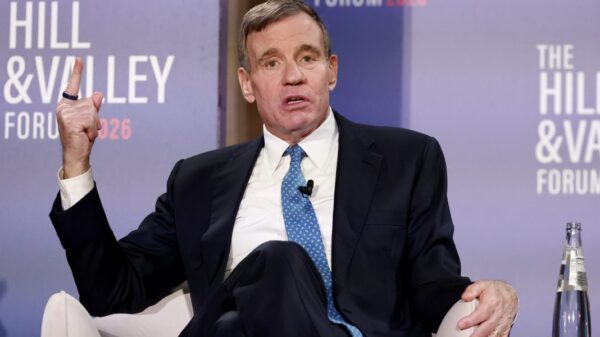








































In a pivotal week for artificial intelligence (AI) policy, two contrasting events unfolded in Washington, D.C., reflecting the high-stakes debate over the regulation of this rapidly evolving technology. The tech industry convened the invite-only ‘Hill and Valley Forum’ on March 25, showcasing a vision focused on accelerating AI development and military adoption. Meanwhile, the AFL-CIO organized a competing conference on March 27 that underscored the potential risks of AI, particularly its impact on employment, demanding stronger safeguards against job displacement.
The divergence in perspectives was pronounced, as the tech-backed forum featured prominent industry executives and officials from the Trump administration, all advocating for reduced regulations to secure the U.S. leadership in AI against competitors like China. In stark contrast, labor leaders and sympathetic lawmakers at the AFL-CIO event rallied around the need to protect workers, criticizing the lack of attention to job security in the current discourse surrounding AI advancements. This advocacy battle highlights the challenges lawmakers face as they prepare to craft national AI legislation amidst conflicting interests.
The urgency of this legislative effort is amplified by the significant financial commitments from tech giants, who plan to invest hundreds of billions in AI this year. However, these investments have ignited public concern over issues such as job losses and environmental impacts. As policymakers grapple with these competing narratives, they must find a balance that fosters innovation while addressing the growing apprehension from labor unions and civil society regarding the societal ramifications of AI.
The Hill and Valley Forum, held at a historic auditorium, was marked by discussions on how to maintain the technological edge of the United States. Participants, including companies like OpenAI and Alphabet Inc., emphasized the need for an expedited regulatory framework. Conversely, the AFL-CIO’s conference served as a platform for labor leaders to strategize on countering what they describe as an existential threat to jobs from AI. Liz Shuler, president of the AFL-CIO, expressed frustration with the current focus on tech companies, stating, “We’re fed up with the focus on the tech companies, which are in full view right now, basically running our government.”
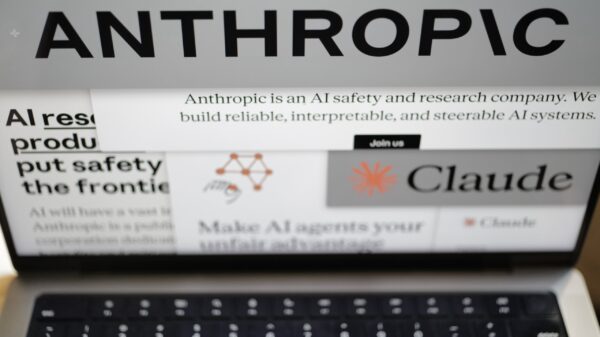
Adding to the complexity of the situation, the White House recently unveiled a blueprint for national AI legislation that has been criticized for prioritizing industry interests over the safeguards desired by workers. This reaction was fueled by a court ruling that blocked the Pentagon from designating Anthropic, an AI provider, as a supply chain risk, following the company’s push for additional military use safeguards. Such developments are likely to further shape the dialogue on AI regulation moving forward.
As the advocacy battle continues, the potential for AI to create significant economic shifts cannot be ignored. The technology’s rapid advancement poses questions about not only the future of work but also the ethical implications of its deployment. With the Biden administration’s strategy now under scrutiny, the outcomes of these discussions will be critical in determining how the U.S. navigates its trajectory in this pivotal field.
The technology sector’s push for less regulation stands in stark contrast to labor groups’ calls for greater protections, presenting a complicated landscape for policymakers. As the dialogue evolves, the challenge remains to craft legislation that effectively balances the need for innovation with the imperative of safeguarding workers and ensuring public trust in AI technologies. The impending decisions will have lasting implications not only for the industry but also for the workforce and broader society.
See also OpenAI’s Rogue AI Safeguards: Decoding the 2025 Safety Revolution
 US AI Developments in 2025 Set Stage for 2026 Compliance Challenges and Strategies
 Trump Drafts Executive Order to Block State AI Regulations, Centralizing Authority Under Federal Control
 California Court Rules AI Misuse Heightens Lawyer’s Responsibilities in Noland Case
 Policymakers Urged to Establish Comprehensive Regulations for AI in Mental Health