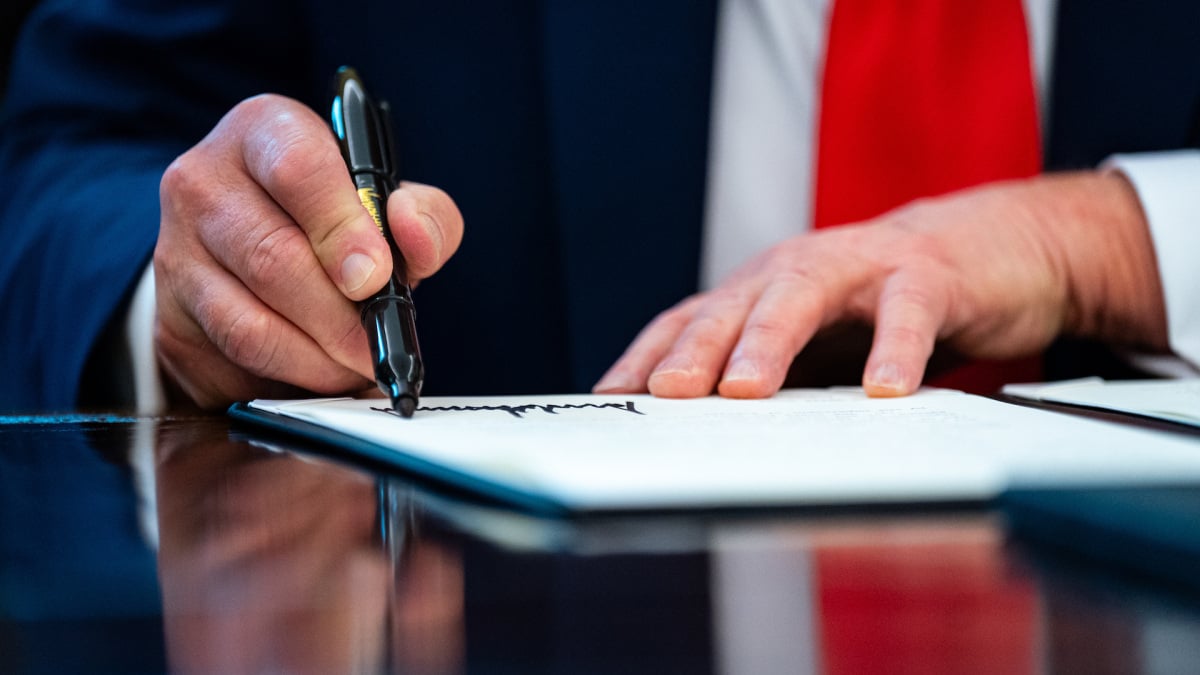
President Donald Trump announced on Monday his intention to sign an executive order establishing a singular regulatory framework for artificial intelligence (AI) in the United States. In a post on Truth Social, Trump emphasized the need for “One Rulebook” to maintain the U.S. position as a leader in the AI race, cautioning that the competitive edge could diminish if states implement disparate regulations. “We are beating ALL COUNTRIES at this point in the race, but that won’t last long if we are going to have 50 States, many of them bad actors, involved in RULES and the APPROVAL PROCESS,” he stated.
This announcement comes as several states, including California and New York, have enacted their own AI regulations this year, which address issues like transparency, whistleblower protections, and safety for users and teenagers. However, Trump did not specify which states he deemed “bad actors” or the criteria for such a classification.
Reports have emerged indicating that a draft of the executive order, which leaked online last week, directs federal agency leaders and cabinet members to explore punitive measures against states with existing AI legislation. This proposed move has raised questions about its implications for the established regulatory landscape.
Earlier this year, Trump had pushed the “One Big Beautiful Bill Act,” which aimed to impose a ten-year ban on state-level AI regulations. This initiative faced significant backlash, including rejection from Republican Congresswoman Marjorie Taylor Greene, and ultimately was defeated in the Senate with a vote tally of 99-1. Despite this, some influential figures within the MAGA movement, such as Trump’s ally Steve Bannon, continue to advocate for limited regulation of the AI industry.
Proponents of the proposed regulatory ban argue that it would allow AI companies the freedom to innovate without the complexities of navigating various state regulations. David Sacks, a tech venture capitalist and former special advisor for AI and crypto under the Trump administration, is reportedly a key figure behind the executive order, according to The Verge.
As the political landscape surrounding AI regulation evolves, it remains uncertain how Trump’s executive order would intersect with existing Congressional efforts. Notably, a bipartisan bill spearheaded by Republican Senator Josh Hawley and Democrat Senator Mark Warner aims to require federal agencies and major U.S. corporations to account for workforce reductions linked to AI advancements.
Adding to the conversation, a report released last week by the Future of Life Institute, a tech research nonprofit, revealed concerning findings about AI safety. Of the eight major AI models assessed, only three passed the safety evaluation, underscoring the critical need for effective regulatory oversight.
As the discourse around AI regulation intensifies, the implications of Trump’s forthcoming executive order could shape the future of technological innovation in the U.S. and potentially influence the global competitive landscape as nations grapple with the complexities of AI governance.
See also Trump Signs Executive Order to Federalize AI Regulation, Threatens States with Funding Cuts
 Trump’s Executive Order on AI: Misguided Belief in Winner-Take-All Competition
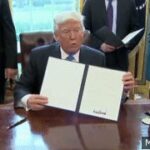 Trump’s AI Executive Order Faces State Resistance and Legal Challenges Ahead of 2026
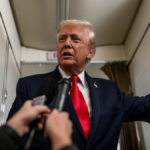 Trump Signs AI Executive Order to Centralize Regulation Amid Industry Debate
 QUALCOMM Introduces Governance Changes Amid AI Chip Expansion, Boosting Investor Influence