
















































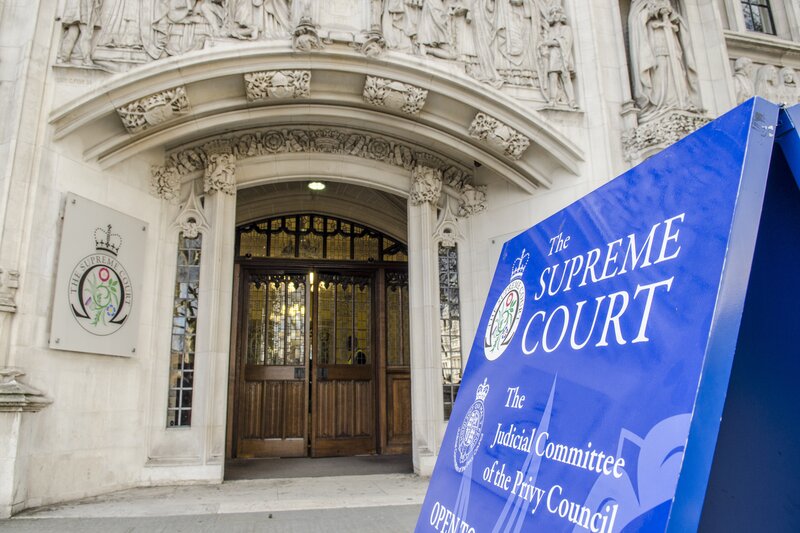
By Alex Baldwin (February 11, 2026, 10:12 AM GMT) — The U.K.’s highest court has delivered a pivotal ruling that may reshape the landscape of intellectual property for artificial intelligence, affirming that Emotional Perception’s artificial neural network is eligible for patent protection. This decision, announced on Wednesday, signifies a notable shift in how the legal system approaches the intersection of technology and patent law.
The court’s ruling indicates that existing laws, which traditionally exclude computer programs from patentability, do not apply to the advancements represented by AI technologies. Emotional Perception, a firm specializing in AI-driven emotional recognition systems, had contested the limitations imposed by previous judgments that barred software from receiving patents. The ruling now opens the door for a new category of patents specifically aimed at innovative AI technologies within the U.K.
This landmark decision may have far-reaching implications for businesses and innovators in the tech sector. By establishing that AI can be patented, the court has effectively recognized the potential for AI to create original and valuable inventions, aligning the U.K. with other jurisdictions that have begun to embrace this trend. As companies increasingly invest in AI technologies, the ruling could encourage further innovation and investment in the sector.
The implications extend beyond Emotional Perception. Other tech companies are likely to seek similar protections for their AI innovations, potentially resulting in a surge of patent applications. Legal experts and tech entrepreneurs alike are now closely monitoring how this ruling will influence the broader regulatory environment surrounding AI in the U.K.
In a world where technology evolves rapidly, the court’s decision reflects an acknowledgment that traditional patent law may not adequately address the complexities of modern innovations. The ruling is expected to spark discussions about how to balance the protection of intellectual property with the need for fostering innovation in a fast-paced tech landscape.
As the legal ramifications of this decision unfold, it remains unclear how other jurisdictions will respond. Countries like the U.S. have seen ongoing debates regarding AI patentability, and this U.K. ruling may prompt lawmakers and legal systems elsewhere to reconsider their stances on AI innovation. If similar rulings are adopted internationally, the global landscape of AI-related patents could experience significant transformation.
In the meantime, Emotional Perception is likely to leverage this ruling to enhance its competitive edge in the AI market. As the company moves forward, it may not only focus on developing its existing technologies but also explore new avenues for innovation, backed by the legal protections afforded by the court’s decision.
As the tech industry watches closely, the ruling stands as a testament to the evolving relationship between law and technology. With AI’s potential to revolutionize various sectors, the U.K. court’s decision marks a significant step in recognizing and regulating this transformative force. The next stages of this legal journey could redefine how innovations are protected in the age of artificial intelligence.
See also India Strengthens AI Regulation with New Guidelines for Synthetic Media Transparency
 Roseville High School Introduces Zero-Tolerance AI Policy to Combat Misuse in English Classes
 New York Governor Hochul Launches Office to Oversee AI Regulation and Digital Safety
 BECU Unveils Agentic AI Tools to Enhance Financial Guidance for All Members
 Mrinank Sharma Resigns from Anthropic, Warns of AI-Induced Global Peril Ahead of Summit