










































The rapid evolution of artificial intelligence is set to redefine various industries by 2026, with a suite of innovative tools expected to become mainstream in sectors such as coding, design, writing, and research. This shift reflects an ongoing trend where AI technologies are increasingly integrated into daily workflows, enhancing productivity and creativity. As AI algorithms become more sophisticated, their applications are anticipated to expand significantly, altering how professionals approach tasks traditionally dominated by human input.
Among the most notable advances is the emergence of AI-driven coding assistants. These tools aim to streamline software development by providing real-time suggestions and automating routine coding tasks. By leveraging machine learning algorithms, they can analyze vast amounts of code and offer solutions that not only save time but also reduce errors. This is particularly relevant as the demand for software solutions rises, fueled by the digital transformation across various sectors.
In the realm of design, AI tools are beginning to assist artists and designers in generating creative concepts. These platforms can analyze design trends and user preferences, producing tailored suggestions that resonate with target audiences. By automating repetitive design processes, such as layout generation and asset creation, designers can focus on more complex creative challenges, ultimately enhancing the quality of their work while minimizing time spent on mundane tasks.
Writing is another area witnessing significant AI integration. Advanced natural language processing models are now capable of generating coherent and contextually relevant texts, aiding writers in content creation. From drafting articles to composing marketing materials, AI tools can enhance the speed and efficiency of the writing process. As these technologies improve, they will likely play a crucial role in editorial workflows, allowing writers to concentrate on their unique voice and strategic messaging.
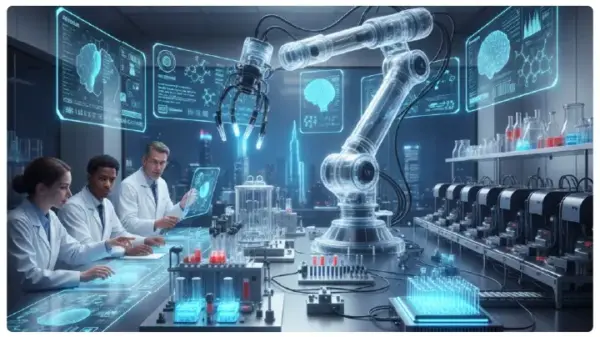
The research landscape is also evolving with the introduction of AI-powered data analysis tools. These solutions can analyze large datasets rapidly, identifying patterns and insights that would take human researchers much longer to uncover. This capability not only accelerates the research process but also enhances the accuracy of predictions and conclusions drawn from complex information. As a result, researchers across fields like healthcare, finance, and social sciences are increasingly adopting these technologies to drive innovation.
Broader Implications
The widespread adoption of these AI tools raises important questions about the future of work. As automation takes over routine tasks, the roles of professionals may need to adapt. Skills such as critical thinking, creativity, and emotional intelligence are likely to become even more valuable in the workforce, as machines handle more of the technical aspects. This shift could lead to new job opportunities in AI management and oversight, as well as in areas that require a human touch.
Moreover, ethical considerations surrounding AI deployment will need to be addressed. As these tools gain traction, concerns about bias, privacy, and accountability will become more pronounced. Ensuring that AI systems function transparently and equitably will be essential in maintaining public trust and fostering responsible innovation.
Looking ahead, the integration of AI into various sectors is poised to create a new normal, transforming not only how tasks are performed but also the nature of the roles filled by professionals. Companies that leverage these technologies effectively will likely gain a competitive advantage, positioning themselves at the forefront of their respective industries. As we approach 2026, the dialogue around AI’s impact on work and society will continue to evolve, shaping the future landscape of technology and human interaction.
See also AI Study Reveals Generated Faces Indistinguishable from Real Photos, Erodes Trust in Visual Media
 Gen AI Revolutionizes Market Research, Transforming $140B Industry Dynamics
 Researchers Unlock Light-Based AI Operations for Significant Energy Efficiency Gains
 Tempus AI Reports $334M Earnings Surge, Unveils Lymphoma Research Partnership
 Iaroslav Argunov Reveals Big Data Methodology Boosting Construction Profits by Billions