




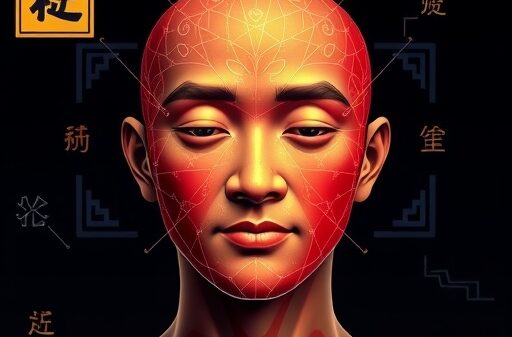
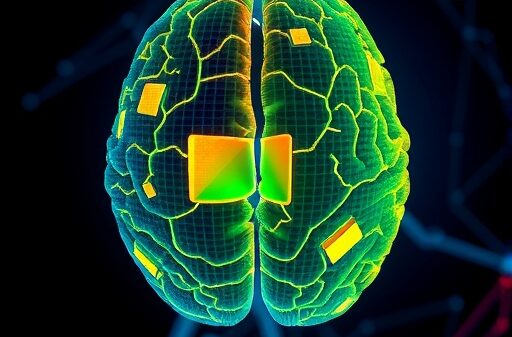


























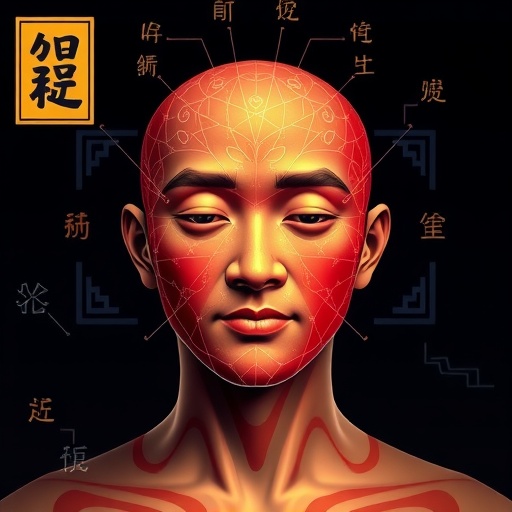
In a significant development for integrative medicine, researchers Gu, Nie, and Yang are set to publish a study in the Journal of Medical Biological Engineering in 2026 that explores the identification of traditional Chinese medicine (TCM) constitution through multimodal deep learning radiomics. This research marks a notable intersection of ancient medical practices and contemporary technology, aiming to enhance patient care and support personalized wellness initiatives in the healthcare sector.
At the heart of this study is the concept of TCM constitution, which encompasses individual health variations influenced by physical, emotional, and environmental factors. Historically, methods for identifying these constitutions have relied on subjective assessments, leading to inconsistencies in patient care. By employing a data-driven approach through deep learning, the researchers intend to standardize the identification process, making it more reliable and accurate.
The study utilizes multimodal deep learning, a sophisticated technique that integrates diverse data types to improve predictive performance. This approach enables an in-depth analysis of complex datasets, which include clinical symptoms, genetic markers, and imaging data, offering a holistic view of an individual’s health. By harnessing radiomics—the extraction of high-dimensional data from medical images—the research team aims to uncover insights that are often beyond human perception, thereby transforming deep learning algorithms into potent diagnostic tools.
A key advancement highlighted in this research is its focus on radiomic features, which quantify and encode detailed information about tissue characteristics derived from medical imaging. By leveraging advanced algorithms, the researchers can sift through extensive datasets to detect patterns associated with different TCM constitutions. This allows for the creation of robust algorithms capable of recognizing subtle differences that might escape conventional clinical assessments, potentially revolutionizing diagnosis and treatment methodologies in healthcare.
Moreover, the application of deep learning in this context promises not only to enhance diagnostic accuracy but also to improve efficiency. Traditional evaluations can be time-consuming and heavily reliant on practitioner expertise, while automated systems can analyze data in mere seconds. This rapid response capability is especially critical in high-volume clinical settings, where timely and precise assessments are necessary for effective treatment planning.
The researchers also emphasize the importance of diversity in training datasets. For machine learning algorithms to function effectively, they must represent a broad spectrum of data reflective of the population they are meant to serve. By including various demographic factors—such as age, gender, and ethnicity—the study aims to improve the generalizability of its models, ensuring their future applications will be beneficial across a wide patient demographic.
As the healthcare sector increasingly adopts AI technologies, ethical considerations regarding data privacy and patient consent take center stage. The research team acknowledges these concerns and advocates for a responsible approach to data sharing, highlighting the need for anonymization and informed consent. Building trust is vital as society faces the implications of AI in healthcare, particularly regarding the handling of sensitive personal information.
Upon publication, experts anticipate heightened interest and collaboration across disciplines, as this research paves the way for future inquiries into integrating traditional knowledge systems with modern technology. The synergy between diverse medical paradigms could enhance healthcare outcomes and inspire new therapeutic interventions. The potential for TCM to inform contemporary medical practices illustrates an exciting convergence of historical wisdom and innovation.
The implications of this research extend beyond clinical applications into medical education. As healthcare curricula evolve, incorporating skills in data analysis and machine learning principles will become essential for future providers. This study serves as a catalyst for discussions surrounding curriculum reform and interdisciplinary approaches in health education.
In summary, the investigation by Gu, Nie, and Yang into TCM constitution identification using multimodal deep learning radiomics represents a promising exploration at the confluence of ancient wisdom and modern technology. By blending traditional medical insights with advanced analytical techniques, this study not only enhances the understanding of TCM constitutions but also signals the dawn of a new era for personalized medicine. As the findings unfold, they hold the potential to instigate transformative changes in practice and patient care, encouraging ongoing exploration and application within the medical community.
Through this pivotal work, the authors invite the scientific community to reevaluate the boundaries of medical paradigms, advocating for a future where diverse methodologies collaborate for the advancement of global health.
Subject of Research: Chinese Medicine Constitution Identification Based on Multimodal Deep Learning Radiomics
Article Title: Chinese Medicine Constitution Identification Based on Multimodal Deep Learning Radiomics
Article References:
Gu, T., Nie, Y. & Yang, H. Chinese Medicine Constitution Identification Based on Multimodal Deep Learning Radiomics.
J. Med. Biol. Eng. (2026). https://doi.org/10.1007/s40846-025-01000-y
DOI: https://doi.org/10.1007/s40846-025-01000-y
Keywords: Traditional Chinese Medicine, Deep Learning, Radiomics, Artificial Intelligence, Personalized Medicine, Medical Imaging, Machine Learning, Healthcare Innovation.
See also AI Study Reveals Generated Faces Indistinguishable from Real Photos, Erodes Trust in Visual Media
 Gen AI Revolutionizes Market Research, Transforming $140B Industry Dynamics
 Researchers Unlock Light-Based AI Operations for Significant Energy Efficiency Gains
 Tempus AI Reports $334M Earnings Surge, Unveils Lymphoma Research Partnership
 Iaroslav Argunov Reveals Big Data Methodology Boosting Construction Profits by Billions