



































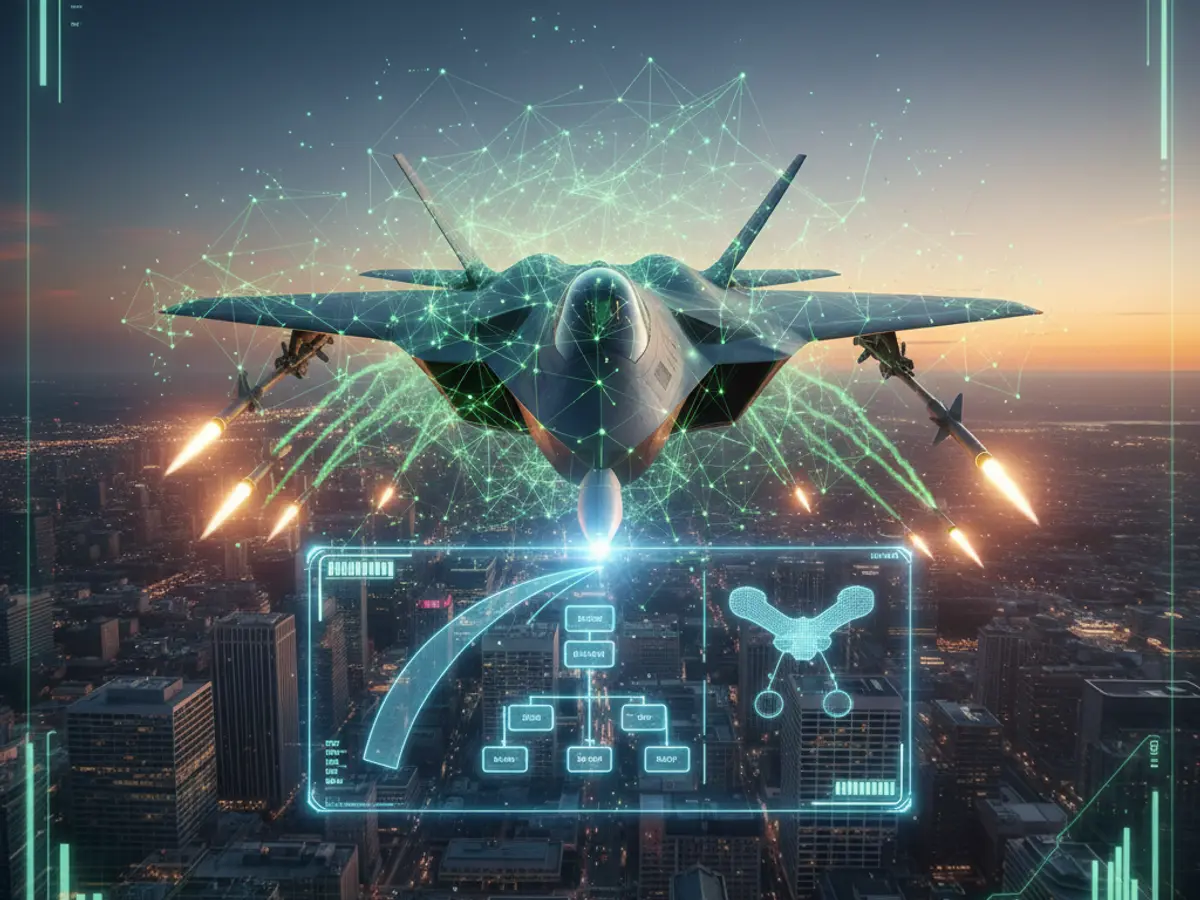
Multi-layer perceptron neural networks are increasingly replacing traditional proportional navigation laws in missile guidance systems, marking a significant advance in military technology. This shift allows for artificial intelligence (AI)-based guidance to manage a wider array of engagement scenarios compared to conventional systems. Capable of adapting to varying target speeds, altitudes, and maneuver patterns, these AI-driven systems represent a pivotal development in combat capabilities.
The use of machine learning in missile guidance enables these systems to continuously refine their performance based on training data. As they process diverse combat scenarios, these neural networks learn guidance strategies that enhance precision and effectiveness. The ability to adapt in real time is particularly crucial in modern warfare, where conditions can change rapidly and unpredictably.
Military analysts suggest that the incorporation of AI into missile systems could lead to a paradigm shift in how engagements are conducted. Traditional guidance systems, while effective, often struggle to keep pace with the dynamic nature of contemporary battlefields. In contrast, AI-enabled missiles are designed to outmaneuver adversaries by rapidly recalibrating their flight paths based on the evolving tactical situation.
This technological evolution is not just about improving accuracy; it’s also about expanding operational capabilities. By leveraging massive datasets, machine learning algorithms can analyze various scenarios that a missile might encounter, from high-speed targets to low-altitude, evasive maneuvers. This adaptability is a game-changer for military planners seeking to maintain an edge over potential adversaries.
The shift toward AI-based guidance systems is reflected in recent developments across the defense industry. Major defense contractors are investing heavily in machine learning technologies to enhance their missile systems. The expectation is that these innovations will culminate in more effective defensive and offensive capabilities, ensuring that armed forces can respond effectively to a wider range of threats.
As these advancements unfold, the implications for military strategy are profound. The integration of AI not only enhances individual weapon systems but also enables a more cohesive approach to networked warfare. By linking multiple systems through AI, militaries can create a more robust operational framework that enhances situational awareness and decision-making on the battlefield.
Looking ahead, the broadening scope of AI in missile guidance systems raises questions about the future of military engagements. While these technologies promise to enhance effectiveness, they also introduce new complexities and ethical considerations in warfare. The ability to deploy missiles equipped with self-learning capabilities may lead to unanticipated consequences, altering the nature of conflict and engagement rules.
The defense industry remains vigilant about these developments, recognizing that the operational landscape is continually evolving. As countries around the world invest in AI-driven military technologies, the balance of power may shift, prompting discussions about arms control and the ethical implications of autonomous systems in warfare. The full impact of AI on missile guidance systems will likely unfold over the coming years, shaping future strategic considerations for nations globally.
See also NASA Integrates AI in Artemis and VIPER Missions to Enhance Lunar Exploration and Data Processing
 AMD and Google Partner with Samsung for U.S. 2nm AI Chip Production in Texas
 Study Reveals AI in Healthcare Reflects Human Biases, Challenging Accountability Norms
 SMCI Scales Rack Capacity to 6,000 Monthly Amid Rising AI Demand
 AI inside Inc. Stock Falls 4.37% to JPY 2582; Future Forecasts Signal Mixed Outlook