


















































Chinese artificial intelligence firm DeepSeek is keeping the global tech community in suspense regarding the launch of its highly anticipated updates to its V3 and R1 models. Analysts have noted this uncertainty is exacerbated by the company’s recent release of technical papers, which highlight its commitment to enhancing AI infrastructure in China. This comes at a time when ongoing geopolitical tensions and domestic production challenges are hindering access to advanced semiconductors needed for training new models, as noted by Zhang Ruiwang, a Beijing-based information systems architect.
“DeepSeek just wants to prove that AI infrastructure innovation would drive efficiency and further scale up performance of models,” Zhang stated. The company’s efforts reflect a broader trend in the industry, where improving foundational technologies is seen as essential to overcoming existing limitations.
Speculation has arisen regarding potential delays in the planned release of DeepSeek’s next-generation V4 and R2 models, which are expected to succeed the V3, launched in December 2024, and the R1, introduced in January last year. Despite the buzz, DeepSeek has refrained from confirming any specifics, including reports suggesting that the V4 could be unveiled during the upcoming Lunar New Year.
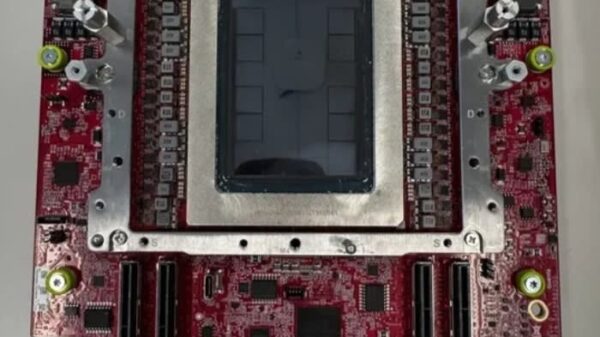
The backdrop to this uncertainty is marked by stringent U.S. restrictions on China’s access to state-of-the-art graphics processing units (GPUs) and advanced chipmaking equipment. These limitations not only complicate DeepSeek’s product development timeline but also highlight a pressing issue faced by AI developers worldwide: a significant shortage of memory chips amid soaring demand from enterprise data centers.
This situation illustrates the precarious balance between technological advancement and geopolitical considerations. Access to crucial semiconductor components is vital for both innovation and competitiveness in the AI sector. As companies like DeepSeek strive to push the envelope of AI capabilities, they are increasingly challenged by external circumstances that could stifle their progress.
The ripple effects of these restrictions are felt beyond Chinese borders, as global AI developers grapple with similar constraints. The shortage of memory chips, specifically, has emerged as a critical bottleneck, affecting not only the pace of new model development but also the overall performance of existing systems.
As the market anticipates further announcements from DeepSeek, industry stakeholders remain watchful for any indications of how these challenges will be addressed. The strategic importance of AI technology continues to grow, with countries vying for leadership in the development of cutting-edge applications.
In this context, DeepSeek’s commitment to enhancing AI infrastructure could serve as a pivotal move in redefining its competitive edge. By focusing on the innovation of foundational technologies, the company aims to position itself favorably amid an increasingly complex landscape.
The coming months will likely reveal how DeepSeek navigates these multifaceted challenges, particularly as it seeks to launch its next-generation models. As the global demand for AI capabilities intensifies, the outcomes of these developments could have far-reaching implications not just for the company, but for the broader AI ecosystem.
See also Chinese AI Firms Set for Fundraising Surge as Stock Valuations Soar 40% Over Nasdaq
 AI Transforms Design with ‘Vibe Coding,’ Bridging Gap Between Designers and Engineers
 MIT Achieves Energy-Efficient AI Chips with Stacked Memory Transistors, Reducing Consumption by 130%
 AI in Politics Panel to Explore Technology’s Role in Elections on January 27 in Texas
 Luxbit.AI Launches Streamlined Payout System for Faster, Transparent Withdrawals