










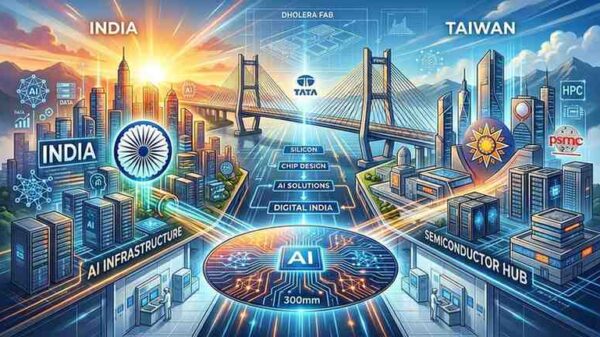
























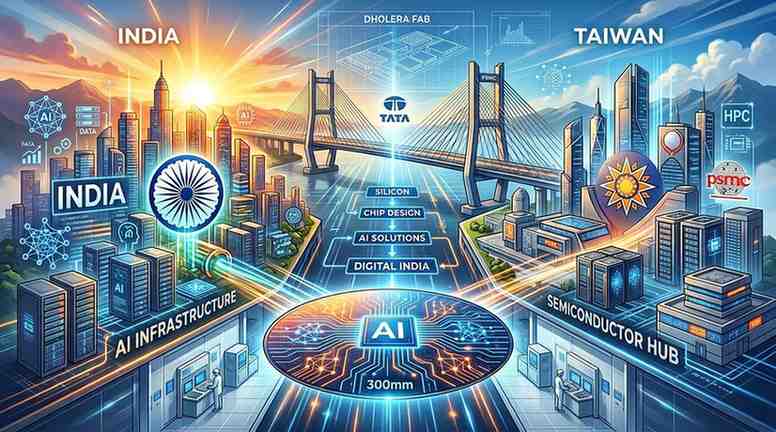
India is rapidly advancing its artificial intelligence (AI) capabilities, seeking to build a robust infrastructure in collaboration with Taiwan. This partnership aims to harness Taiwan’s technological expertise to create a comprehensive ecosystem that supports AI development on the subcontinent. The focus on AI is part of India’s broader strategy to leverage technology to boost economic growth and improve public services.
The collaboration was highlighted during discussions among key stakeholders from both countries this week. Taiwanese representatives emphasized their commitment to sharing knowledge and resources to help India establish a strong AI framework. This initiative aligns with India’s goal to become a global leader in AI technology, which has seen a surge in investment and policy support in recent years.
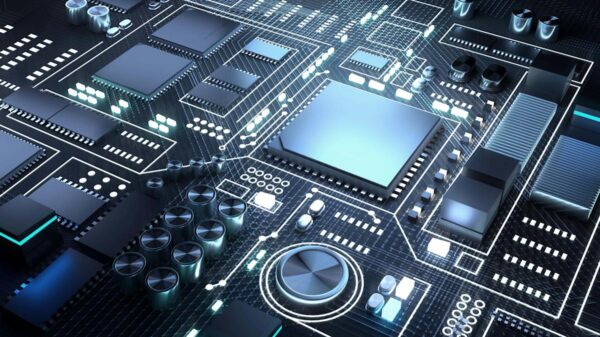
The discussions included specific areas of cooperation, such as semiconductor manufacturing, data analytics, and machine learning. These technology sectors are vital for developing a sustainable AI infrastructure. Experts argue that Taiwan’s advancements in semiconductor technology can significantly enhance India’s capacity to produce AI hardware, crucial for supporting various applications across industries.
India’s ambition to lead in AI is backed by substantial government initiatives, including the National AI Strategy launched in 2018. This strategy focuses on public-private partnerships to foster innovation and enhance skills across several sectors. The recent collaboration with Taiwan complements these efforts, as both countries recognize the transformative potential of AI in various fields, from healthcare to agriculture.
As part of this partnership, Taiwan’s Ministry of Economic Affairs has announced plans to facilitate exchanges of technical expertise and workforce training with Indian institutions. This move is expected to bolster India’s technical capabilities and create a pool of skilled professionals adept in AI technologies. Taiwanese firms are also keen to invest in Indian startups, particularly those focused on AI and machine learning, further solidifying the economic ties between the two nations.
The private sector’s involvement is equally significant. Major Taiwanese companies, known for their prowess in electronics and software development, are exploring joint ventures with Indian tech firms. This collaboration could lead to the creation of innovative AI solutions tailored to meet local needs, enhancing efficiency and productivity across multiple sectors.
Moreover, the partnership signifies a strategic alignment amid increasing global competition in the AI domain. As nations vie for technological supremacy, collaborations such as this one may serve as a blueprint for other countries looking to bolster their AI capabilities. By pooling resources and knowledge, India and Taiwan can enhance their positions in the ever-evolving tech landscape.
The impact of this collaboration may extend beyond technology, influencing diplomatic relations between India and Taiwan. The strengthening of ties through technology could pave the way for broader economic cooperation, potentially leading to mutually beneficial agreements in other sectors, such as trade and investment.
While the groundwork is being laid, analysts suggest that both countries must remain vigilant about challenges such as data privacy and cybersecurity, which are critical in the realm of AI. Addressing these issues will be essential to building trust among users and ensuring the sustainable growth of AI technologies.
In summary, the collaboration between India and Taiwan represents a significant step towards establishing a comprehensive AI infrastructure. By leveraging Taiwan’s technological expertise and India’s ambitious vision, both nations are poised to make substantial advancements in the AI arena. This partnership not only highlights the importance of international cooperation in technology but also sets the stage for India to emerge as a key player in the global AI landscape.
See also Tesseract Launches Site Manager and PRISM Vision Badge for Job Site Clarity
 Affordable Android Smartwatches That Offer Great Value and Features
 Russia”s AIDOL Robot Stumbles During Debut in Moscow
 AI Technology Revolutionizes Meat Processing at Cargill Slaughterhouse
 Seagate Unveils Exos 4U100: 3.2PB AI-Ready Storage with Advanced HAMR Tech