













































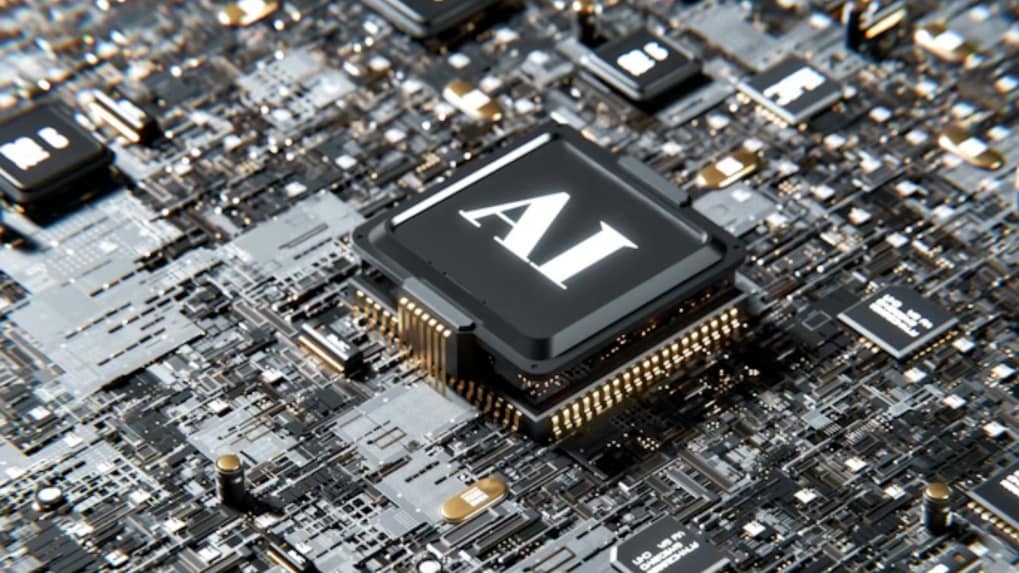
India is poised to enhance its artificial intelligence infrastructure significantly, with plans to offer compute capacity at potentially some of the most competitive rates globally. This announcement was made by Minister of State for Skill Development and Entrepreneurship Jayant Chaudhary during the India AI Summit held on February 20. He emphasized that the cost of compute access in India currently stands at approximately Rs 65 per hour, a rate he noted is lower than typical expenditures for everyday services like cinema tickets.
This pricing strategy is part of the *IndiaAI mission*, which aims to increase access to computing resources to over one lakh GPUs through a public-private partnership model. Chaudhary acknowledged that India still has “a lot of catching up to do” in the global AI landscape but remains optimistic about leveraging a second-mover advantage. He cited strong top-down policy support and recognition of the significance of AI at leadership levels as factors that could help the country address existing structural gaps.
Highlighting the potential of AI to address various challenges, Chaudhary stated, “AI can help us leapfrog problems.” He argued for a human-centric approach to AI, suggesting that with a population exceeding a billion, India has the capacity to transform its demographic strengths into a base of AI producers and innovators instead of relying solely on imported technologies. He stressed the importance of ensuring that regulatory frameworks encourage innovation rather than stifle it, advocating for the government’s role to focus on building enabling infrastructure conducive to experimentation and entrepreneurship.
Chaudhary also underscored the growing importance of academia within India’s AI ecosystem. He remarked that families and educational institutions increasingly recognize the value of research and education as integral to technological leadership. “Academia today is more important than at any time in the Indian context. Every family is realizing the value of research and education,” he noted, reflecting a shift in societal priorities.
The minister pointed out the vast datasets generated within India, warning that the sheer volume of this data could overwhelm governance systems if not processed efficiently. He asserted that AI has the potential to assist in segmenting and analyzing this information, making it more manageable for effective governance. In this context, the government is currently assessing the development of a comprehensive AI stack specifically tailored for the education sector, signifying a targeted approach to harnessing AI’s capabilities.
Chaudhary concluded with a forward-looking perspective on the future of AI in India, suggesting that a combination of innovative regulation, robust academic contributions, and strategic partnerships could foster an environment ripe for technological advancements. This development comes at a time when nations worldwide are racing to establish themselves as leaders in AI technology, making India’s commitments particularly noteworthy. By creating a conducive ecosystem for AI development, India could potentially reposition itself as a competitive player in the global artificial intelligence arena.
See also OpenAI Cuts 2030 Compute Spending Target to $600B, Down 57% from $1.4T
 India AI Summit 2026: $110B Infrastructure Pledges from Reliance, Tata, and Adani
 Nvidia Projects 65% Revenue Growth Amid Surging AI Spending, TSMC Sees 30% Boost
 Wendy Hall Highlights Gender Imbalance in AI as Inclusivity Threatens Innovation
 China’s ByteDance and Baidu Ramp Up US AI, Semiconductor Hiring Amid Competition