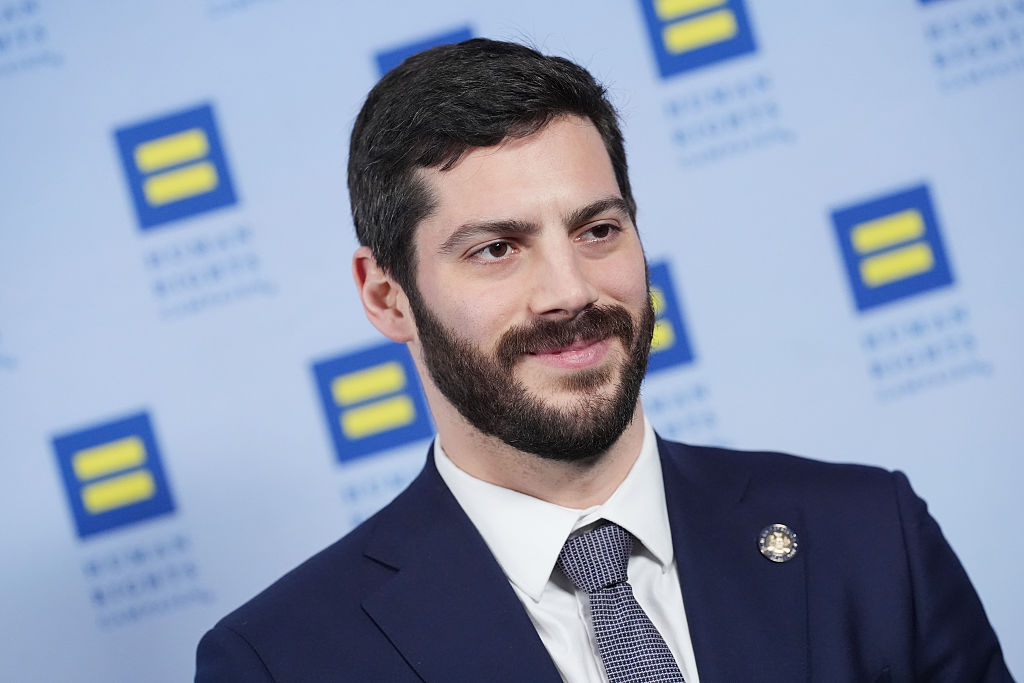
New York Assembly member Alex Bores has found himself at the center of a contentious congressional race, particularly as pro-AI super PACs engage in a costly battle over his candidacy. The group Leading the Future, supported by over $100 million from notable investors such as Andreessen Horowitz, OpenAI President Greg Brockman, AI search startup Perplexity, and Palantir co-founder Joe Lonsdale, has launched a campaign to thwart Bores’ bid for New York’s 12th congressional district.
Bores, undeterred by the financial might arrayed against him, has responded with a confident challenge. His position has gained traction with the backing of Public First Action, a PAC bolstered by a $20 million donation from Anthropic. This group is spending $450,000 to elevate Bores’ profile in the race, presenting a pro-AI narrative that emphasizes transparency, safety standards, and public oversight in technology governance.
The rivalry between these two PACs has become increasingly hostile. Leading the Future has already invested $1.1 million in advertisements aimed at discrediting Bores, primarily due to his sponsorship of New York’s RAISE Act, legislation that mandates major AI developers disclose their safety protocols and report serious misuse of their systems. This act aims to increase accountability within the rapidly evolving AI sector, a move that has drawn ire from industry backers.
Bores’ legislative efforts reflect a growing movement among policymakers to address the challenges posed by artificial intelligence. As AI technologies proliferate, concerns over their ethical implications and governance have intensified. The RAISE Act is seen as a critical step towards ensuring that AI advancements align with societal values and safety standards.
While Leading the Future has taken an aggressive stance against Bores, Public First Action’s support may signal a shift in the narrative around AI policy, placing greater emphasis on responsible development rather than unchecked growth. The contrasting visions presented by these PACs underscore the broader debate within the tech industry about the future of AI regulation.
As the campaign unfolds, the outcome could have significant implications for how AI policies are shaped at the federal level. With both PACs vying for influence, the discourse surrounding AI ethics, safety, and transparency is likely to intensify, drawing in more stakeholders across various sectors.
In this heated political climate, Bores’ candidacy and the surrounding PAC activities not only highlight the intersection of technology and governance but also reflect the urgent need for robust frameworks that can adapt to the rapid advancements in AI. As voters in New York’s 12th congressional district weigh their choices, the implications of this race may resonate beyond local boundaries, influencing national conversations on AI policy and regulation.
See also Motif Technology Joins South Korea’s AI Foundation Model Project, Targets 300 Billion Parameters
 Vietnam’s AI Adoption Hits 89.3% Among Students, Reveals Major Literacy Gaps
 Foreign Firms Target India as Key AI Investment Hub Amid Data and Policy Advantages
 Philippe Bolopion: AI in Autocratic Hands Accelerates Global Human Rights Threats
 Netanyahu Launches AI Server Farm Initiative to Boost Israel’s Global Tech Leadership