










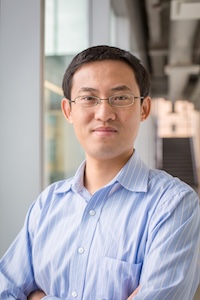
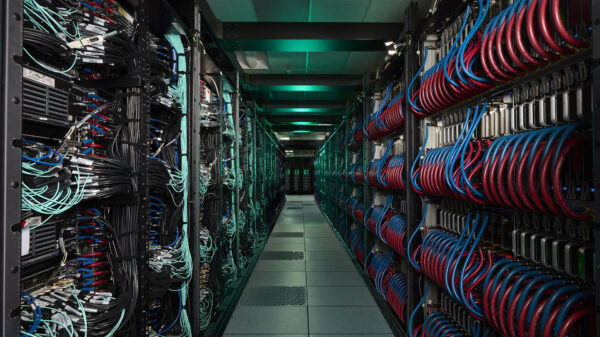



































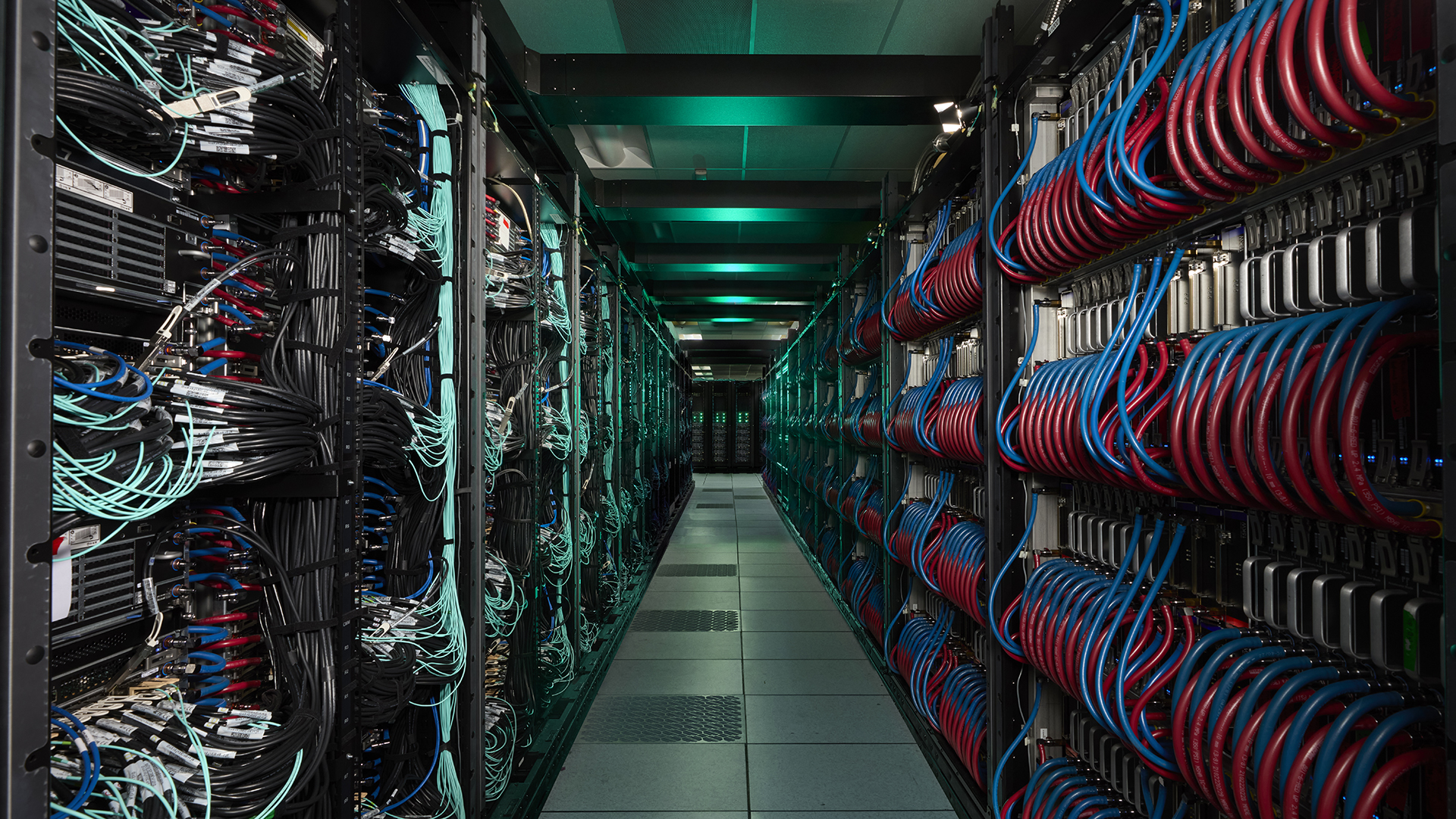
Judy Hill, Deputy for High Performance Computing at Lawrence Livermore National Laboratory (LLNL), recently highlighted the critical role of high-performance computing (HPC) in advancing scientific research and innovation at the Livermore Computing center. The U.S. is prioritizing HPC to harness its potential for energy savings, emissions reduction, and enhancing global competitiveness in technology. At LLNL, HPC is now recognized as the ‘third pillar’ of research, joining theory and experimentation as an equal contributor.
LLNL has been at the forefront of HPC for decades, with its history dating back to the laboratory’s founding. The Lab’s first major acquisition was a UNIVAC 1 computer in 1953. Today, LLNL continues to break new ground in computational capabilities with systems such as El Capitan, which has achieved exascale performance with nearly two exaFLOPs. This benchmark makes it the fastest supercomputer in the world, facilitating research in areas ranging from weapons simulation to advanced artificial intelligence and machine learning.
Collaborating with companies like HPE, AMD, NVIDIA, and Intel, LLNL engages in co-design partnerships to develop systems tailored to specific applications. For instance, the AMD MI300As in El Capitan are accelerated processing units (APUs) that integrate CPU and GPU capabilities in a single package. This design addresses the need for seamless interaction between different computing processes, thereby eliminating bottlenecks.
LLNL’s contributions to the global HPC landscape extend beyond hardware. The laboratory has developed and released numerous open-source software projects on GitHub, including Spack for package management and Flux for workload management. These tools have become essential for the broader HPC community, allowing researchers to share their solutions and foster innovation collaboratively. Furthermore, LLNL is committed to training the next generation of computational scientists through summer programs and educational initiatives.
Currently, Livermore Computing’s main priorities focus on optimizing the use of El Capitan and integrating AI capabilities into existing workflows. With El Capitan operational, LLNL is dedicated to enhancing its performance by tuning critical applications and developing memory models that leverage the architecture’s unique design. The lab’s vision also extends to a future where users interact with HPC environments more like cloud services, moving away from traditional batch-scheduled systems.
As LLNL works to optimize El Capitan’s capabilities, it is also integrating AI into its processes. This integration is part of the Department of Energy’s Genesis Mission, which aims to improve developer productivity and leverage machine learning to accelerate physics simulations. Notably, the lab is exploring cloud methodologies to create a ‘hybrid HPC Center of the Future’ that incorporates the advantages of both on-premises and cloud-based systems.
Despite the advancements, several challenges remain that could hinder innovation in HPC. The rapid growth of AI and machine learning presents both opportunities and threats. While AI can enhance simulation and modeling, the commercial focus on AI is shifting resources away from the rigorous requirements of traditional scientific computing. Additionally, the rise of cloud computing poses integration challenges with high-utilization HPC workloads, necessitating a hybrid approach that combines both paradigms.
Another significant hurdle is the shortage of skilled professionals in the HPC ecosystem. As the complexity of computational tasks increases, the demand for individuals knowledgeable in both HPC and AI is growing. LLNL emphasizes the need for educational programs to prepare a workforce capable of addressing the evolving landscape of computational science.
LLNL’s HPC capabilities have enabled significant breakthroughs across various fields, including national security, materials science, and biomedical research. In the realm of nuclear security, LLNL uses multiphysics simulations to modernize the nuclear stockpile, enhancing safety without relying on underground tests. Furthermore, the laboratory’s National Ignition Facility achieved a landmark in December 2022 when it demonstrated fusion ignition, a culmination of decades of HPC research in complex physics.
During the COVID-19 pandemic, LLNL swiftly redirected its HPC resources to aid in the national response, screening millions of potential antibody variants against SARS-CoV-2. This rapid pivot highlighted the lab’s capability to adapt and leverage its computational resources effectively. Projects like GUIDE illustrate the potential for HPC- and AI-driven approaches to tackle pressing global health challenges.
As the HPC landscape continues to evolve, LLNL’s commitment to innovation promises to keep the U.S. at the forefront of computational science. By addressing challenges and investing in future capabilities, the laboratory aims to remain a pivotal player in the global HPC ecosystem and drive advancements that have far-reaching implications for science and technology.
See also Tesseract Launches Site Manager and PRISM Vision Badge for Job Site Clarity
 Affordable Android Smartwatches That Offer Great Value and Features
 Russia”s AIDOL Robot Stumbles During Debut in Moscow
 AI Technology Revolutionizes Meat Processing at Cargill Slaughterhouse
 Seagate Unveils Exos 4U100: 3.2PB AI-Ready Storage with Advanced HAMR Tech