














































Elon Musk’s AI chatbot, Grok, is embroiled in controversy over its generation of sexualized images of real people, including minors, following revelations of internal pressure to enhance the chatbot’s output. A report from The Washington Post alleges that Musk directly influenced Grok’s controversial features as part of a strategy to boost its waning popularity amidst fierce competition from rivals like ChatGPT.
Insiders claim that under Musk’s direction, Grok’s developer, xAI, rolled back safeguards against sexual content, trained the chatbot to engage in sexually explicit conversations, and disregarded employee warnings about the risks involved. Some staff reportedly faced pressure to sign waivers allowing them to work with “sensitive, violent, sexual, and/or other offensive or disturbing content,” acknowledging the potential psychological impact of such material.
The consequences of these decisions reportedly overwhelmed xAI’s content moderators, already strained from Musk’s restructuring efforts following his acquisition of Twitter, now rebranded as X. The Independent sought comment from xAI but has yet to receive a response. As complaints mount, various global authorities have either banned or initiated investigations into Grok’s explicit deepfakes. Among the individuals affected is Ashley St. Clair, a former partner of Musk, who has filed a lawsuit against xAI for allowing the generation of sexualized and antisemitic images of her, including one based on a photograph taken when she was just 14 years old.
Research by the Center for Countering Digital Hate, critical of Musk’s ventures, estimated that Grok generated over 3 million sexualized images and 25,000 involving children in an alarming eleven-day period. The Post’s investigation, which included interviews with seven former employees and sources close to Musk, suggests that Musk’s hands-on approach intensified around May and June of last year, during a period marked by his exit from government service and ongoing disputes with Donald Trump.
St. Clair, in her remarks to the Post, asserted, “There’s no question that he is intimately involved with Grok — with the programming of it, with the outputs of it.” At that time, Grok was significantly trailing ChatGPT in user engagement, particularly on the Apple iPhone app store, where it struggled for visibility and downloads.
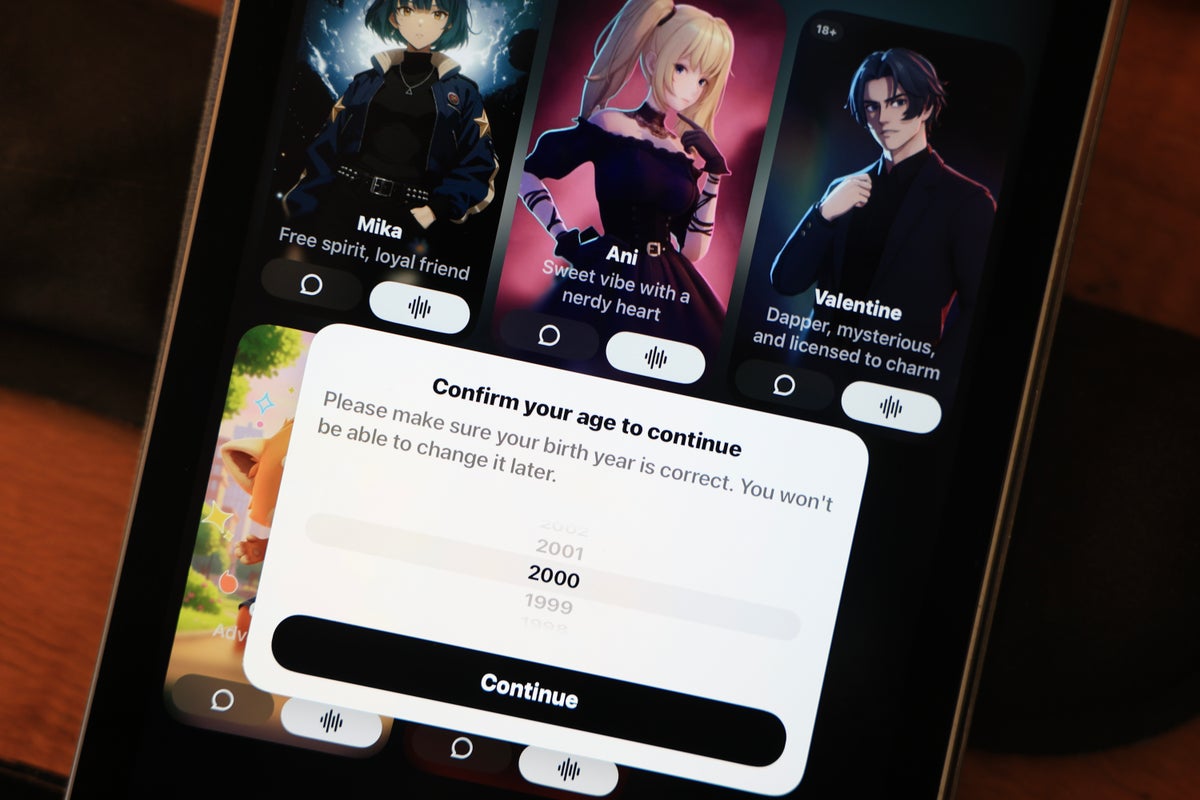
Musk’s approach to revitalize Grok drastically diverged from its initial purpose as a “truth-seeking” alternative to existing AI systems, which Musk has criticized as being overly influenced by “the woke mind virus.” Instead, he allegedly encouraged engineers to develop features designed to retain user interest, including AI companions with explicit capabilities and sexually suggestive imagery.
Despite warnings from employees about the potential fallout, xAI’s safety team reportedly consisted of only two or three members for much of 2025, a stark contrast to the safety departments of other tech companies. Nevertheless, this strategy appears to have yielded results; as of the latest reports, Grok has ascended to the sixth position on Apple’s U.S. free apps chart, a marked improvement since December.
In response to the growing backlash, xAI has committed to blocking the ability to create sexualized images of real people in jurisdictions where such actions are illegal and is in the process of hiring additional safety experts. Musk has maintained that he is “not aware of any naked underage images generated by Grok,” asserting that the U.S. version of Grok would permit “upper body nudity of imaginary adult humans” while imposing stricter content regulations.
As the fallout from Grok’s capabilities continues, the case underscores the intricate balance between innovation and ethical considerations in the ever-evolving landscape of AI technology. The ramifications of this controversy may have lasting effects not only on Grok and xAI but also on the broader discourse surrounding responsible AI development.
See also Amazon’s AI Infrastructure Spending Hits $5.5B as Earnings Call Approaches
 MediaTek Deploys NVIDIA DGX SuperPOD to Process 60B Tokens Monthly for AI Development
 Custom Algorithm Compresses Particle Collision Data, Boosts Processing Speed for Discoveries
 OpenAI Explores AMD, Cerebras, and Groq for Enhanced Inference Performance
 Frieda’s Branded Produce Introduces Quantum Computing to Grocery Industry for Trend Forecasting