










































Amid the global surge of interest in artificial intelligence (AI), a new wave of startups is emerging, focusing on long-term basic research and the development of next-generation AI models. These companies, often referred to as “Neo Labs,” are attracting substantial investment despite having little more than innovative ideas to show for themselves. Experts caution that the expectation of commercialization may be overly optimistic.
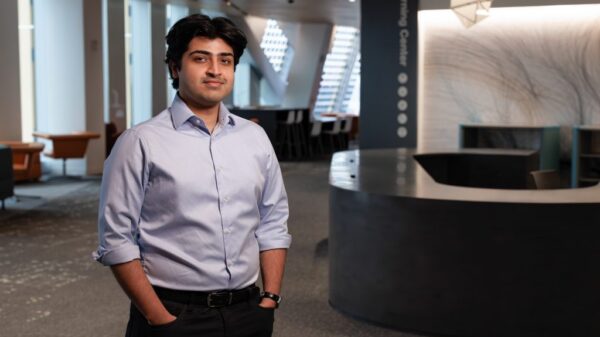
The Wall Street Journal reported on January 28 that Neo Labs are drawing unprecedented funding, with investors hoping to replicate the success of OpenAI. One standout example is Flapping Airplanes, founded by Stanford University Ph.D. student Ben Spector. The company has not yet launched any products but has secured $180 million from Google Ventures and Sequoia Capital based purely on its concept of developing AI models that maximize data efficiency. Valued at $1.5 billion, Flapping Airplanes aims to imbue AI with the principles of human biological intelligence, inspired by the way birds flap their wings.
Spector is confident that his small but talented team can challenge existing frameworks, stating, “A small team of geniuses that break the existing framework is a winning organization.” This optimism mirrors the broader trend where investors are betting on the potential of these startups to achieve groundbreaking advancements similar to those seen with ChatGPT.
As the AI landscape evolves, the allure of basic research is reshaping investment strategies. Safe Super Intelligence (SSI), led by former OpenAI researcher Ilya Sutskever, exemplifies this shift. The company has amassed $3 billion in funding to pursue its abstract goal of creating safe superintelligence without guaranteeing any immediate products or services. Such investments indicate a paradigm shift where foundational research is becoming a viable business model, previously the domain of larger tech companies.
However, these ambitious aims come with significant challenges. Experts highlight the technical barriers that many Neo Labs face. Ash Garg, a partner at venture investment firm Foundation Capital, warned that “if it is only ‘a little’ better than existing alternatives, it is difficult to survive in the market.” The competitive landscape for talent adds additional pressure, as major tech companies are able to offer exceptional compensation packages, with key hires often garnering offers exceeding $300 million.
The academic community is voicing concerns as well. With many promising scholars choosing to join startups instead of remaining in research positions, the stability of academic research is increasingly at risk. Stephano Ermón, a professor at Stanford University, remarked that this trend could lead to a significant decline in the number of scholars remaining in academia, ultimately undermining the foundation needed to educate future generations.
As the race for AI innovation intensifies, the dual narratives of hope and caution will likely continue to shape the discourse around Neo Labs and their potential to redefine the industry landscape. Investors remain eager for the next big breakthrough, but the challenges posed by technical feasibility and talent acquisition are substantial. The future trajectory of these startups may hinge not only on the viability of their ideas but also on their ability to navigate the increasingly competitive environment of the AI sector.
See also TSMC Surpasses Intel with 25.5% Revenue Growth Amid AI Infrastructure Boom
 AI Hardware Demand Surges as TrendForce Projects 134% Growth in Memory Sector by 2026
 China Approves Nvidia H200 Sales, Impacting AI Infrastructure and Pricing Strategies
 CoreWeave Surges 40% Following Nvidia’s $2.1B Investment as Arista Rises 10%
 Rwanda Launches AI Initiative in 50 Clinics to Enhance Healthcare Efficiency