






























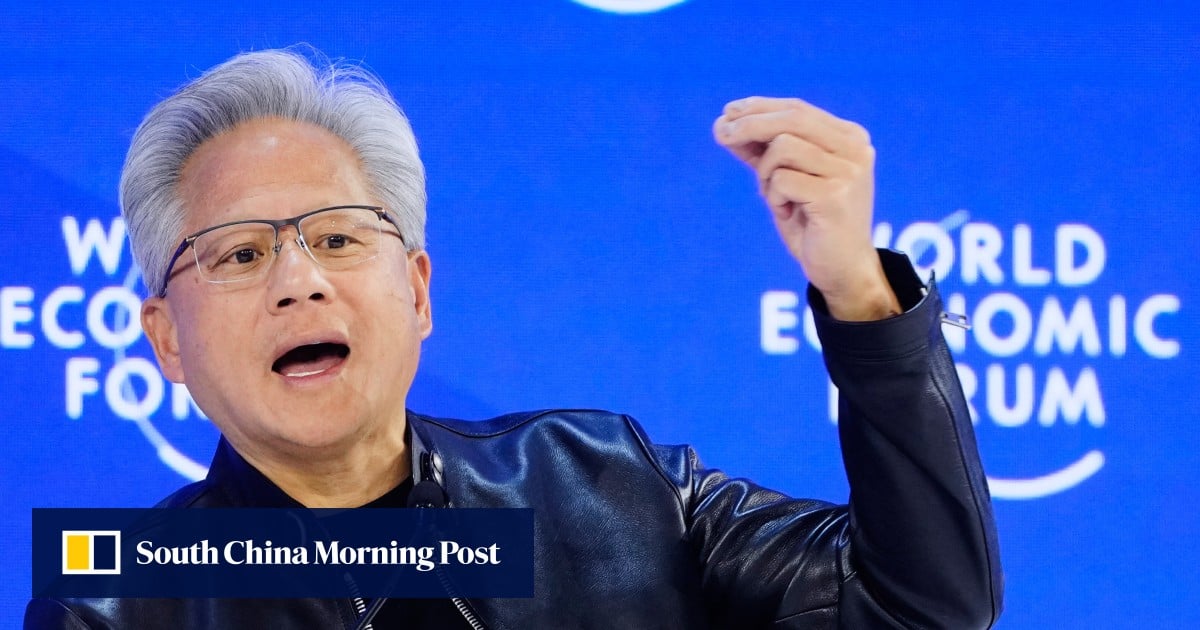
Nvidia CEO Jensen Huang has embarked on a visit to China, starting with a stop at the chipmaker’s office in Shanghai. The trip coincides with expectations that Beijing will soon permit imports of the company’s H200 artificial intelligence chips, according to various media reports.
During his visit, Huang met with local staff to review Nvidia’s milestones for 2025 and discuss the product pipeline for the upcoming year. However, reports from Tencent Holdings indicate that the H200 chip was not specifically mentioned during these discussions. A photograph surfaced showing a grey-haired man resembling Huang, dressed in black, surrounded by employees outside what appeared to be the Nvidia building in Shanghai.
Huang is also anticipated to visit Nvidia offices in Beijing and Shenzhen as part of a tradition he has maintained for the past two years, celebrating the Lunar New Year with employees and business partners. This year’s Lunar New Year holiday begins in mid-February.
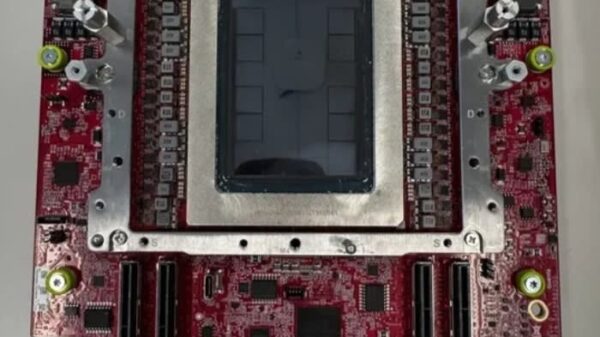
Nvidia did not respond to an email inquiry on Saturday, sent outside of business hours. The timing of Huang’s visit is critical, as the H200 chip, which ranks as Nvidia’s second most powerful AI chip, has yet to navigate through regulatory hurdles in China. Just last week, the US government approved exports of the H200, imposing a 25 percent fee for the transactions. Nevertheless, a temporary import ban from Beijing has created uncertainty regarding the chip’s availability in the Chinese market.
As demand for AI technology soars, some Chinese developers have resorted to unofficial channels to acquire the H200 chips. The escalating interest in AI capabilities among companies in China has intensified the competition for these advanced chips, highlighting the urgency for Nvidia to secure a foothold in this crucial market.
The geopolitical landscape surrounding technology and trade has further complicated the situation. As US-China relations remain tense, the regulation of high-tech exports is closely monitored, impacting companies like Nvidia and their strategic decisions. The H200 chip’s availability remains a key factor in Nvidia’s ability to compete effectively in the rapidly evolving AI sector, especially as Chinese firms continue to innovate.
Nvidia’s engagement in China illustrates the broader significance of its global strategy. As the company positions itself within the competitive AI chip market, Ming-Chi Kuo, a renowned analyst, suggests that Nvidia’s ability to facilitate its products in both the US and Chinese markets could define its future growth trajectory. The balance of innovation and regulatory compliance will be critical as Nvidia navigates this intricate landscape.
Looking ahead, Nvidia’s ongoing discussions and potential agreements with Chinese authorities may pave the way for a more stable presence in the world’s largest semiconductor market. With the Lunar New Year approaching, Huang’s visit not only emphasizes the company’s commitment to its workforce but also signals the importance of maintaining robust business relationships amid regulatory challenges.
See also Nigeria Advances AI Legislation, Targeting High-Risk Systems by March 2026
 Intel’s 14% Stock Drop Reveals Supply Issues Amid AI Demand Surge
 Astera Labs Doubles Revenue to $230.6M, Eyes $20B AI Connectivity Market
 Applied Digital Secures $16B in Data Center Leases, Poised for 1,000% Growth Potential
 DJ Masatane Muto Uses AI to Overcome ALS, Achieving 90% Accuracy in Brain Wave Control