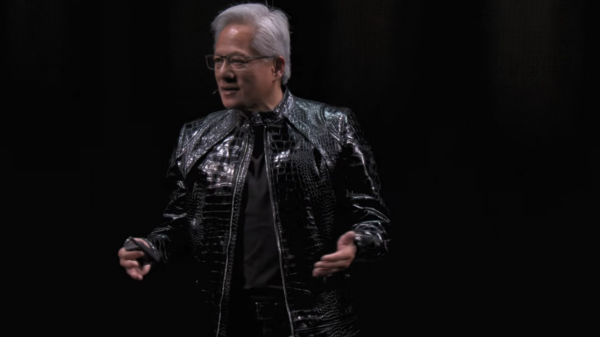











































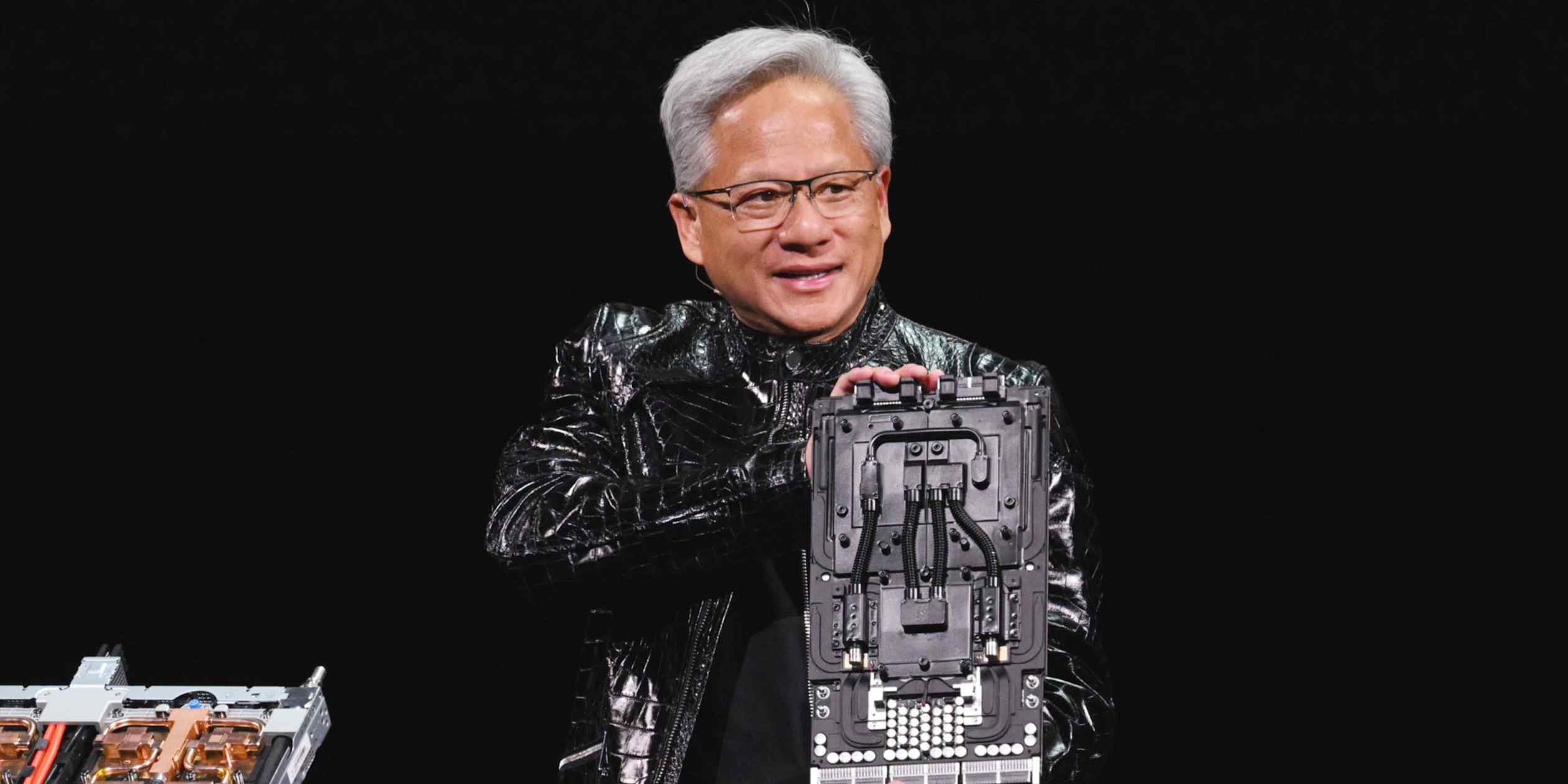
LAS VEGAS — Nvidia founder and CEO Jensen Huang declared that the “ChatGPT moment” for physical AI has arrived, signaling a significant shift in the industry during a keynote speech at the CES tech show on January 5. This announcement underscores the growing impact of artificial intelligence technologies on various sectors, moving from digital applications to tangible, physical implementations.
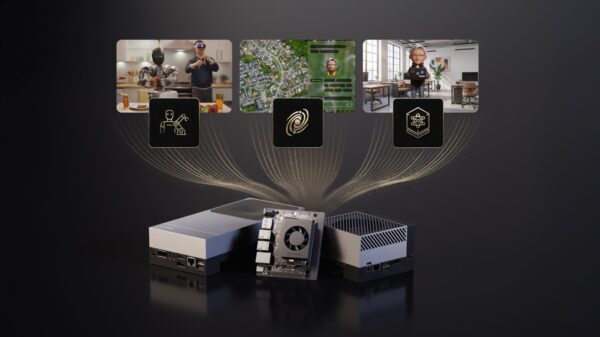
Nvidia detailed that its next-generation Rubin AI chips are currently in “full production” and are expected to be available in the second half of 2026. This development marks a crucial evolution in Nvidia’s product lineup, as the Rubin chips are set to succeed the Blackwell series, which has been pivotal in driving advancements in AI capabilities. The excitement surrounding these new chips highlights Nvidia’s commitment to maintaining its competitive edge in the fast-paced AI landscape.
The Rubin chips promise enhanced performance, particularly in AI-driven applications, which are becoming increasingly critical across multiple industries, from automotive to healthcare. The emphasis on physical AI signifies a broader trend where companies are integrating AI into their core operations to improve efficiency, productivity, and decision-making processes.
In his address, Huang emphasized that the advancements in AI technology are not just incremental but represent a transformative leap akin to the advent of generative AI. He pointed to the implications of physical AI in reshaping how machines interact with the world, enhancing their ability to perceive, understand, and respond to their environments in real time.
This shift comes at a time when competition among tech giants is intensifying. Companies are increasingly investing in AI research and development to harness its potential, aiming to create smarter, more capable machines that can assist in various tasks, from manufacturing to logistics. Huang’s remarks underscore the urgency for companies to innovate and adapt to this rapidly evolving landscape.
The demand for AI solutions continues to surge, driven by the need for automation and intelligence in operations. As industries increasingly turn to AI for solutions, Nvidia’s focus on delivering powerful hardware to support these technologies positions it favorably in the market. The expectation is that the Rubin chips will not only cater to existing demands but also stimulate new applications of AI that have yet to be fully explored.
In summary, Nvidia’s announcement regarding the Rubin AI chips represents a pivotal moment in the integration of AI into physical environments. As Huang noted, the “ChatGPT moment” signifies the potential for AI to fundamentally alter the operational dynamics of numerous industries by enhancing machine capabilities. As the tech world looks toward the future, the implications of these advancements will likely shape not only the market landscape but also the everyday experiences of individuals engaging with technology.
See also AI-Generated Images of Maduro Strike Misinformation, Garner 14M Views on Social Media
 Orbit AI Achieves 21 Consecutive Operational Days with New Satellite, Reinforcing Intellistake’s Infrastructure Vision
 AMD Unveils Helios AI Rack and MI500 GPUs Promising 1,000x Performance Boost at CES 2026
 Baidu and Huawei Capture 70% of China’s GPU Cloud Market Amid U.S. Export Controls