

































Nvidia (NVDA 2.17%) has solidified its dominance in the artificial intelligence (AI) sector, primarily through its advanced graphics processing units (GPUs). These chips are instrumental in powering large language models and executing complex problem-solving tasks. As AI companies strive to launch their platforms quickly to capitalize on market opportunities, they have turned to Nvidia’s cutting-edge products. This rush has contributed to remarkable growth, with Nvidia’s revenue surging 65% to exceed $215 billion in its most recent fiscal year.
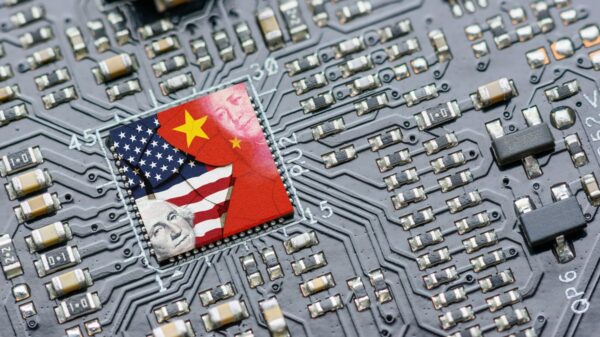
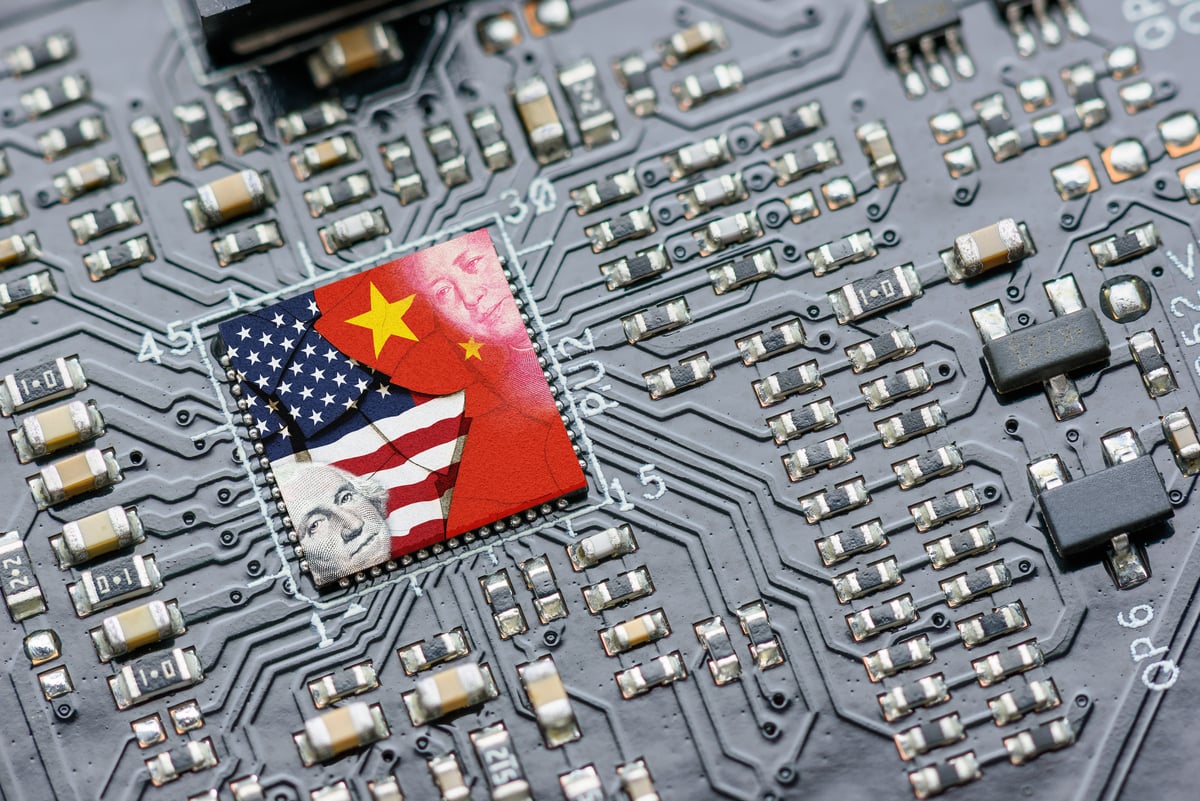
However, one significant customer segment has been notably absent: China. U.S. export controls on high-performance chips have restricted Nvidia’s ability to enter this critical market. Nonetheless, recent developments suggest a potential thaw in relations. The U.S. has granted permission for the export of a specific chip, and Nvidia has indicated that it is ramping up manufacturing, signaling a possible return to the Chinese market.
To understand the context, it is essential to revisit the series of export restrictions that began in 2022. Initially, the U.S. prohibited the sale of the most powerful chips to China, citing national security concerns. In response, Nvidia developed the H20 chip to comply with these guidelines, allowing for continued operations in China. However, the situation worsened in early 2023 when the U.S. imposed stricter regulations requiring specific licenses for chip exports. This led to a significant setback for Nvidia, which incurred a $4.5 billion charge for unsold inventory. Nvidia’s CEO, Jensen Huang, engaged with U.S. officials, including former President Donald Trump, advocating the importance of re-entering the Chinese market to maintain American leadership in AI.
In December 2023, the U.S. approved Nvidia’s export of the H200 chip, which is more powerful than the H20 but not as advanced as Nvidia’s latest Blackwell and Blackwell Ultra products. However, this approval came with the stipulation that Nvidia must share 25% of its sales revenues in China with the U.S. The complexities of this arrangement delayed Nvidia’s ability to commence exports, as the company needed to assess China’s receptiveness to the imported technologies and restart production.
At the recent GTC conference, Huang provided encouraging news, announcing that the H200 chip has received licenses for “many customers” in China, and orders are already on the books. Manufacturing efforts are now underway to meet this burgeoning demand. Huang anticipates that the H200 chips could hit the Chinese market within weeks, and he aims for approval to export the more advanced Blackwell chips by early next year, coinciding with the U.S. market’s introduction of Nvidia’s newest platform, Vera Rubin.
This renewed access to China could translate into significant revenue for Nvidia. Historically, sales in China constituted 13% of Nvidia’s total revenue in the 2025 fiscal year. If this percentage holds, it implies that China could contribute nearly $28 billion to Nvidia’s annual sales. Huang noted in an October interview with CNBC that the potential market opportunity in China could reach “a couple of 100 billion dollars by the end of the decade.”
While optimism surrounds Nvidia’s return to China, challenges remain. The company must restart the H200 production process and navigate the complexities of exporting to a market that has seen local competitors gain traction during Nvidia’s absence. This competition could dampen demand for Nvidia’s H200 products. Nonetheless, the positive response thus far from Chinese customers offers a glimmer of hope for Nvidia’s future revenue streams.
As developments unfold, the significance of the Chinese market for Nvidia cannot be understated. The company appears poised to leverage this opportunity as the narrative of AI continues to evolve, potentially securing its role as a pivotal player in a rapidly changing technological landscape.
See also Tesseract Launches Site Manager and PRISM Vision Badge for Job Site Clarity
 Affordable Android Smartwatches That Offer Great Value and Features
 Russia”s AIDOL Robot Stumbles During Debut in Moscow
 AI Technology Revolutionizes Meat Processing at Cargill Slaughterhouse
 Seagate Unveils Exos 4U100: 3.2PB AI-Ready Storage with Advanced HAMR Tech