





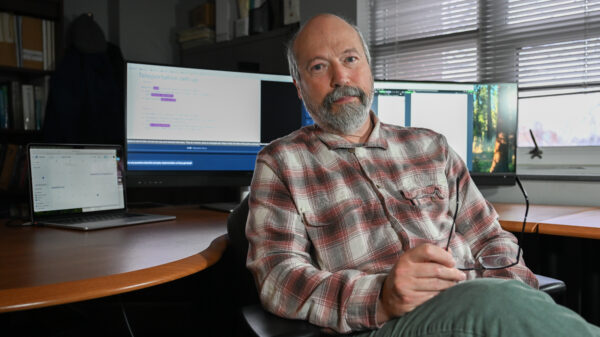






















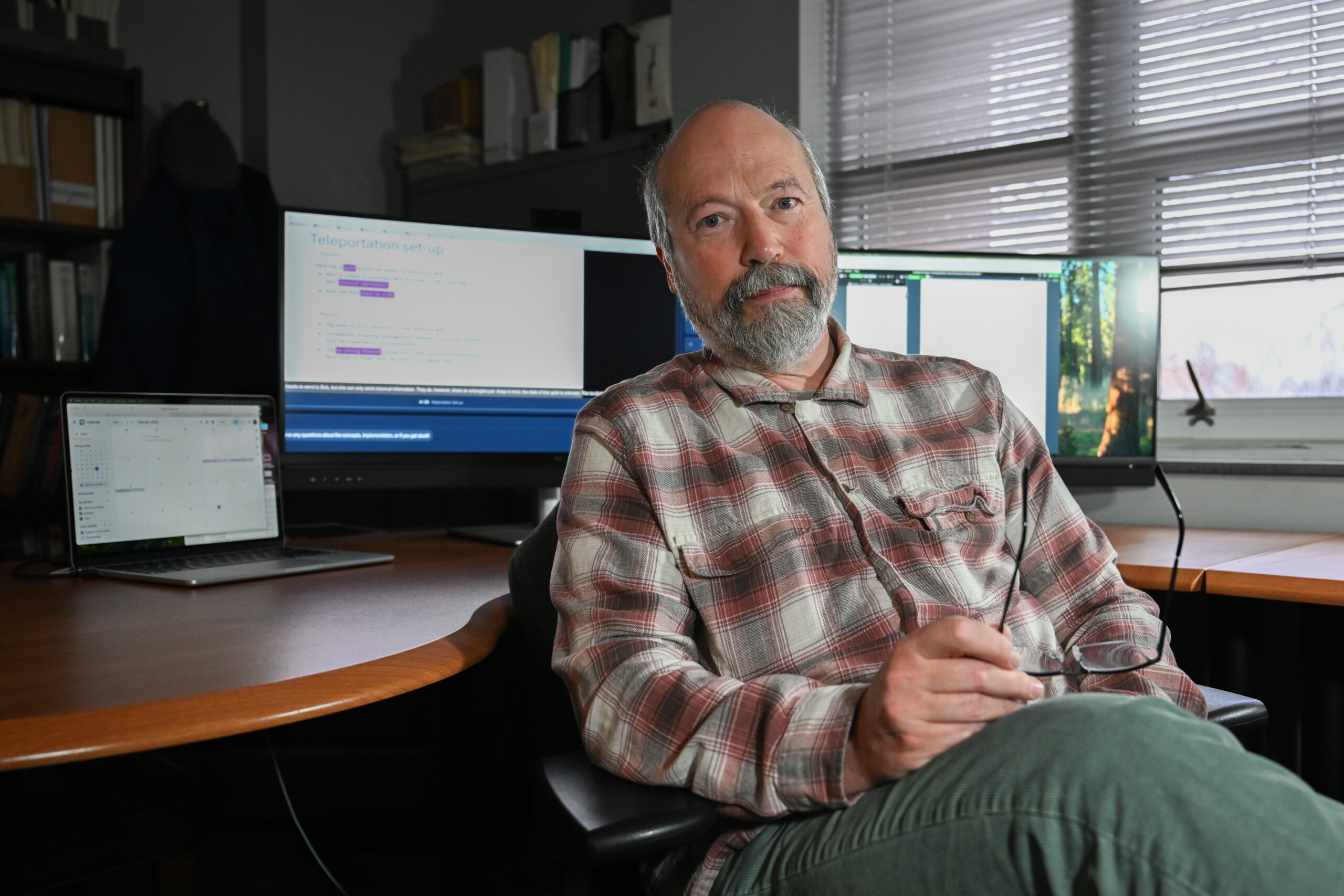
OLD DOMINION UNIVERSITY, Norfolk — A new artificial intelligence (AI) quantum computing tutor developed by Old Dominion University (ODU) aims to transform how students learn complex concepts in quantum computing. This innovative tool, designed to enhance independent learning while keeping instructors informed of student challenges, is currently being tested in advanced quantum computing courses by Professor Nikos Chrisochoides and Ph.D. candidate Iizalaarab “Izzy” Elhaimeur.
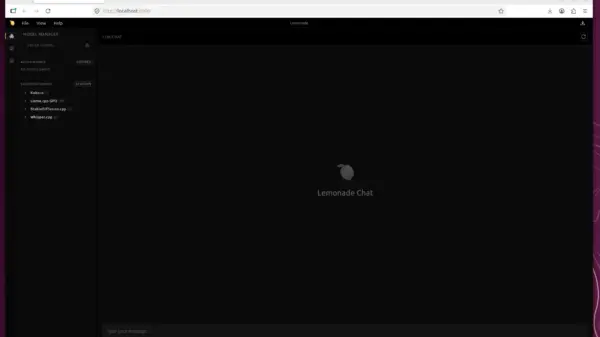
Supported by ODU’s MonarchSphere Powered by Google Cloud, recognized as the first AI incubator for higher education in the nation, the tutor differs from traditional AI systems. Instead of merely providing answers, it fosters a continuous learning experience. Students engage with the system through virtual lessons and a real-time chat feature, which guides them to find solutions and clarifies complex topics before they attend class.
“If I were a student, I would be exhilarated, because then I’d have someone 24/7 to help me with almost everything that I need,” said Dr. Chrisochoides, the Richard T. Cheng Endowed Chair and professor of computer science at ODU. The system incorporates “guardrails” to keep students focused on their current study material, preventing them from delving into concepts they have not yet mastered. This ensures targeted assistance as students progress through their coursework.
Dr. Chrisochoides noted that the tutor allows him to preemptively address student struggles. “When I go to class, I am ready as if I’m reading their minds,” he said, emphasizing the tool’s capacity to reveal common difficulties students face. This enables a more efficient and targeted classroom experience, allowing deeper exploration of quantum computing topics, a notoriously challenging area of study.
As Elhaimeur pointed out, “Quantum computing is hard, and every student comes in with a different background. This system meets them where they are and gives professors visibility into where the class is struggling.” The AI tutor further collects learning analytics from its interactions, contributing to ongoing improvements in its functionality.
Research findings on the AI tutor were published in Spring 2025 after being presented at the Institute of Electrical and Electronics Engineers (IEEE)’s International Conference on Quantum Computing and Engineering in August. Both Dr. Chrisochoides and Elhaimeur are committed to expanding the system’s applicability across various subjects, with an eye towards enhancing workforce development in quantum computing.
“My hope is that we can expand it to more courses and lower the barrier for students to tackle subjects they might otherwise avoid,” said Elhaimeur. This initiative exemplifies how the partnership between ODU and Google positions the university at the forefront of AI innovation in education, serving as a model for institutions nationwide on how to equip students and faculty with advanced technological tools.
Broader implications of the AI quantum computing tutor extend beyond individual courses. Dr. Chrisochoides emphasized that it has the potential to empower students, enhance the effectiveness of professors, and assist AI content developers in refining educational materials based on aggregated learning data. As educational institutions increasingly embrace technology in their curricula, tools like this AI tutor may redefine how complex subjects are taught and understood.
See also Tesseract Launches Site Manager and PRISM Vision Badge for Job Site Clarity
 Affordable Android Smartwatches That Offer Great Value and Features
 Russia”s AIDOL Robot Stumbles During Debut in Moscow
 AI Technology Revolutionizes Meat Processing at Cargill Slaughterhouse
 Seagate Unveils Exos 4U100: 3.2PB AI-Ready Storage with Advanced HAMR Tech