







































On February 11 in New York City, Glossy will host AI Marketing Strategies, a one-day event focusing on the integration of artificial intelligence in marketing processes. Industry leaders will explore experiences and emerging best practices in this evolving field.
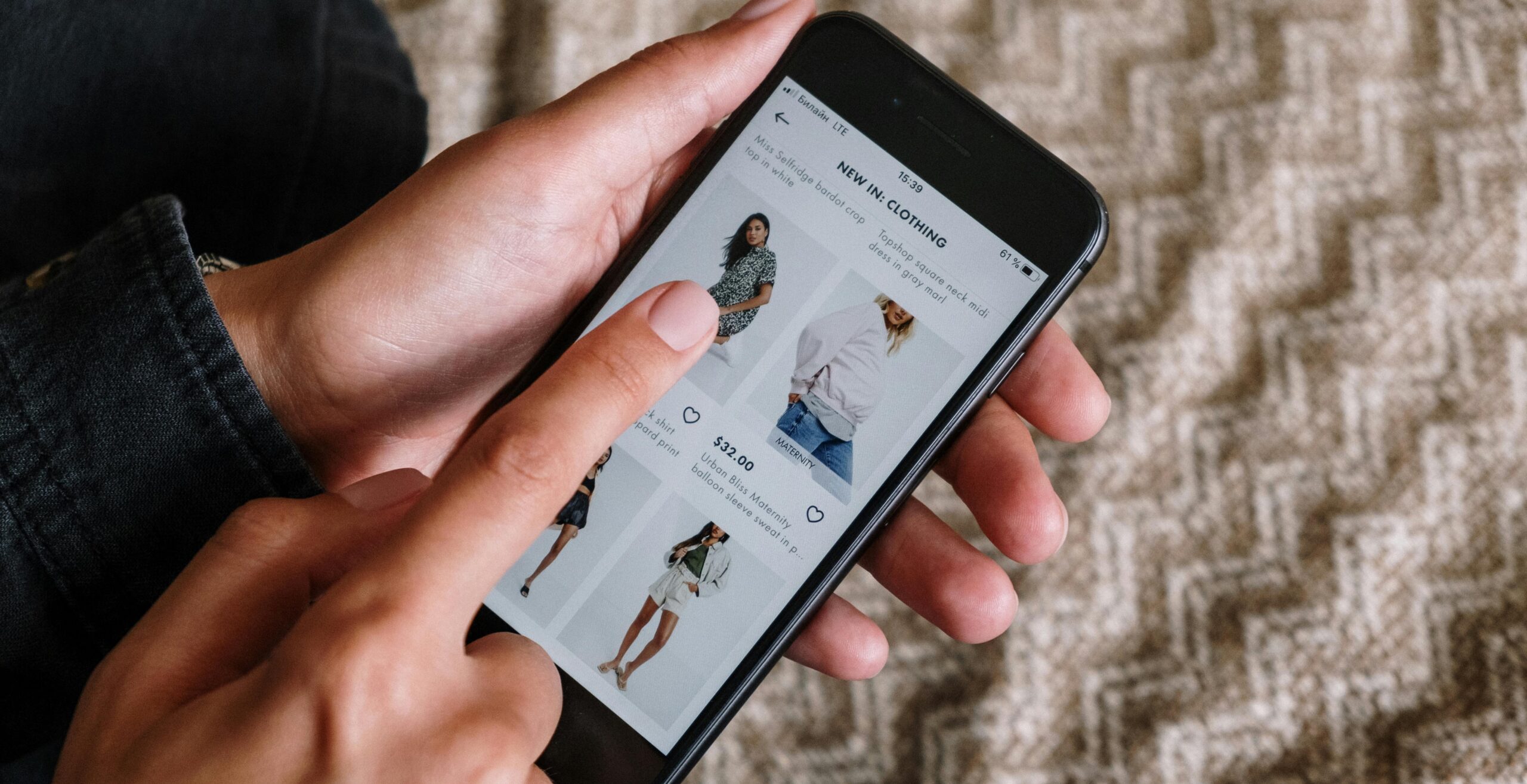
The emergence of social media platforms like YouTube and Instagram over a decade ago transformed the landscape for discovering and purchasing beauty and fashion products. By the 2020s, TikTok accelerated trends at an unprecedented pace. Now, artificial intelligence is revolutionizing shopping and consumption habits once again.
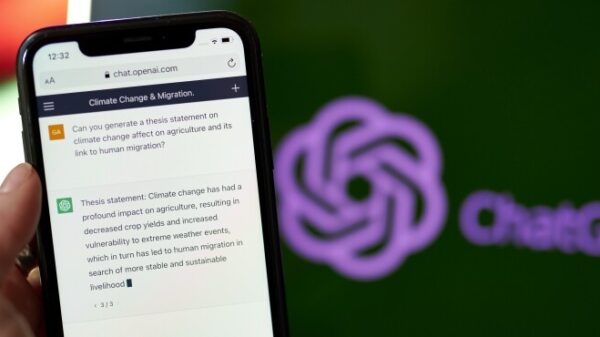
Though still in its infancy, AI-driven shopping has proven to be a divisive yet effective discovery tool. According to data from NielsenIQ, consumers perform over 1 billion beauty-related searches weekly on ChatGPT, with nearly 49% of Gen Z and 37% of millennials using generative AI for search or shopping on a weekly basis. “The discovery pattern is what changed the most [with AI],” said Irina Mazur, chief commercial and marketing officer at AI beauty platform Revieve. “More consumers are starting their journey with platforms like ChatGPT or Gemini.”
With the proliferation of AI across platforms like Amazon, Google, and OpenAI, the path from product discovery to purchase is becoming increasingly frictionless. Yet, this raises questions about personal style in an age dominated by AI recommendations. “I’m in conversation with someone at least once a day over [AI],” noted Mac Rose, a stylist based between New York City and Copenhagen.
For some, AI’s hyper-personalized approach provides a convenient way to discover tailored products. However, others contend that AI lacks the human touch necessary for aesthetic judgment. Rose, representing clients who prioritize individuality, expressed concerns about AI’s environmental impact and its ability to replicate personal taste. “The main driving force of people rejecting [AI] is the integrity that they want within their style,” she stated. “Getting dressed is a creative hobby, and AI styling can’t fulfill that artistic expression.”
Despite the skepticism, many consumers and investors recognize the potential of AI-based shopping. Alta, an AI-powered fashion styling platform founded in 2023, secured over $11 million in seed funding in 2025, led by Menlo Ventures and Aglaé Ventures, with notable backers including LVMH and stylist Meredith Koop, known for dressing Michelle Obama.
Google’s Gemini AI platform has introduced new shopping features throughout 2025, such as price comparisons and virtual try-ons. In October, Amazon revealed its AI-powered “Help Me Decide” feature that recommends similar products based on users’ shopping histories. This shift toward AI is prompting brands to rethink their consumer engagement strategies, ensuring visibility not just through influencers but also in chat results. NielsenIQ reports that 75% of beauty discovery now occurs outside brand-controlled environments.
“My end state outcome of this is that we’re going to pretty soon have two parallel internets,” said Nikita Walia, strategy director at brand and venture studio Unnamed. He explained that one internet comprises traditionally marketed brands, while the other is fueled by rich data and AI-generated content. This evolution suggests a shift from broad marketing strategies aimed at large audiences to a focus on deep personalization as users grow more comfortable with their AI platforms.
“I trust ChatGPT and its recommendations because I’ve been using it. It knows so much about me,” said Alexa Lombardo, strategic partnerships and community engagement lead at Unnamed. “The more you use it, the more it understands your psychographics.” Consumers are increasingly seeking insights not just from high-profile influencers but also from smaller creators, as the influence landscape diversifies. Lombardo noted that even ‘pico’ creators—those with fewer than 1,000 followers—can now wield significant influence.
Rose, however, expressed doubts about AI’s ability to guide consumers toward smaller businesses, suggesting that AI tends to direct users towards larger, more commercial entities. “[AI] can only point you in the direction of something simple enough to be able to point thousands of people in the same direction. And that direction isn’t going to be towards small businesses,” she said.
Interestingly, the rise of AI-powered shopping has not diminished the appeal of secondhand fashion. Data from Placer indicates a 12.2% increase in foot traffic at thrift stores over Black Friday, particularly among Gen Z consumers seeking unique style options in a market saturated with mass-produced goods. Even as AI-generated recommendations proliferate, the initiation of cultural trends is likely to remain a distinctly human endeavor.
“As brand people and marketers, we target the kind of customer that sets the trend,” Walia concluded. “Not to sound like Miranda Priestly [talking about the] cerulean sweater, but there’s that halo from these first cultural and aesthetic movers.”
See also AI-Powered Fraud Detection Tools for 2026: Top 6 Solutions to Combat Document Forgery
 Enterprises Adopt Agentic AI: 40% Surge in Applications Expected by 2026
 NVIDIA Enhances AI PC Tools with 3x Faster ComfyUI and New LTX-2 Audio-Video Model at CES 2026
 CryptoMarketForecast Launches AI Tool for Crypto Insights in Weather-Style Format
 Nvidia Launches Rubin Platform to Cut AI Training Costs and Boost Inference Efficiency